
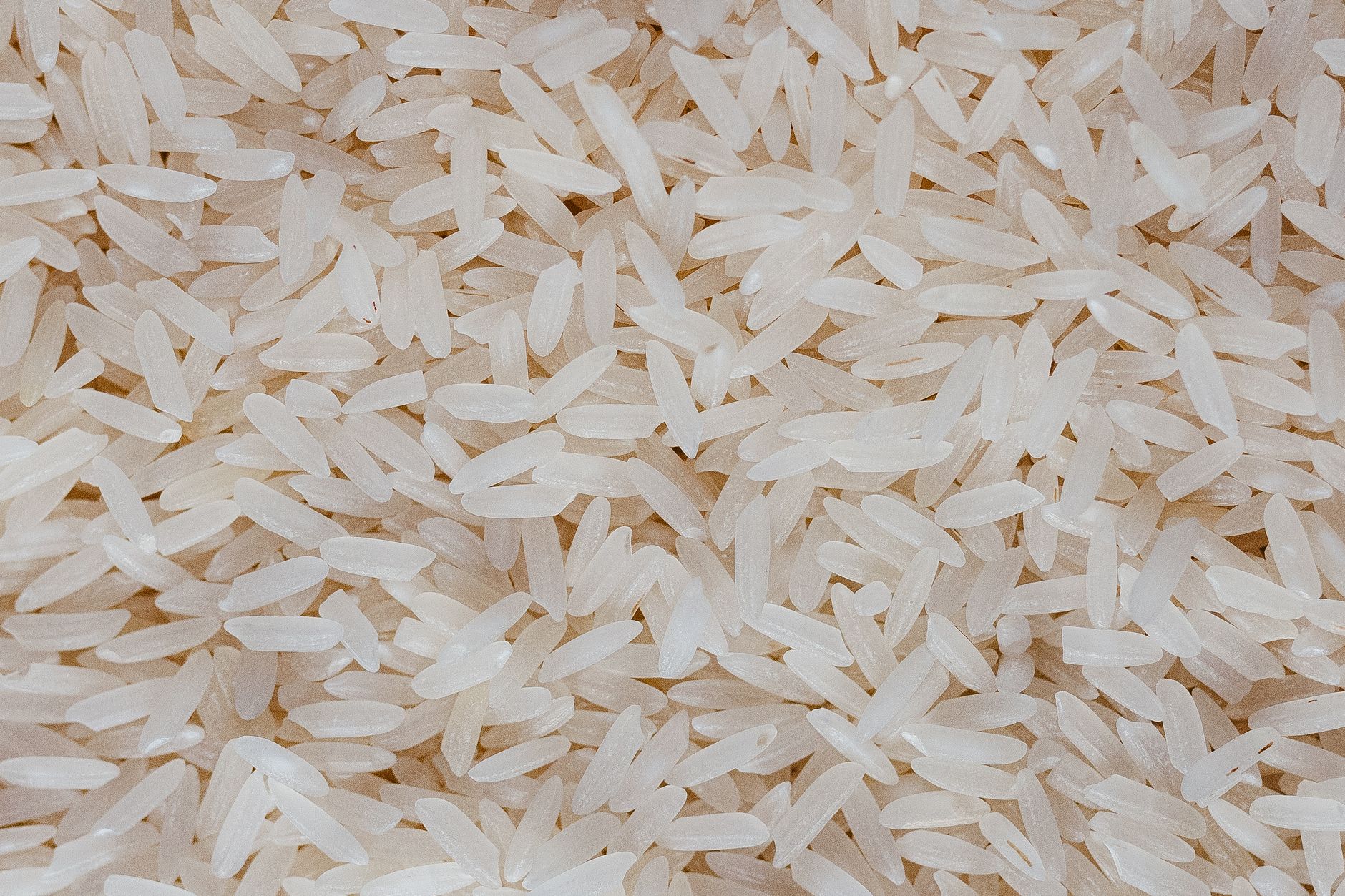
Rice is a staple food for over half of the world’s population, providing vital nutrition and diverse culinary options. Understanding how much rice costs can help you plan meals and budget effectively. This article will delve into the prices of rice, portion sizes, menu options, and much more.
Whether you’re a low-budget cook, a meal prep enthusiast, or just love rice dishes, knowing the financial aspect can make a considerable difference in your cooking endeavors. Let’s dive into the world of rice pricing, types, and culinary uses!
How Much Does Rice Cost?
The cost of rice can vary significantly based on the type, quality, and where you purchase it. On average, rice prices in the United States can range from $0.50 to $3.00 per pound. Less common varieties, such as organic or specialty rice, can even reach higher price points. Understanding these variables helps you make informed purchasing decisions.
Factors Influencing Rice Prices
Several factors influence the price of rice, impacting both household budgets and food industry costs. Here are some key factors to consider:
- Type of Rice: Different types of rice, such as white, brown, jasmine, basmati, and sushi rice, come with varying prices. Specialty varieties usually cost more due to their unique growing procedures or flavors.
- Location: Prices can differ significantly depending on geographic region and purchasing sources such as supermarkets, local markets, or bulk stores.
- Organic vs. Conventional: Organic rice is often priced higher due to the farming practices involved, such as avoiding synthetic pesticides and fertilizers.
- Quantity Purchased: Buying rice in bulk can lead to cost savings compared to purchasing it in smaller packages.
Understanding Rice Types and Price Ranges
To make the most informed choices regarding rice purchases, it is essential to understand the different types of rice and their associated prices.
Common Rice Varieties
- White Rice: Typically the most affordable, white rice can cost between $0.50 to $1.50 per pound. This type is polished, removing bran and germ layers, but provides fewer nutrients than whole grain alternatives.
- Brown Rice: Slightly more expensive, brown rice generally ranges from $1.00 to $3.00 per pound. It retains its bran and germ, offering more fiber and nutrients.
- Jasmine Rice: Known for its aromatic flavor, jasmine rice can cost around $1.50 to $3.00 per pound. It is commonly used in Southeast Asian cuisine.
- Basmati Rice: This long-grain rice is sought after for its distinct aroma and fluffy texture, priced between $2.00 to $4.00 per pound depending on the origin.
- Sushi Rice: Short-grain sushi rice typically costs $2.00 to $5.00 per pound, prized for its stickiness, essential in sushi dishes.
Organic Rice Options
Organic rice is becoming increasingly popular among health-conscious consumers. Organic brown or white rice can range from $2.00 to $5.00 per pound. Bulk purchases often provide price reductions, making them more accessible for regular consumers of organic products.
Portion Sizes and Serving Recommendations
Understanding proper portion sizes for rice enhances meal planning efficiency and budgeting. Here’s a breakdown of recommended serving sizes:
- Uncooked Rice: A typical serving is about 1/4 cup (45g) per person, which yields about 3/4 cup to 1 cup of cooked rice.
- Cooked Rice: Generally, one cup of cooked rice is a suitable serving size for an adult and can be adjusted for personal preferences or dietary needs.
Cooking Techniques and Cost-Effective Meals
Cooking rice doesn’t have to be complicated, and utilizing basic techniques can help you save money while preparing delicious meals.
Basic Cooking Methods
Here are some of the most common cooking methods for making rice:
- Stovetop Method:
- Rinse rice under cold water until the water runs clear to remove excess starch.
- Use a ratio of 1 part rice to 2 parts water.
- Bring water to a boil, reduce heat, cover, and simmer until all water is absorbed (approximately 15-20 minutes for white rice and 40-45 minutes for brown rice).
- Rice Cooker Method:
- Add rinsed rice and water in the rice cooker according to the manufacturer’s instructions (usually 1 part rice to 1.5-2 parts water).
- Turn it on and let it cook until done. Rice cookers usually have automatic shut-off features.
- Instant Pot Method:
- Combine rinsed rice and water in the Instant Pot (similar 1:1.5 ratio).
- Seal the lid and cook on high pressure for about 4-8 minutes, then allow for natural release.
Cost-Effective Meal Ideas
Rice can be utilized in countless budget-friendly meals. Here are a few creative ideas to make the most out of rice:
- Fried Rice: Use leftover rice to create a quick stir-fry with vegetables, protein, and soy sauce.
- Yellow Rice: Add turmeric and vegetable broth for colorful and flavorful rice dishes.
- Rice Salad: Combine cooked rice with vegetables, beans, and a vinaigrette for a refreshing dish.
Storage and Shelf Life of Rice
Storing rice correctly can prolong its shelf life and reduce waste, leading to better cost efficiency.
Uncooked Rice Storage
- Keep uncooked rice in a cool, dry place in an airtight container. White rice has an indefinite shelf life, while brown rice can last up to 6 months due to its oils.
Cooked Rice Storage
- Store cooked rice in the refrigerator in an airtight container for up to 4-6 days. To reheat, add a few drops of water and microwave until warm.
Buying Rice Wisely
To maximize value and minimize food costs, consider these tips when purchasing rice:
- Check for sales and bulk buying opportunities.
- Compare prices per pound or ounce to identify the best deals.
- Consider store brands as they often offer similar quality at lower prices.
Conclusion
Rice continues to be a versatile and budget-friendly ingredient in many cuisines around the world. Understanding the costs involved, portion sizes, types, and storage methods will help you make informed decisions to fit your budget and cooking style. Don’t forget to explore meal planning and storage tips to get the most out of your rice purchase.
For further resources, check out these related articles: learn how many cups of water for 1 cup of rice and discover more about whether rice is fattening.