
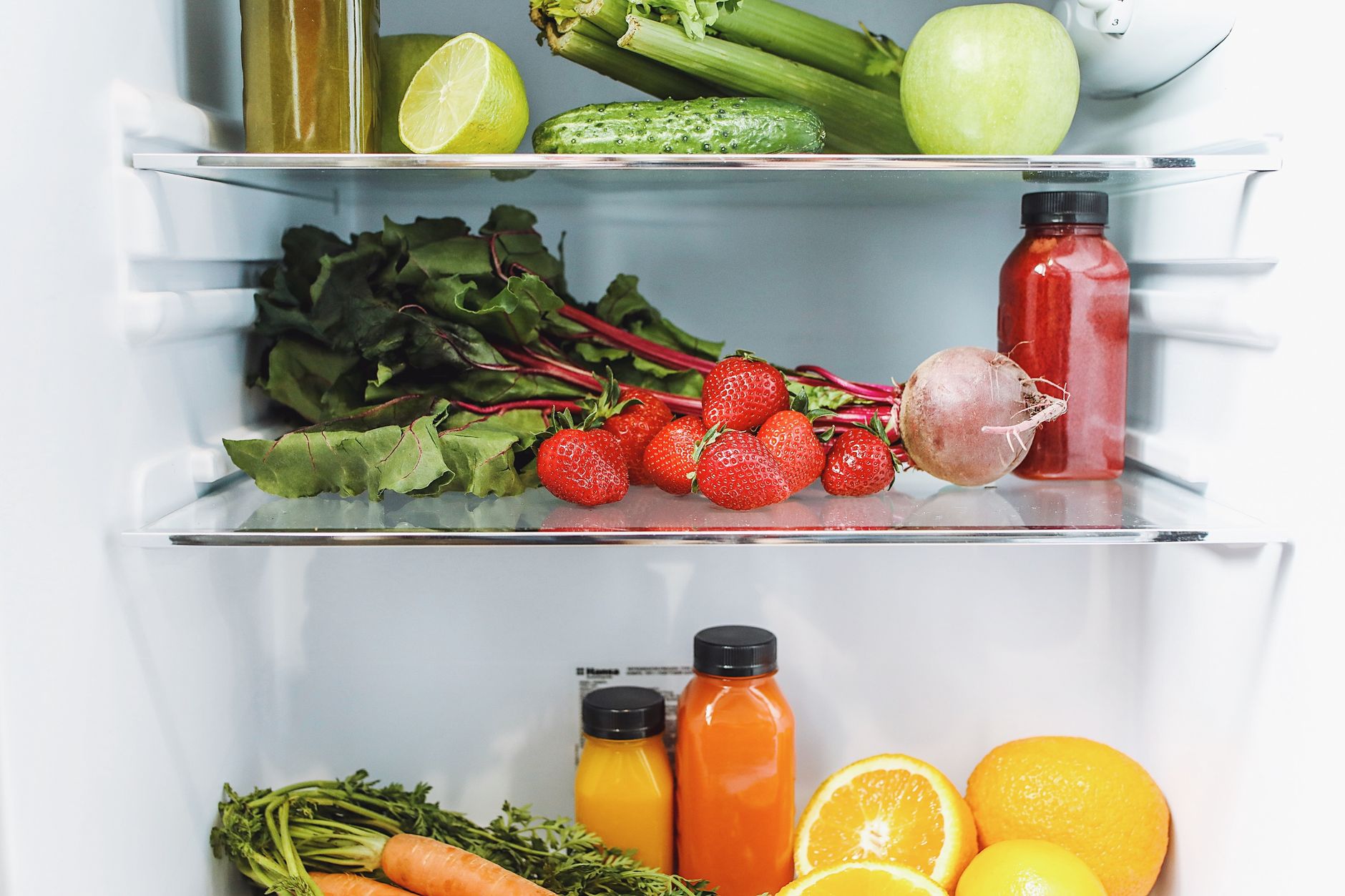
Oranges are a nutritious and versatile fruit, often enjoyed fresh or as juice. Understanding how to store them properly can significantly impact their freshness and longevity. In this article, we will explore how long oranges last in the fridge, along with tips on storage, preparation, and more.
Whether you have a bag of oranges you bought on sale or you’re looking to stock up for the week, knowing how to extend their shelf life can help you reduce waste and enjoy their juicy flavor longer. Let’s delve into the details of orange storage.
How Long Do Oranges Last in the Fridge?
Oranges can last about one to two weeks in the fridge when stored properly. The shelf life can vary based on their ripeness at purchase, how you store them, and the type of oranges. With the right methods, you can ensure they maintain their flavor and texture for as long as possible.
Factors Affecting Shelf Life of Oranges
Several factors influence how long oranges will last in your refrigerator:
- Ripeness: Oranges that are fully ripe will have a shorter shelf life than those that are slightly under ripe.
- Storage Conditions: Storing oranges in the crisper drawer of your fridge maintains better humidity levels, prolonging their freshness.
- Type of Orange: Some varieties, such as navel oranges, generally have a longer shelf life than others.
Best Storage Practices for Oranges
To maximize the shelf life of your oranges, follow these storage tips:
Storing Whole Oranges
- Refrigerate: Place whole oranges in the fruit crisper drawer of your refrigerator for optimal freshness.
- Avoid Moisture: Keep them dry, as moisture can lead to mold growth. Do not wash oranges until you are ready to eat them.
- Use a Breathable Bag: Store oranges in a mesh bag or perforated plastic bag to allow airflow, preventing premature spoilage.
Storing Cut Oranges
- Wrap Tightly: Cut oranges should be wrapped tightly in plastic wrap or placed in an airtight container to minimize exposure to air.
- Refrigerate Promptly: Place cut oranges in the fridge immediately after cutting to prevent them from drying out and losing flavor.
Signs of Spoiled Oranges
Knowing when your oranges have gone bad is essential to avoid eating spoiled fruit. Look out for the following signs:
- Mold: Any signs of mold or unusual spots on the skin indicate spoilage.
- Soft Spots: If the orange feels overly soft or mushy, it is likely past its prime.
- Unusual Smell: A sour or off smell is a clear indicator that the orange is no longer good to eat.
How to Use Oranges with Longer Shelf Life
If you’re nearing the end of your oranges’ shelf life and want to prevent waste, here are some creative ideas to use them:
Fresh Juices and Smoothies
Oranges add a refreshing citrus flavor to juices and smoothies. Blend them with other fruits like bananas or berries to create a nutritious drink.
Cooking and Baking
Incorporating oranges into savory dishes or desserts can enhance flavors. Use the zest in marinades or sauces and the fruit itself in salads or baked goods like muffins.
Freezing Oranges
If you need to store oranges for an extended period, freezing is a viable option:
- Peel and Segment: Remove the peel and segment the oranges into bite-sized pieces.
- Flash Freeze: Place the segments on a baking sheet and freeze until solid, then transfer to an airtight container or freezer bag.
- Label & Date: Always label containers with dates to keep track of freshness.
Frozen oranges can be used in smoothies, desserts, or as icy snacks for children.
Common Mistakes When Storing Oranges
A few common mistakes can compromise the shelf life of oranges:
- Storing in a Closed Container: Placing oranges in a sealed container can create excess moisture and lead to spoilage.
- Washing Before Storing: Washing oranges before storing can promote mold growth as moisture accumulates.
- Ignoring Temperature Variations: Frequently opening the fridge can cause temperature fluctuations that may negatively affect stored fruit.
Comparison of Orange Varieties: Storage and Shelf Life
Not all oranges are created equal when it comes to longevity. Here’s a look at different varieties and their characteristics:
| Variety | Flavor Profile | Storage Length in Fridge |
|---|---|---|
| Navel Oranges | Sweet, juicy, seedless | 1-2 weeks |
| Valencia Oranges | Sweet with a hint of tartness | 1-2 weeks |
| Blood Oranges | Sweet with berry-like notes | 1-2 weeks |
| Clementines | Sweet, easy to peel | 1 week |
Common Questions About Oranges
Can you store oranges at room temperature?
Yes, oranges can be stored at room temperature for a few days, especially if they are not completely ripe. However, for prolonged freshness, it’s better to refrigerate them.
Do oranges ripen after being picked?
Unlike some fruits, oranges do not continue to ripen significantly after being picked. It’s best to choose oranges that are firm and heavy for their size for the best flavor.
Can I eat an orange that has some soft spots?
If the orange has just a few soft spots, you may still be able to salvage it. Cut away the affected areas to see if the rest of the fruit is still good. If there is excessive softness or off smells, discard it.
Final Thoughts on Storing Oranges
Storing oranges properly can extend their shelf life while maintaining their delicious flavor. Remember to keep them dry, store them in the fridge, and consume them before signs of spoilage appear. With these simple guidelines, you can enjoy fresh oranges for meals, snacks, and beverages.
Explore related recipes, cooking tips, and food guides, such as how long cooked ground beef is good in the fridge or learn how long blueberries last. Dive into deliciousness with knowledge on food preservation and preparation!