
Onions are a staple ingredient found in kitchens around the world. They add flavor, aroma, and nutrition to countless dishes, making them essential for many home cooks and chefs alike. However, knowing how to properly store onions is crucial to minimize waste and preserve their quality. You may wonder, how long do onions last on the counter?
The shelf life of onions on the counter can vary depending on several factors. Factors include the type of onion, whether they are whole or cut, and the surrounding conditions. In this guide, we will explore how to store onions correctly, how long they last, and tips for keeping them fresh.
How Long Do Onions Last on the Counter?
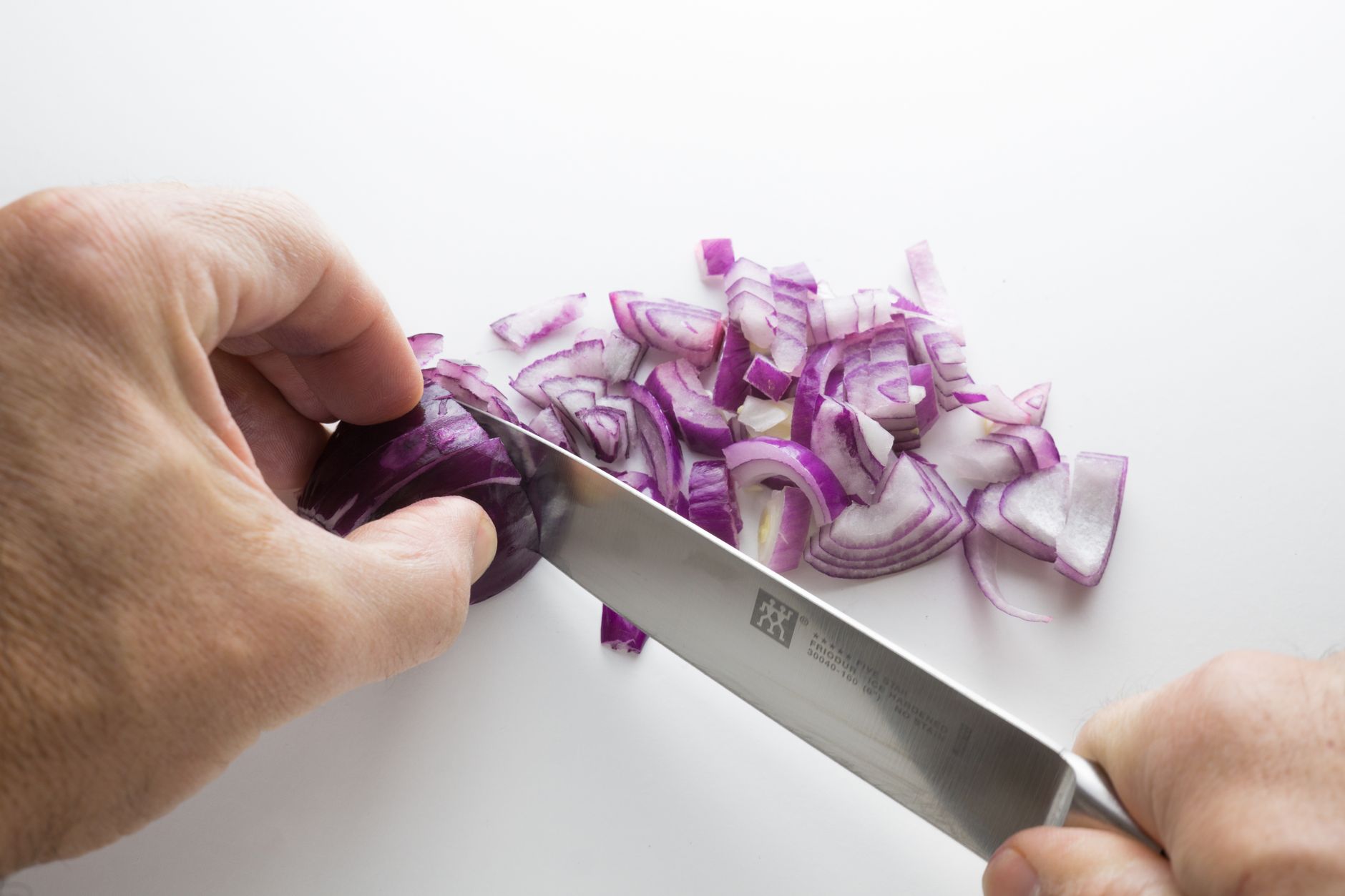
Whole, unpeeled onions can typically last between 1 to 2 months when stored in a cool, dry place, away from direct sunlight. However, once you cut an onion, its shelf life significantly decreases. Cut onions should be kept in the refrigerator and consumed within 7 to 10 days for optimal freshness and safety.
Understanding Onion Varieties
Before diving deeper into storage techniques, it’s important to know there are several onion varieties, each with unique shelf lives:
- Yellow Onions: These are the most common type. They typically last 1 to 3 months on the counter.
- Red Onions: Known for their color, red onions last about 1 to 2 months when stored correctly.
- White Onions: Slightly more perishable than yellow onions, they generally last around 1 month.
- Sweet Onions: Varieties like Vidalia are sweeter and more delicate, lasting approximately 2 to 3 weeks on the counter.
- Green Onions: Also known as scallions, they are best used fresh and typically last about 1 week.
Proper Storage Techniques
To maximize the shelf life of your onions, consider the following storage techniques:
1. Choose the Right Location
Store onions in a cool, dark, and well-ventilated area. Ideal places include a pantry or a cupboard away from heat sources like stoves or ovens. Avoid direct sunlight, as it can lead to sprouting and spoilage.
2. Keep Them Dry
Moisture can cause onions to rot. Make sure they are dry before storing and avoid rinsing them unless you plan to use them immediately. If they get wet, dry them off thoroughly with a clean cloth.
3. Use Ventilated Storage Bins
Onions need air circulation to stay fresh. Store them in mesh bags or baskets that allow airflow. Avoid plastic bags, as they trap moisture and promote decay.
4. Separate From Other Produce
Onions emit gases that can affect other fruits and vegetables, causing them to spoil faster. Store onions away from potatoes, apples, and bananas to avoid cross-contamination.
Indicators of Spoilage
It’s crucial to recognize the signs of spoilage in onions:
- Soft Spots: If the onion feels mushy or has soft areas, it is no longer fresh.
- Sprouting: While sprouted onions are not spoiled, they may have an altered taste and texture. It’s usually best to discard them.
- Mold: Visible mold growth is a clear indicator that the onion should be thrown away.
- Bad Smell: If the onion has an off or sour smell, it is likely spoiled.
Handling Cut Onions
Once an onion is cut, it becomes more prone to spoilage. Here’s how to handle them:
1. Store in an Airtight Container
Place cut onions in a sealed container to prevent strong odors from spreading in the refrigerator. They can also absorb smells from other foods.
2. Label and Date
If you’re storing cut onions, label the container with the date you cut them. This will help you keep track and ensure they’re used within the safe timeframe of 7 to 10 days.
3. Consider Freezing
If you find yourself unable to use cut onions in time, consider freezing them. Chop or slice onions, spread them in a single layer on a baking sheet, freeze until solid, then transfer to a freezer bag. Frozen onions can last for up to 6 months.
Common Mistakes to Avoid
Here are some common mistakes that can shorten the lifespan of your onions:
- Storing in Plastic Bags: This traps moisture and promotes decay.
- Refrigerating Whole Onions: Whole onions should not be stored in the fridge as it can lead to spoilage.
- Storing Near Garlic: Garlic emits moisture and gases that can hasten spoilage.
How to Use Leftover Onions
If you have leftover onions, don’t waste them! Use them in various dishes:
- Soups and Stews: Add them to enhance the flavor base.
- Salads: Use raw onions for a crunchy texture.
- Fried Rice: Incorporate diced onions for added flavor.
- Stir-fries: Sauté with other vegetables for quick meals.
Frequently Asked Questions
Can I store onions and potatoes together?
No, it’s best to keep them separate as they can affect each other’s freshness.
What is the best way to store green onions?
Green onions can be stored upright in a glass of water, covered loosely with a plastic bag, in the refrigerator. They can also be wrapped in a damp paper towel and placed in an airtight container.
How can I prevent my onions from sprouting?
Store onions in a dry, dark, and cool place, ensuring proper ventilation. Keep them away from other fruits and vegetables that produce ethylene gas.
Creative Onion Recipes
Onions can be prepared in various delicious ways. If you’re looking to make the most of your onions, try the following recipes:
- Onion Jam: A sweet and savory spread that elevates any dish.
- Tennessee Onions: A unique preparation that celebrates the onion’s natural sweetness.
Conclusion
Understanding how to store onions correctly can prolong their freshness and reduce waste. Whole onions can last for 1 to 2 months on the counter, while cut onions should be refrigerated and used within a week or so. By following the storage tips outlined here and recognizing the signs of spoilage, you can enjoy onions as an essential ingredient in your culinary creations for longer.
Explore related recipes and tips to manage your kitchen more effectively. Check out onion jam and Tennessee onions for delicious preparation ideas!