
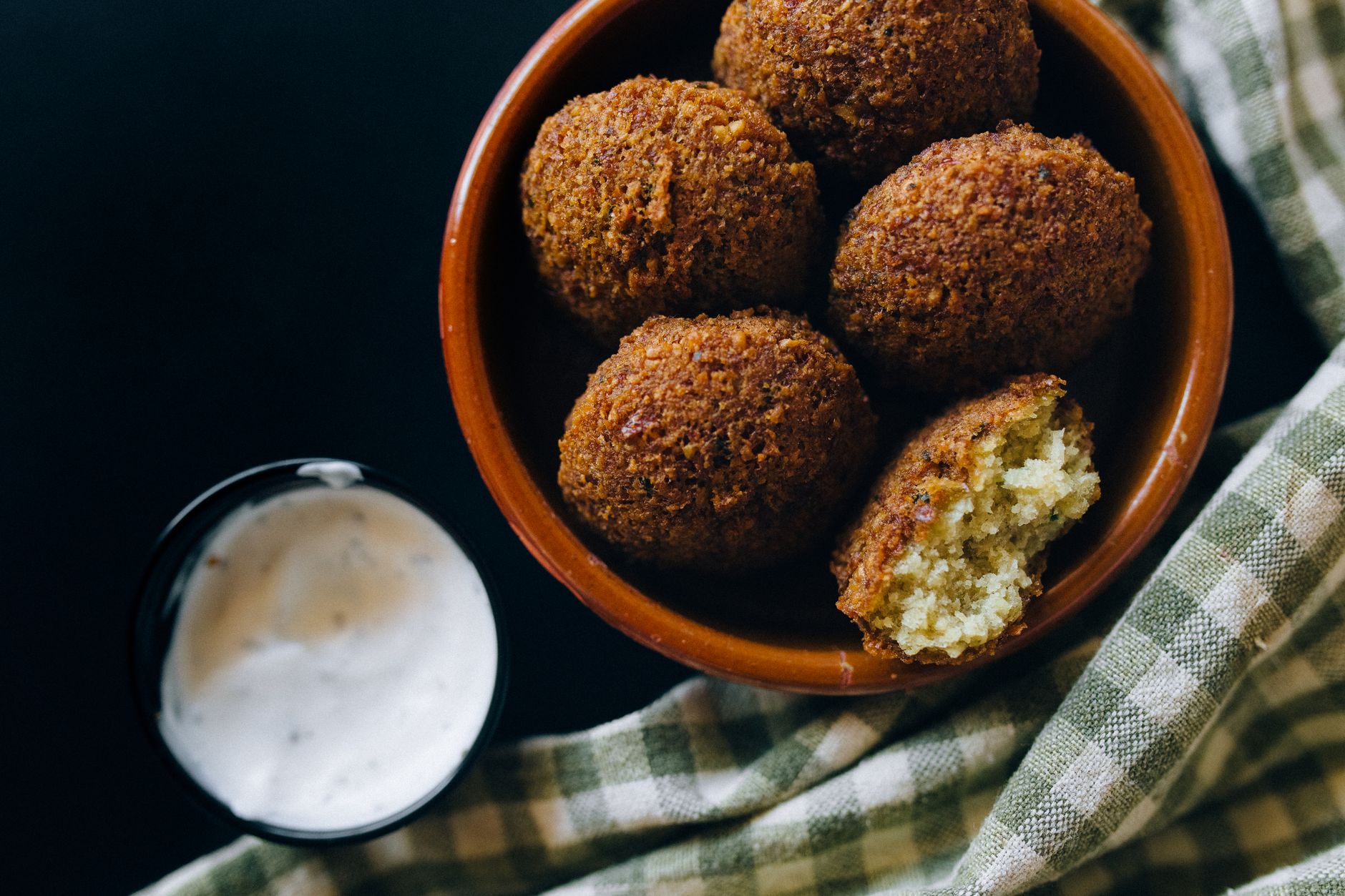
Falafel is a popular Middle Eastern dish made primarily from ground chickpeas or fava beans, blended with herbs and spices, then shaped into balls or patties and typically deep-fried. It is not only flavorful but also serves as a staple for vegetarians and vegans looking for protein-rich meal options.
This article explores the intricacies of falafel, including its types, flavors, cooking methods, and uses in various culinary settings. Understanding these elements can help anyone incorporate falafel into their meals seamlessly.
What Kind of Food Is Falafel?
Falafel is a vegetarian and often vegan deep-fried food made predominantly from legumes, specifically chickpeas or fava beans, mixed with various herbs and spices. It is commonly served in pita bread with vegetables and sauces, making it a flavorful street food across many cultures.
Types of Falafel
There are a few variations of falafel based on the main ingredient and regional preferences. The two most common types include:
Chickpea Falafel
This is the most prevalent type of falafel, especially popular in countries like Israel, Lebanon, and Egypt. Made primarily from ground chickpeas, it has a nutty flavor and a slightly grainy texture after frying. This type of falafel often features spices like cumin, coriander, and garlic.
Fava Bean Falafel
Fava bean falafel, also known as Ta’ameya, originates from Egypt. It is made using dried fava beans, resulting in a lighter and more delicate texture. The flavor is distinct, often enhanced with the addition of fresh herbs such as parsley and dill.
Flavor Profile of Falafel
Falafel presents a rich flavor profile thanks to its variety of components. The main ingredients, chickpeas or fava beans, provide a mild and slightly nutty flavor, which is enhanced by spices and herbs.
- Cumin: Adds an earthy and warm tone.
- Coriander: Offers a citrusy and slightly sweet taste.
- Garlic: Provides a robust flavor that balances the dish.
- Parsley and Cilantro: Contribute a fresh and vibrant note.
- Chili Powder: Adds heat and complexity based on personal preferences.
Overall, falafel offers a savory experience with herbaceous undertones and a satisfying crunch when fried properly.
Cooking Techniques for Making Falafel
Falafel can be prepared using different cooking methods, with frying being the most traditional. Here are various methods you can employ to make falafel:
Deep-Frying
This is the most common technique for preparing falafel, resulting in a crispy outer layer and a tender interior. To deep-fry falafel:
- Heat vegetable oil in a deep frying pan or pot to around 350°F (175°C).
- Shape the falafel mixture into balls or patties using your hands or a scoop.
- Fry the falafel in batches, ensuring not to overcrowd the pan. Cook each batch for about 3-4 minutes until golden brown.
- Use a slotted spoon to remove the falafel and place them on paper towels to drain excess oil.
Baking
Baking falafel is a healthier alternative to deep-frying, allowing those who want to reduce oil intake to enjoy the dish without sacrificing flavor. Here’s how to bake falafel:
- Preheat your oven to 375°F (190°C).
- Shape the falafel mixture into balls and place them on a baking sheet lined with parchment paper.
- Lightly brush or spray the falafel with olive oil.
- Bake for approximately 20-25 minutes, flipping halfway through, until golden and firm.
Air Frying
A modern method of cooking, air frying utilizes hot air to create a crispy exterior without the need for significant oil. To air fry falafel:
- Preheat the air fryer to 375°F (190°C).
- Shape the falafel and place them in a single layer in the air fryer basket.
- Lightly coat the falafel with oil.
- Cook for about 15-20 minutes, shaking the basket halfway through for even cooking.
Essential Equipment for Making Falafel
Having the right equipment can simplify the falafel-making process. Here’s a list of essentials:
- Food processor: Essential for grinding the chickpeas or fava beans and mixing the ingredients.
- Mixing bowl: For blending the falafel mixture.
- Deep frying pot or Dutch oven: For traditional frying methods.
- Baking sheet: For baking or setting the falafel before cooking.
- Air fryer: For a healthier cooking option, if preferred.
- Slotted spoon or spider: Useful for removing falafel from oil when frying.
- Parchment paper: Prevents sticking and facilitates easy cleanup.
Practical Tips for Making Falafel
Here are some practical tips to ensure your falafel turns out remarkably:
- Drain and Dry: If using canned chickpeas, make sure to drain and thoroughly dry them. Too much moisture can lead to soggy falafel.
- Let it Rest: Allow the mixture to rest for at least 30 minutes before shaping. This helps in binding and enhances flavor.
- Use Fresh Herbs: Fresh herbs can significantly elevate the taste of falafel. Don’t skip them.
- Adjust Spices: Tailor the spice levels to your preference. Falafel can adapt well to different spice profiles, so feel free to experiment.
Common Mistakes to Avoid
While making falafel can be straightforward, several common mistakes can lead to less than ideal results:
- Too Wet: If the mixture is too wet, the falafel will fall apart during cooking. Always ensure the legumes are dry and the mixture is coarse but well combined.
- Overmixing: Over-mixing in a food processor can turn the mixture into a paste instead of maintaining a coarse texture. Pulse gently.
- Inadequate Heating: Not preheating the oil sufficiently can lead to oil-soaked falafel. Ensure the oil is hot before frying.
Serving Suggestions for Falafel
Falafel is versatile and can be enjoyed in various styles. Here are some popular serving suggestions:
- In Pita Bread: Stuff falafel in warm pita bread with fresh vegetables, such as lettuce, tomatoes, and cucumbers, along with tahini or garlic sauce.
- Salads: Serve falafel over a bed of salad greens with chickpeas, tomatoes, and a lemony dressing for a healthy meal.
- Bowl Style: Create a falafel bowl with grains like quinoa or rice, topped with various vegetables, sauces, and garnishes.
- With Dips: Pair falafel with dips like hummus, tzatziki, or a spicy harissa sauce for a flavorful snack or appetizer.
Making Ahead and Storage
Falafel can be made ahead of time, offering convenience for meal prep. Here’s how to store and reheat it:
- Refrigeration: Cooked falafel can be stored in an airtight container in the refrigerator for up to 3 days.
- Freezing: For longer storage, uncooked or cooked falafel can be frozen. To freeze, place the patties on a baking sheet until firm, then transfer them to a freezer bag.
- Reheating: To reheat, bake frozen falafel at 375°F (190°C) for about 20-25 minutes until heated through and crispy. Avoid microwaving, as this can make them soggy.
Variations and Substitutions
Falafel can easily adapt to different dietary preferences and can be customized based on ingredient availability. Consider these variations:
- Gluten-Free: Falafel is naturally gluten-free; however, ensure any flour used for binding, if needed, is gluten-free.
- Herbs: Instead of or in addition to parsley and cilantro, try using mint or dill for a different flavor profile.
- Spicy Falafel: Incorporate red pepper flakes or a dash of cayenne for a spicier kick.
- Legume Variants: Mix in other legumes such as lentils or black beans for different flavors and textures.
Final Thoughts
Whether enjoyed in a wrap, on a salad, or as a snack with dips, falafel is a delicious and nutritious food that has a place in many culinary traditions. Understanding the types, flavors, and versatile ways to prepare and serve falafel can inspire many meals, catering to assorted dietary needs and personal preferences.
For additional recipes, consider trying hummus without tahini or experiment with a fry bread recipe for a complete and satisfying meal. Enjoy your culinary adventures with falafel and its many applications!