
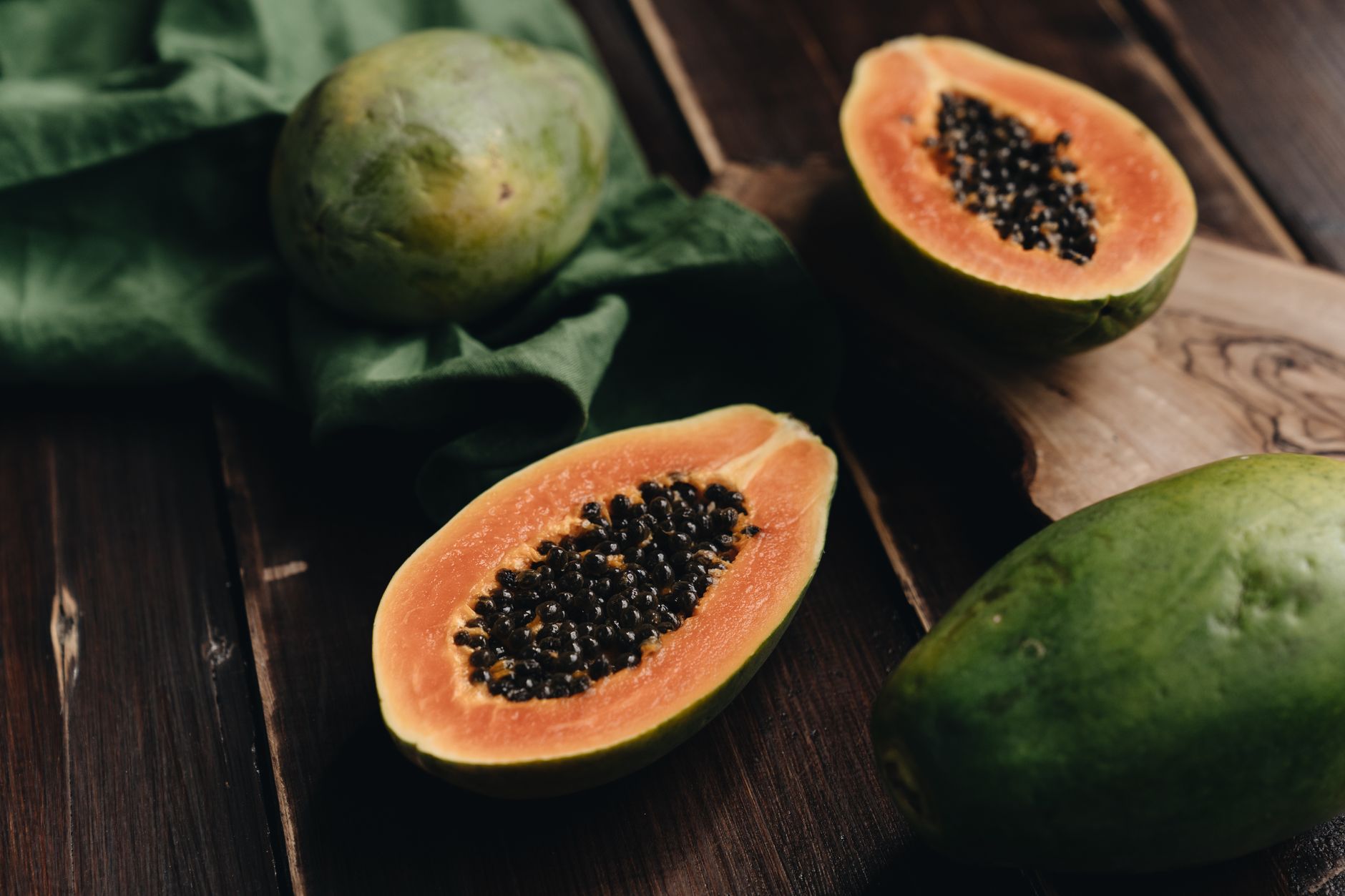
Papaya is a tropical fruit known for its sweet flavor and vibrant color. It has recently gained attention for its potential benefits for individuals with diabetes type 2 due to its low glycemic index and nutrient profile. By examining its effects, we can better understand how papaya can fit into a diabetes-friendly diet.
This article will explore the nutritional benefits of papaya, how it can be incorporated into a diabetes-conscious eating plan, practical recipes, and tips on including it in meals without causing blood sugar spikes.
Is Papaya Good for Diabetes Type 2?
Yes, papaya can be a beneficial fruit for those with diabetes type 2. It is low in calories and has a low glycemic index, which means it has a minimal impact on blood sugar levels. Additionally, papaya offers various vitamins, minerals, and antioxidants that can promote overall health.
Nutritional Profile of Papaya
Before discussing how to incorporate papaya into your diet, it’s essential to explore its nutritional content. A typical serving size of papaya is about one cup (140-150 grams), and it has the following nutritional benefits:
- Calories: Approximately 55
- Carbohydrates: 14 grams
- Fiber: 2.5 grams
- Sugars: 11 grams (natural sugars)
- Protein: 1 gram
- Fat: Less than 1 gram
- Vitamin C: 60% of the Recommended Daily Value (DV)
- Vitamin A: 31% of the DV
- Folate: 14% of the DV
- Pantothenic acid: 10% of the DV
- Potassium: 9% of the DV
Papaya is particularly high in vitamin C and vitamin A, important for immune function and eye health, respectively. Its fiber content also helps in regulating blood sugar levels, making it a suitable choice for diabetes management.
Health Benefits of Papaya for Diabetes
There are several health benefits associated with papaya, especially concerning diabetes type 2:
1. Low Glycemic Index
The glycemic index measures how quickly foods impact blood sugar levels. Foods with a low glycemic index (55 or less) are ideal for those with diabetes. Papaya has a glycemic index of around 60, which is considered borderline low, especially when consumed in moderation.
2. High in Fiber
The fiber in papaya helps slow down digestion, which can mitigate spikes in blood sugar levels. Consuming fiber-rich foods is essential for early satiety, promoting better appetite control for those managing their weight alongside diabetes.
3. Rich in Antioxidants
Antioxidants present in papaya, such as beta-carotene and lycopene, can help reduce inflammation and oxidative stress. Studies suggest that these compounds may assist in reducing the risk of chronic diseases often associated with diabetes.
4. Supports Heart Health
Individuals with diabetes have a higher risk of developing heart-related issues. The potassium content in papaya helps to lower blood pressure and regulate heart function. Moreover, the fiber can help to lower cholesterol levels, which also contributes to cardiovascular health.
How to Include Papaya in Your Diet
Now that we understand the benefits, let’s discuss practical ways to incorporate papaya into a diabetes-friendly meal plan:
Snacking on Papaya
A simple way to enjoy papaya is to eat it as a snack. Cut it into cubes, and pair it with a handful of nuts for healthy fat and protein. This combination can create a balanced snack that helps keep blood sugar levels stable.
In Salads
Papaya can be an excellent addition to salads. Consider mixing diced papaya with leafy greens, cucumbers, and a dressing made from lemon juice and olive oil. The addition of papaya adds sweetness while keeping the overall salad light.
Smoothies
A papaya smoothie can be both delicious and nutritious. Blend half a cup of papaya with unsweetened almond milk or yogurt and a handful of spinach for added nutrients. This smoothie can serve as a refreshing breakfast or snack option.
In Salsas
Papaya works well in salsas, providing sweetness that can contrast with spicy elements. Combine diced papaya with tomatoes, onions, lime juice, and cilantro for a tasty topping on grilled chicken or fish. This dish can be rich in flavor without sacrificing nutritional value.
Papaya in Cooking
Incorporating papaya into cooked dishes can also be a delightful experience. Adding it to stir-fries or curries can bring a unique flavor to your meals. Just be cautious, as cooking can reduce some of its nutritional benefits.
Recipe Ideas with Papaya
Below are some simple recipes that highlight papaya and show how versatile it can be in a diabetes-friendly diet.
Papaya Salad with Lime Dressing
This refreshing papaya salad makes a great side dish or light meal.
Servings: 4
Preparation Time: 15 minutes
Total Time: 15 minutes
Ingredients
- 2 cups diced papaya
- 2 cups mixed salad greens
- 1 cup diced cucumber
- 1/4 cup red onion, thinly sliced
- 2 tablespoons olive oil
- Juice of 1 lime
- Salt and pepper to taste
Instructions
- In a large bowl, combine the diced papaya, salad greens, cucumber, and red onion.
- In a small bowl, whisk together the olive oil, lime juice, salt, and pepper.
- Pour the dressing over the salad and toss gently to combine.
- Serve immediately, garnished with additional lime wedges if desired.
Papaya and Spinach Smoothie
A nutritious smoothie to kick-start your day.
Servings: 2
Preparation Time: 5 minutes
Total Time: 5 minutes
Ingredients
- 1 cup diced papaya
- 1 cup fresh spinach
- 1/2 cup unsweetened almond milk
- 1/2 banana (optional for sweetness)
- 1 tablespoon chia seeds
Instructions
- In a blender, combine the diced papaya, fresh spinach, almond milk, and banana.
- Add the chia seeds and blend until smooth.
- Pour into glasses and enjoy immediately.
Practical Tips for Eating Papaya with Diabetes
When incorporating papaya into your diet, consider the following practical tips:
- Portion Control: Even healthy fruits can affect blood sugar levels if consumed in large quantities. Stick to recommended serving sizes.
- Combine with Protein and Fat: Pairing papaya with protein and healthy fats can help reduce its glycemic impact.
- Monitor Blood Sugar: Keep track of how your body reacts to foods like papaya, particularly if consuming it in new recipes.
- Choose Fresh: Fresh papaya is more beneficial than canned versions that may contain added sugars.
Storage and Handling of Papaya
Proper storage of papaya can extend its shelf life and maintain its flavor:
- Room Temperature: Unripe papayas can be stored at room temperature to ripen, typically taking a few days.
- Refrigeration: Once ripe, papaya can be stored in the refrigerator for up to a week. Be sure to keep it in a breathable bag or container.
- Cut Papaya: Store cut papaya in an airtight container in the refrigerator and consume within 3-4 days for optimal freshness.
Common Questions About Papaya and Diabetes
Can I eat papaya if I have diabetes?
Yes, papaya can be eaten as part of a balanced diet for those with diabetes type 2. Its low glycemic index and nutrient-rich profile make it a great option.
How much papaya can I eat daily?
Aiming for a serving size of about half to one cup of papaya per day is generally recommended. However, individual responses may vary, so monitoring your blood sugar levels is crucial.
Is dried papaya a good option for diabetics?
While dried papaya has a longer shelf life and is portable, it often contains added sugars. Therefore, it is less advisable for diabetes management compared to fresh papaya. Always check labels for added ingredients.
Papaya offers a variety of flavors, health benefits, and culinary possibilities that can enhance a diabetes-friendly diet. Emphasizing moderation and mindful eating is essential when incorporating any new ingredient, including papaya.
Explore other nutritious recipes, cooking tips, and food guides to enhance your culinary journey. Check out our Chia Pudding Recipe for a delicious breakfast option or learn about the benefits of chia seeds for your health.