
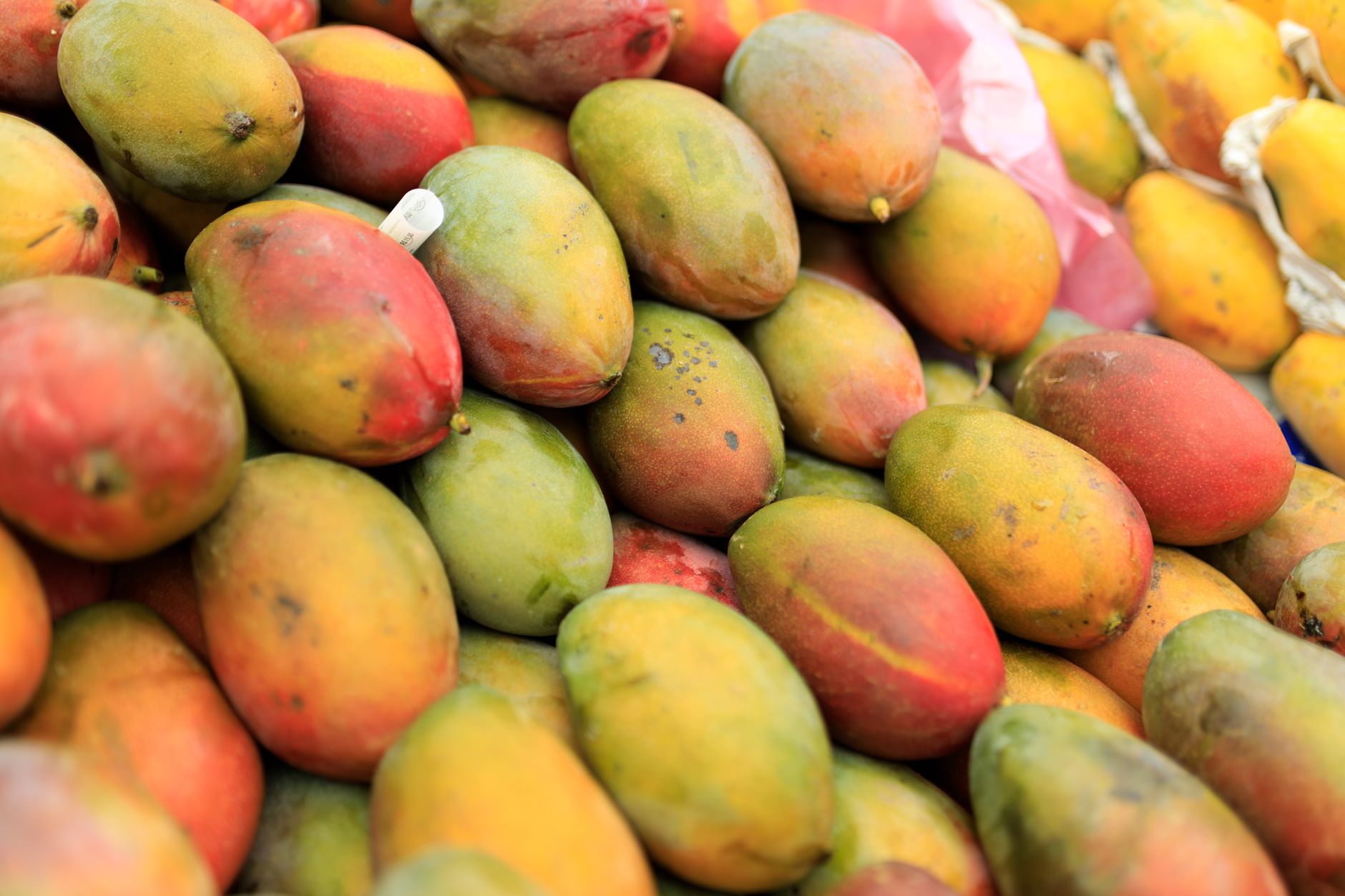
Mangoes are not only a delightful tropical fruit, but they also offer a range of health benefits in a sweet and juicy package. This article explores how many calories are in one mango, factors that affect caloric content, serving sizes, and various ways to enjoy this delicious fruit.
Understanding the calorie content of mangoes can help you incorporate them into your diet plans effectively. Whether you’re snacking, adding them to recipes, or using them in smoothies, knowing their caloric value can help you stay within your nutritional goals.
How Many Calories in One Mango?
The average medium-sized mango, approximately 200 grams, contains around 150 calories. However, this number can vary based on its size and ripeness. Smaller mangoes might clock in around 100 calories, while larger ones can exceed 200 calories. Besides calories, mangoes are rich in vitamins A, C, and dietary fiber.
Factors Affecting Caloric Content
Several factors influence the caloric value of mangoes:
- Size: The larger the mango, the more calories it typically contains. Common sizes range from small (100 grams) to large (300 grams or more).
- Ripeness: Ripe mangoes tend to be sweeter and can have slightly more calories due to higher sugar content compared to less ripe ones.
- Variety: Different varieties of mangoes may have varying sugar and calorie contents. For example, a Haden mango is generally sweeter and may have more calories than a Tommy Atkins mango.
Caloric Breakdown by Serving Size
Understanding calorie content by serving size can be particularly useful when planning meals or snacks. Here’s a quick breakdown of the average calorie content in different servings of mango:
| Serving Size | Calories |
|---|---|
| 1 Small Mango (about 100g) | 60-80 Calories |
| 1 Medium Mango (about 200g) | 150 Calories |
| 1 Large Mango (about 300g) | 200-250 Calories |
| 1 Cup of Mango Chunks (about 150g) | 100 Calories |
Nutritional Benefits of Mango
Mangoes are not just a calorie source; they are packed with nutrients beneficial for overall health:
- Rich in Vitamins: Mangoes are an excellent source of vitamin C, which is essential for immune function and skin health. One medium mango can provide about 67% of your daily vitamin C needs.
- High in Antioxidants: They contain antioxidants like beta-carotene, quercetin, and astragalin that help combat oxidative stress.
- Dietary Fiber: With around 5 grams of fiber per mango, they support digestive health and can help in weight management.
How to Include Mango in Your Diet
Incorporating mango into your meals can be both enjoyable and nutritious. Here are several ways to utilize this fruit:
Mango Smoothies
Combining mango with yogurt, spinach, and a banana creates a nutritious smoothie. Add some almond milk for creaminess and flavor. A typical mango smoothie (about 1 cup) would add approximately 150-200 calories.
Mango Salads
Chop mango and mix it with greens, avocado, and a citrus dressing for a refreshing salad. This adds minimal calories while enhancing the dish’s flavor and nutritional content.
Mango Salsa
Mango salsa, made from diced mango, tomatoes, onions, and cilantro, is a lower-calorie alternative to traditional salsa and pairs beautifully with grilled meats and fish. One serving (about 1/2 cup) carries roughly 50-70 calories.
Mango Desserts
For a sweet treat, mango can be used in desserts such as sorbets or cakes. Keep in mind that added sugar or other ingredients will influence the total calories in these recipes.
Common Mistakes When Eating Mango
While mangoes are delicious, there are some common mistakes you should be aware of to optimize your enjoyment:
- Overeating: It is easy to consume a large amount of mango quickly, especially in smoothies or desserts, which can rapidly increase calorie intake.
- Ignoring Portion Sizes: Many people might underestimate the size of a serving. Remember to measure out your mango servings to keep track of calories more accurately.
- Choosing Ripeness Incorrectly: Selecting a mango that is too ripe may lead to a higher sugar content than anticipated. Be mindful of ripeness levels based on your dietary needs.
Storage Tips for Mango
To prolong the shelf life of mangoes and maintain their delicious flavor:
- Ripening: Store unripe mangoes at room temperature. Once ripe, they can be kept in the refrigerator to slow down further ripening.
- Slicing: Cut mango should be stored in an airtight container in the refrigerator and consumed within 1-2 days for best quality.
- Freezing: If you have leftover mango or want to preserve it, diced mango can be frozen. Spread out on a baking sheet before transferring to a freezer-safe bag, which prevents clumping.
Potential Mango Substitutions
If you’re looking for alternatives to mango for your recipes due to availability, allergies, or personal preference, consider the following substitutions:
- Peach: Similar in sweetness and juiciness, peaches can substitute mango in salads or salsas.
- Pineapple: Offers a tropical flavor that works well in smoothies and desserts in place of mango.
- Apricots: With a similar texture, apricots can be used in recipes requiring diced mango, though their flavor is less sweet.
Final Thoughts
Mangoes are a nutritious, delicious fruit that can enhance your diet with their rich flavor and beneficial nutrients. With approximately 150 calories in a medium mango, they make an excellent choice for snacks, smoothies, and diverse culinary applications. Understanding their caloric content can help you include mangoes in your meal-planning effectively. So the next time you reach for this tropical delight, enjoy knowing just how tasty and healthful it is!
For more ways to incorporate mango into your meals, check out our mango bread recipe or try making your own mango habanero sauce. Happy cooking!