
Lithium is a naturally occurring mineral that is essential for human health in small amounts. While it is often associated with mental health treatment, lithium can also be obtained from certain foods. In this article, we will explore what food has lithium, its importance in the diet, and ways to incorporate these foods into your meals.
Understanding dietary lithium can help you thoughtfully include it in your nutrition plan. You’ll learn about the foods that contain lithium, their health benefits, and how to prepare and serve them. Let’s dive into the world of lithium-rich foods!
What Food Has Lithium?
Lithium can be found in various foods, although the quantities are often very small. Foods rich in lithium include:
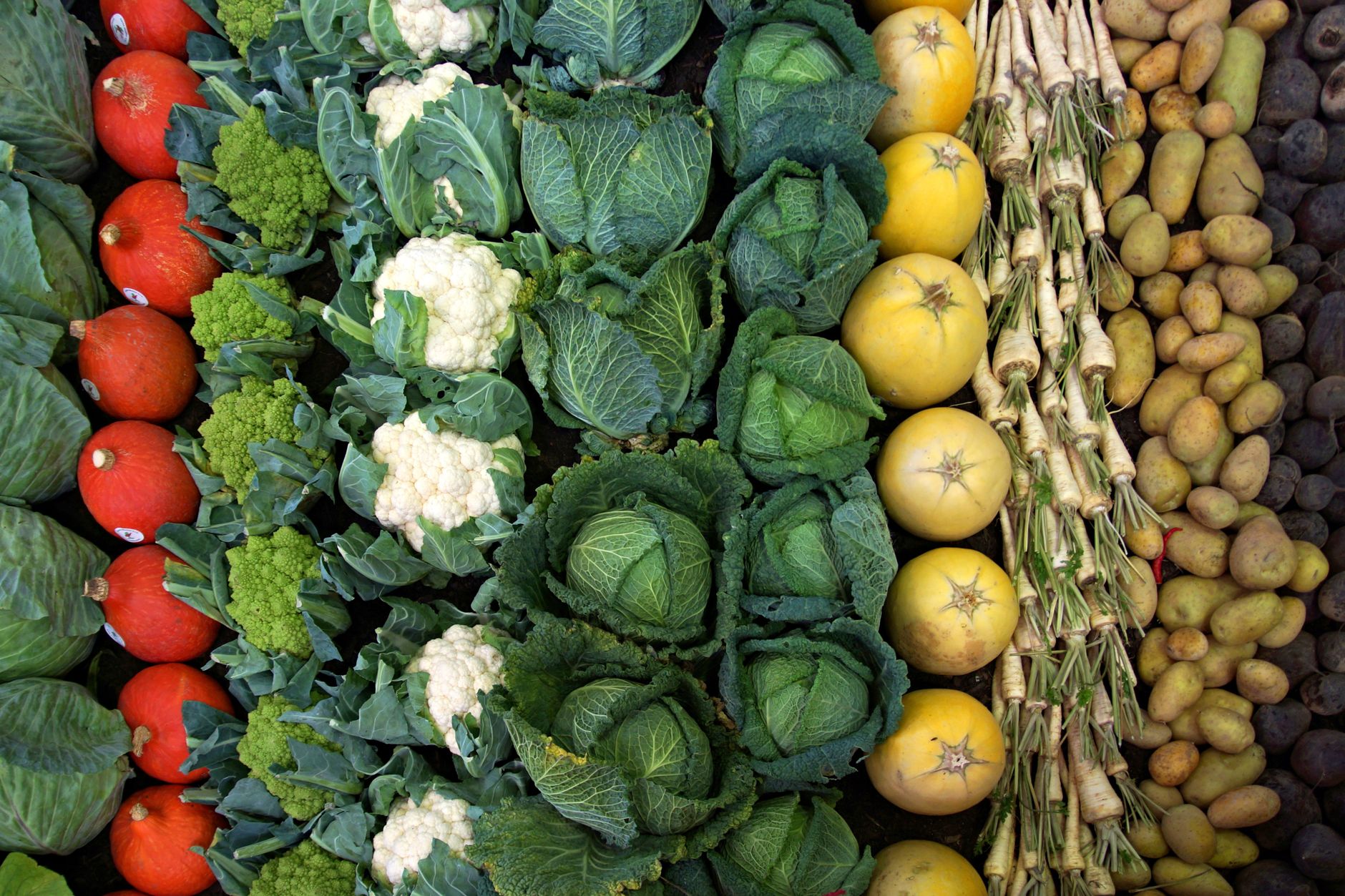
- Vegetables: Potatoes, tomatoes, and green leafy vegetables like spinach and kale.
- Legumes: Lentils, beans, and peas are good sources.
- Grains: Whole grains, including oats, brown rice, and whole wheat products.
- Nuts and Seeds: Almonds, walnuts, sunflower seeds, and flaxseeds contain lithium.
- Fruits: Some fruits like bananas, oranges, and apples are noted to have trace amounts.
- Seafood: Certain fish and shellfish can also provide lithium.
Understanding the Role of Lithium in Our Diet
Lithium is sometimes termed a “trace mineral,” meaning our bodies need it in very small amounts for optimal health. The exact mechanism by which lithium operates within the body isn’t fully understood, but it is believed to play a role in:
- Nerve Function: Lithium helps regulate the balance of neurotransmitters, which can affect mood and cognition.
- Bone Health: Some studies suggest lithium could contribute to increased bone density.
- Kidney Function: Lithium appears to have a protective effect on the kidneys.
While it is often discussed in the context of mental health, ensuring you receive adequate amounts through your diet may support overall well-being.
Incorporating Lithium-Rich Foods into Your Meals
Incorporating lithium-rich foods into your diet can be an enjoyable and straightforward process. Below are practical ideas for integrating these foods into breakfast, lunch, dinner, and snacks.
Breakfast Ideas
Start your day with lithium-rich ingredients that are both nutritious and satisfying.
- Oatmeal with Fruit: Cook steel-cut oats and top them with bananas, walnuts, and a sprinkle of cinnamon for a delicious morning boost.
- Smoothies: Blend spinach, almond milk, banana, and a tablespoon of flaxseeds for a refreshing breakfast option that contains lithium.
- Whole Grain Toast: Spread avocado on whole grain toast and sprinkle with sunflower seeds for a great combination of healthy fats and fiber.
Lunch Options
Lithium can be seamlessly added to your lunch with these flavorful ideas.
- Quinoa Salad: Combine cooked quinoa with diced tomatoes, chopped kale, lentils, and a lemon vinaigrette to create a hearty salad.
- Vegetable Stir-Fry: Sauté an assortment of vegetables like broccoli, spinach, and carrots with tofu or chicken for a filling and nutritious meal.
- Bean Wraps: Use whole grain wraps filled with black beans, fresh spinach, avocado, and tomato for a portable and healthy lunch option.
Dinner Ideas
Your evening meal is a great opportunity to enjoy foods rich in lithium.
- Stuffed Peppers: Stuff bell peppers with a mixture of quinoa, beans, tomatoes, and spices, then bake them until tender.
- Fish and Veggies: Grill salmon and serve it with a side of roasted sweet potatoes and sautéed spinach.
- Vegetable Soup: Create a hearty soup with potatoes, carrots, kale, and white beans for a comforting dinner.
Snacks and Desserts
Don’t forget about your snacks and desserts; they can also include lithium-rich ingredients!
- Trail Mix: Combine almonds, walnuts, and sunflower seeds with dried fruits for a tasty on-the-go snack.
- Chia Seed Pudding: Make chia seed pudding with almond milk and top it with fruit for a satisfying and nutrient-dense dessert. For a detailed recipe, refer to our chia pudding recipe.
- Fruit Salad: Mix up a fresh fruit salad containing bananas, oranges, and apples for a refreshing treat.
Practical Cooking Tips
To maximize the lithium content in your meals, consider these cooking tips:
- Choose Whole Foods: Incorporate whole and unprocessed foods, as these tend to retain more of their nutritional value.
- Cook with Minimal Water: When preparing vegetables, steam or sauté them to preserve lithium content rather than boiling.
- Variety is Key: Aim to include a wide range of lithium-rich foods in your diet for diverse nutrient intake.
Common Mistakes and Troubleshooting
Here are some common pitfalls to watch out for and how to avoid them:
- Neglecting Nutrient Balance: While incorporating more lithium-rich foods, ensure your diet remains balanced by including proteins, fats, and a variety of vitamins and minerals.
- Overcooking Vegetables: Overcooking can lead to nutrient loss, including lithium. Aim for crisp-tender vegetables for optimal nutrition.
- Ignoring Food Sources: Be mindful not to focus solely on one food source. Incorporate various foods to ensure you receive adequate lithium and other nutrients.
Potential Substitutions
If you’re looking for alternatives or wish to switch up your meals, consider the following substitutions:
- Beans: If you’re out of black beans, try chickpeas or kidney beans as a substitute in salads and wraps.
- Whole Grains: Quinoa can be replaced with farro or barley, both of which also offer nutritional benefits.
- Nuts: If you don’t have almonds or walnuts, consider hazelnuts or pecans for snacking or topping dishes.
Storage and Reheating Tips
Proper storage helps maintain the quality of your lithium-rich foods:
- Vegetables: Store fresh vegetables in the refrigerator to maintain their nutrients. Ideally, consume them within a few days after purchase.
- Cooked Grains and Legumes: Store leftover cooked grains and legumes in airtight containers in the refrigerator for up to 4 days.
- Freeze for Longevity: Many vegetables can be blanched and frozen to retain their nutritional benefits. Legumes and grains can also be frozen for longer storage.
Conclusion
Including lithium-rich foods in your diet can be both practical and enjoyable. By focusing on a variety of vegetables, legumes, grains, and nuts, you can create balanced meals that naturally provide lithium. These wholesome ingredients not only enhance your well-being but also contribute to delicious and satisfying meals.
Take your culinary skills further by exploring related recipes, cooking tips, or food guides. For a tasty aromatic dessert, check out our chia pudding recipe. To learn about incorporating probiotics into your diet, refer to what foods have probiotics.