
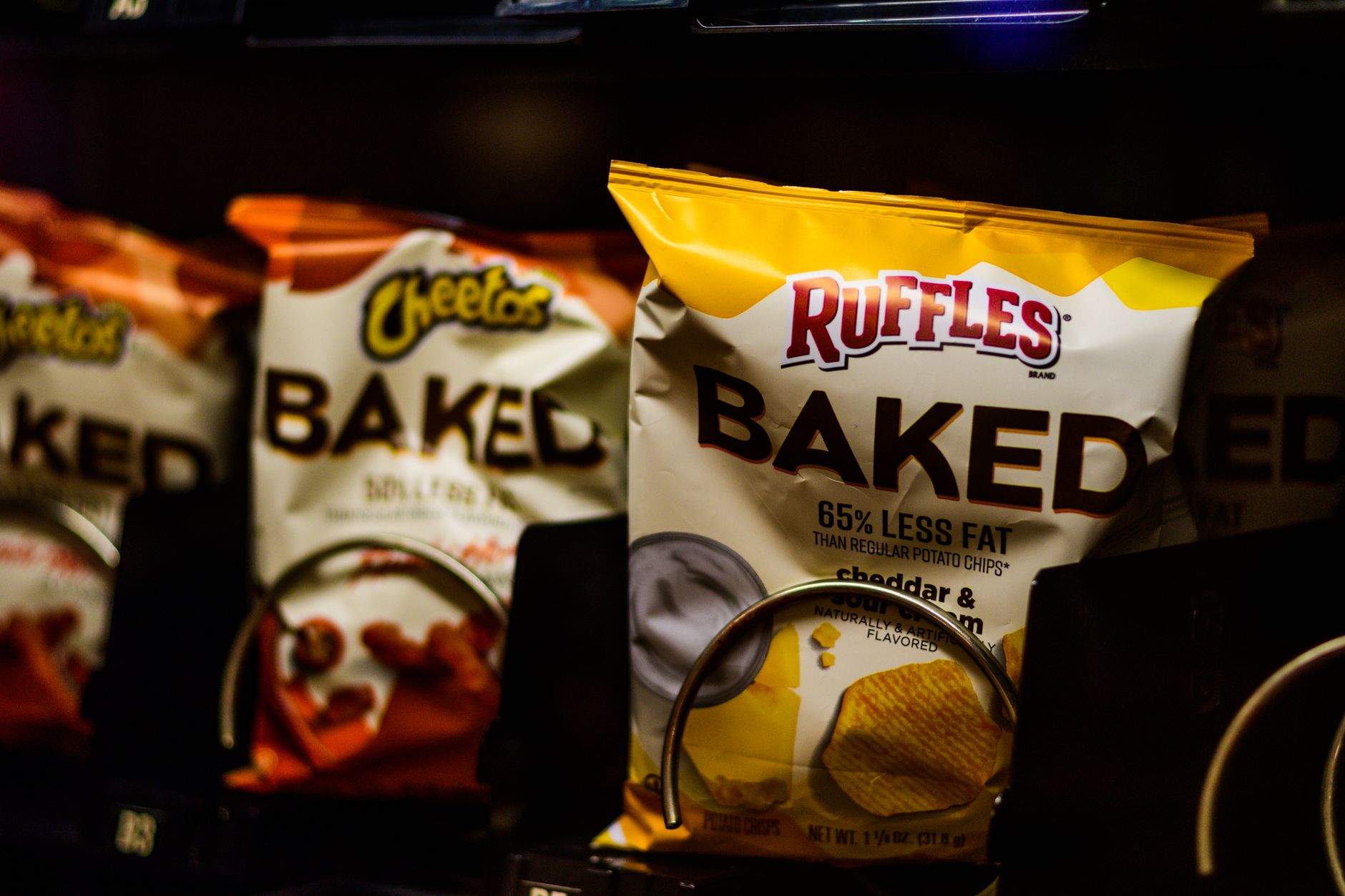
Understanding the concept of empty calories is essential for making informed dietary choices. Empty calories refer to foods and drinks that contain a high amount of calories but little to no nutritional value. Recognizing these foods can help you prioritize nutrient-dense options for a healthier diet.
This article explores what empty calories are, examples of foods that fall into this category, their impact on health and weight management, and tips for reducing their consumption while enhancing your overall nutrition.
What Are Empty Calories?
Empty calories are often derived from foods and beverages high in added sugars and unhealthy fats, which provide energy (calories) but lack essential nutrients like vitamins, minerals, and fiber. Commonly, these calories do not contribute to your body’s nutritional needs and can lead to weight gain and other health issues if consumed in excess.
Nutrition Facts About Empty Calories
To better understand the implications of empty calories, it’s crucial to look into the key nutrition facts associated with them:
- High Sugar Content: Foods like candies, sodas, and pastries typically contain high amounts of added sugars, which can lead to spikes in blood sugar levels and cravings.
- Unhealthy Fats: Many snack foods, fast foods, and fried items are loaded with trans fats and saturated fats that can raise cholesterol levels and increase the risk of heart disease.
- Low Nutritional Value: Empty calorie foods often lack vitamins, minerals, protein, and fiber, which are necessary for maintaining vital bodily functions and overall health.
- Impact on Weight Management: Regular consumption of empty calories can lead to weight gain, as they provide excess energy without satiety, causing individuals to eat more without feeling full.
Common Sources of Empty Calories
Identifying sources of empty calories can help you make better food choices. Here are some common categories:
- Sugary Beverages: Soft drinks, energy drinks, and sweetened teas are major sources of empty calories.
- Sweets and Sugary Snacks: Candy, chocolate bars, and many packaged baked goods often contain high sugars and unhealthy fats.
- Fast Foods: Burgers, fries, and other takeout items typically contain a lot of calories from unhealthy fats and sugars.
- Refined Grains: White bread, pastries, and some breakfast cereals may provide calories but lack important nutrients due to processing.
- Processed Foods: Many packaged snacks and meals are designed for taste rather than health, leading to excess calories and minimal nutrition.
The Effects of Empty Calories on Health
Understanding the health implications of consuming empty calories can encourage better dietary choices. Here are some potential effects:
- Weight Gain: Since empty calories often lack fiber and protein, these foods can lead to overeating, contributing to weight gain.
- Nutritional Deficiencies: Relying on empty-calorie foods can limit the intake of essential nutrients, increasing the risk of deficiencies.
- Heart Disease: High intake of trans fats and saturated fats is linked to cardiovascular issues. Foods with empty calories often fall into these categories.
- Type 2 Diabetes: Excessive consumption of sugary and processed foods can increase the risk of developing insulin resistance and Type 2 diabetes.
- Digestive Problems: Lack of fiber in empty calorie foods can lead to digestive issues and a slower metabolism.
How to Reduce Empty Calories in Your Diet
Reducing empty calories doesn’t have to be a daunting task. Implementing a few practical strategies can significantly enhance your diet:
- Read Nutrition Labels: Check for added sugars and unhealthy fats in packaged foods to make informed choices.
- Choose Whole Foods: Focus on foods that are minimally processed, such as fruits, vegetables, whole grains, lean proteins, and healthy fats.
- Limit Sugary Drinks: Replace sodas and other sugary beverages with water, herbal teas, or seltzer to reduce calorie intake.
- Snack Smart: Opt for nutritional snacks like nuts, fruits, and yogurt instead of chips, candy bars, or other processed options.
- Practice Portion Control: Being mindful of portion sizes can help with managing overall calorie consumption, especially for high-calorie foods.
Healthier Alternatives to Empty Calorie Foods
To make healthier food choices, consider these alternatives that not only provide satisfaction but also nutrients:
| Empty Calorie Food | Healthier Alternative |
|---|---|
| Carbonated sugary drinks | Infused water or herbal tea |
| Chips | Air-popped popcorn or baked vegetable chips |
| Candy | Fresh fruit or dried fruit without added sugar |
| White bread | Whole grain bread |
| Fast food burgers | Homemade turkey or veggie burgers |
Practical Tips for Making Nutritional Choices
In addition to substituting empty-calorie foods, here are several practical tips for maintaining a balanced diet:
- Plan Your Meals: Meal prep and planning can save you from reaching for impulsive, unhealthy food choices.
- Stay Hydrated: Drinking water throughout the day can help manage hunger and promote overall health.
- Cook at Home: Preparing meals at home often allows for better control of ingredients and portion sizes.
- Involve Variety: A diverse diet can prevent dietary boredom and encourage the intake of various nutrients.
Common Mistakes to Avoid
While trying to cut down on empty calories, certain mistakes can hinder progress. Be aware of these pitfalls:
- Underestimating Sugar Sources: Many foods marketed as healthy may still contain hidden sugars, so pay attention to labels.
- Overly Restrictive Dieting: Eliminating all treats can lead to cravings. It’s healthier to enjoy treats in moderation.
- Neglecting Nutrient Timing: Ensure you’re eating balanced meals throughout the day to avoid energy dips that lead to cravings.
Making Sustained Changes
Adopting healthier eating habits takes time and commitment. Here are some strategies to support lasting changes:
- Track Your Intake: Keeping a food diary can help you identify patterns in your eating habits and highlight areas for improvement.
- Seek Support: A dietitian or nutritionist can provide professional guidance tailored to your individual needs.
- Cultivate Mindfulness: Practicing mindful eating encourages slow eating and enjoyment of food, leading to greater satisfaction and reduced overconsumption.
In conclusion, understanding the concept of empty calories is crucial for anyone striving for a balanced, nutritious diet. By being mindful of what you’re consuming and making informed choices, you can enjoy satisfying meals and snacks that nourish your body rather than detract from your health.
Explore related recipes, cooking tips, or food guides, such as substitutes for rosemary and benefits of chia seeds, to further enhance your culinary journey and nutrition knowledge.