
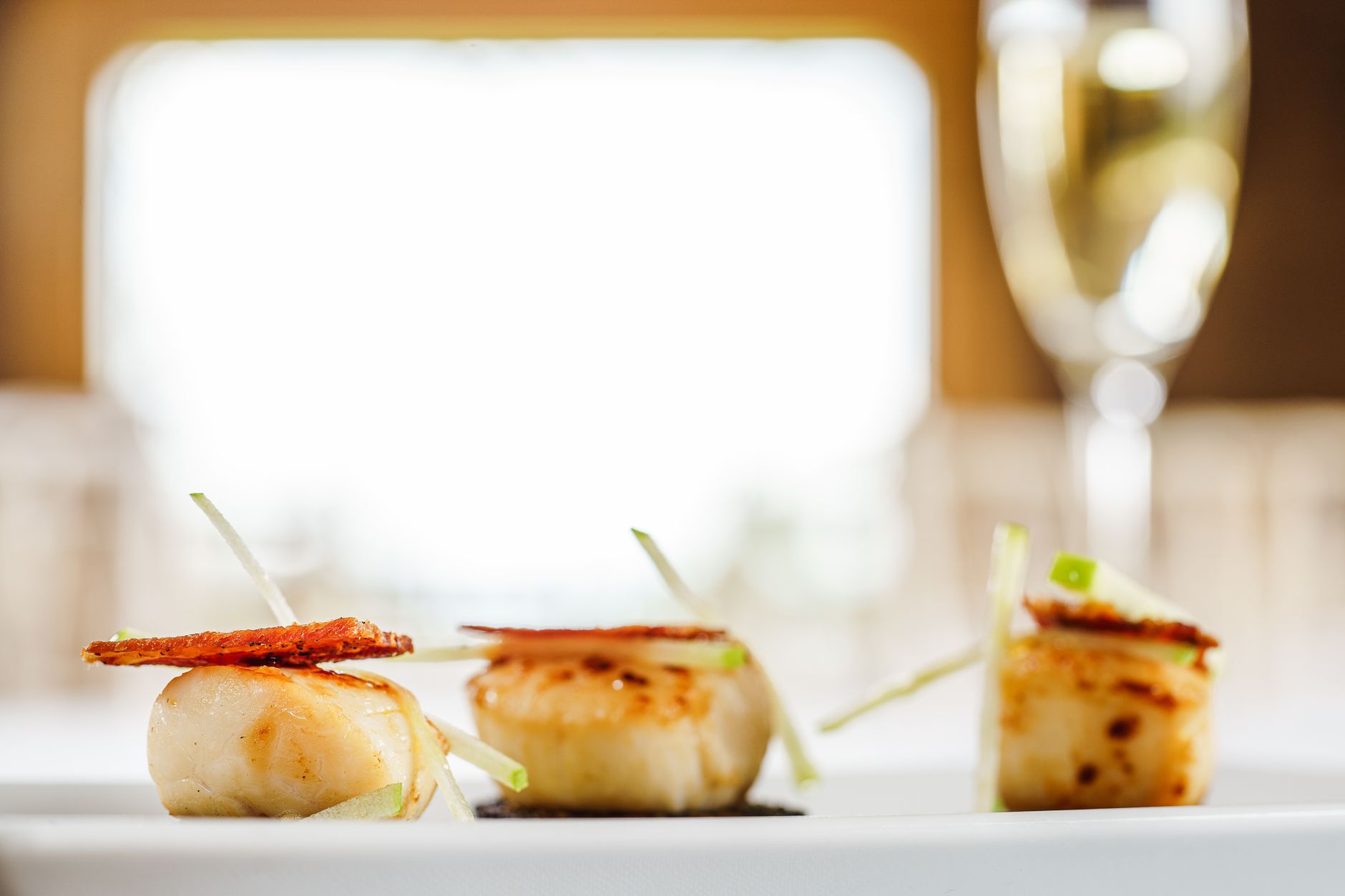
Pregnancy comes with many dietary considerations, and seafood is often a hot topic. One commonly asked question is whether pregnant women can safely consume scallops. This article will explore the safety, nutritional value, preparation methods, and delicious ways to enjoy scallops during pregnancy.
Scallops can be a healthy addition to a balanced diet, rich in essential nutrients. However, it is crucial to ensure they are sourced and cooked correctly to prevent any potential risks. We’ll dive into these aspects comprehensively, providing helpful guidelines and tips for enjoying scallops safely while pregnant.
Can Pregnant Women Have Scallops?
Yes, pregnant women can have scallops, but they should ensure proper cooking and sourcing. Pregnant women should consume seafood that is cooked thoroughly to reduce the risk of foodborne illnesses. Additionally, it’s important to choose scallops from safe sources and consume them in moderation.
Nutritional Value of Scallops
Scallops are a nutritious seafood option that offers a range of health benefits. They are low in fat and high in protein, making them a great choice for pregnant women looking to maintain a healthy diet.
Vitamins and Minerals
Scallops are rich in several vital nutrients, including:
- Vitamin B12: Essential for red blood cell production and brain health.
- Iron: Important for oxygen transport in the body and essential during pregnancy.
- Magnesium: Contributes to muscle function and overall energy levels.
- Selenium: An important antioxidant that helps protect cells from damage.
Protein Content
Scallops are an excellent source of high-quality protein, which is vital for fetal growth and development. A 3-ounce serving of cooked scallops contains about 20 grams of protein, helping to meet the increased protein needs during pregnancy.
Health Risks Associated with Scallops
While scallops can be nutritious, there are potential health risks that pregnant women should consider:
Foodborne Illness
Raw or undercooked seafood can lead to foodborne illnesses like listeriosis and norovirus, which can severely affect both the mother and the fetus. It is crucial to cook scallops to a safe internal temperature of 145°F (63°C) to significantly reduce this risk.
Mercury Levels
Scallops are generally considered low in mercury compared to other seafood options. However, pregnant women should still be mindful of their mercury intake. Consuming a variety of seafood can help minimize mercury exposure while still reaping the benefits of omega-3 fatty acids.
Selecting Safe Scallops
Choosing the right scallops is necessary for safety and enjoyment. Here are some tips for selecting scallops:
Fresh vs. Frozen
- Fresh scallops should have a slightly sweet smell and a firm texture. Look for clear, adherent muscle and avoid any scallops with a strong fishy odor.
- Frozen scallops can be just as nutritious as fresh ones if properly handled. Ensure the packaging is intact and avoid any that show signs of freezer burn.
Sourcing
Purchase scallops from reputable seafood markets or grocery stores that ensure their seafood is sourced sustainably and caught in safe waters. You can also check for certifications to assure quality and safety.
Preparing Scallops Safely
Proper preparation is key to enjoying scallops without health risks. Here are steps to prepare them safely:
Cleaning Scallops
- Rinse scallops under cold water to remove any sand or grit.
- Pat them dry with a paper towel and check for the adductor muscle. If still attached, gently remove it by pulling it away from the meat.
- Inspect each scallop for any discoloration or imperfections before cooking.
Cooking Methods
There are several ways to cook scallops, and each method can produce delicious results:
Grilling
Grilled scallops have a fantastic smoky flavor. To grill scallops:
- Preheat your grill to medium-high heat.
- Toss the cleaned scallops with oil, salt, and pepper.
- Skewer the scallops (if desired) and grill for about 2-3 minutes on each side until opaque and firm.
Searing
Searing is a popular cooking method to create a caramelized crust:
- Heat a skillet over medium-high heat with a drizzle of oil.
- Add the scallops and cook without moving them for about 2-3 minutes until they are golden brown.
- Flip and cook for another 2-3 minutes until cooked through.
Baking
Baking scallops is an easy way to prepare them without much hands-on time:
- Preheat your oven to 400°F (200°C).
- Place seasoned scallops in a baking dish, drizzle with butter, and bake for about 15 minutes until cooked through.
Delicious Scallop Recipes for Pregnant Women
Incorporating scallops into a variety of recipes can make mealtime exciting and nutritious. Here’s a selection of easy-to-make scallop dishes suitable for pregnant women.
Seared Scallops with Lemon Butter Sauce
This dish combines the rich flavor of scallops with a zesty, buttery sauce.
Ingredients
- 1 pound scallops
- 2 tablespoons olive oil
- 4 tablespoons butter
- 2 tablespoons fresh lemon juice
- Zest from 1 lemon
- Salt and pepper to taste
Instructions
- Pat the scallops dry and season with salt and pepper.
- Heat olive oil in a skillet over medium-high heat and sear the scallops for 2-3 minutes on each side until golden brown.
- Remove the scallops from the skillet. In the same pan, add butter, lemon juice, and zest; stir until melted and combined.
- Serve the scallops drizzled with the lemon butter sauce.
Baked Scallops with Herb Crust
This baked scallop recipe features a flavorful herb crust for added texture.
Ingredients
- 1 pound scallops
- 1/2 cup breadcrumbs
- 1/4 cup grated Parmesan cheese
- 2 tablespoons chopped parsley
- 2 tablespoons melted butter
- Salt and pepper to taste
Instructions
- Preheat the oven to 375°F (190°C).
- In a bowl, mix breadcrumbs, Parmesan, parsley, melted butter, salt, and pepper.
- Place scallops in a baking dish, top with breadcrumb mixture, and bake for 15-20 minutes until golden and cooked through.
Storing and Reheating Scallops
Knowing how to store and reheat scallops properly can help prevent food waste and maintain quality:
Storage
Store uncooked scallops in the refrigerator and consume them within 1-2 days. If you have leftover cooked scallops, store them in an airtight container in the fridge for up to 3 days.
Reheating
Reheat scallops gently to avoid overcooking:
- Place scallops in a skillet over low heat, adding a splash of water or broth to keep them moist.
- Alternatively, heat in the oven at 300°F (150°C) until warmed through, approximately 10 minutes.
Common Mistakes When Cooking Scallops
While cooking scallops can be straightforward, common mistakes can affect the outcome:
Overcooking
Overcooked scallops can turn rubbery. Aim for the perfect balance of a golden crust on the outside while keeping the inside opaque and tender.
Not Drying Scallops
Failing to pat scallops dry before cooking can prevent a good sear. Moisture can steam the scallops, leading to a less desirable texture.
Conclusion
Pregnant women can enjoy scallops by ensuring they are cooked thoroughly and properly sourced. This nutritious seafood offers a bounty of health benefits, making it a delicious addition to a balanced diet. Using safe cooking methods and enjoying scallops in moderation enhances safety without sacrificing flavor.
For more great seafood recipes, check out our Bay Scallops Recipe and Shrimp Scampi Recipe Without Wine. Enjoy your culinary journey while keeping both you and your baby’s health in mind!