
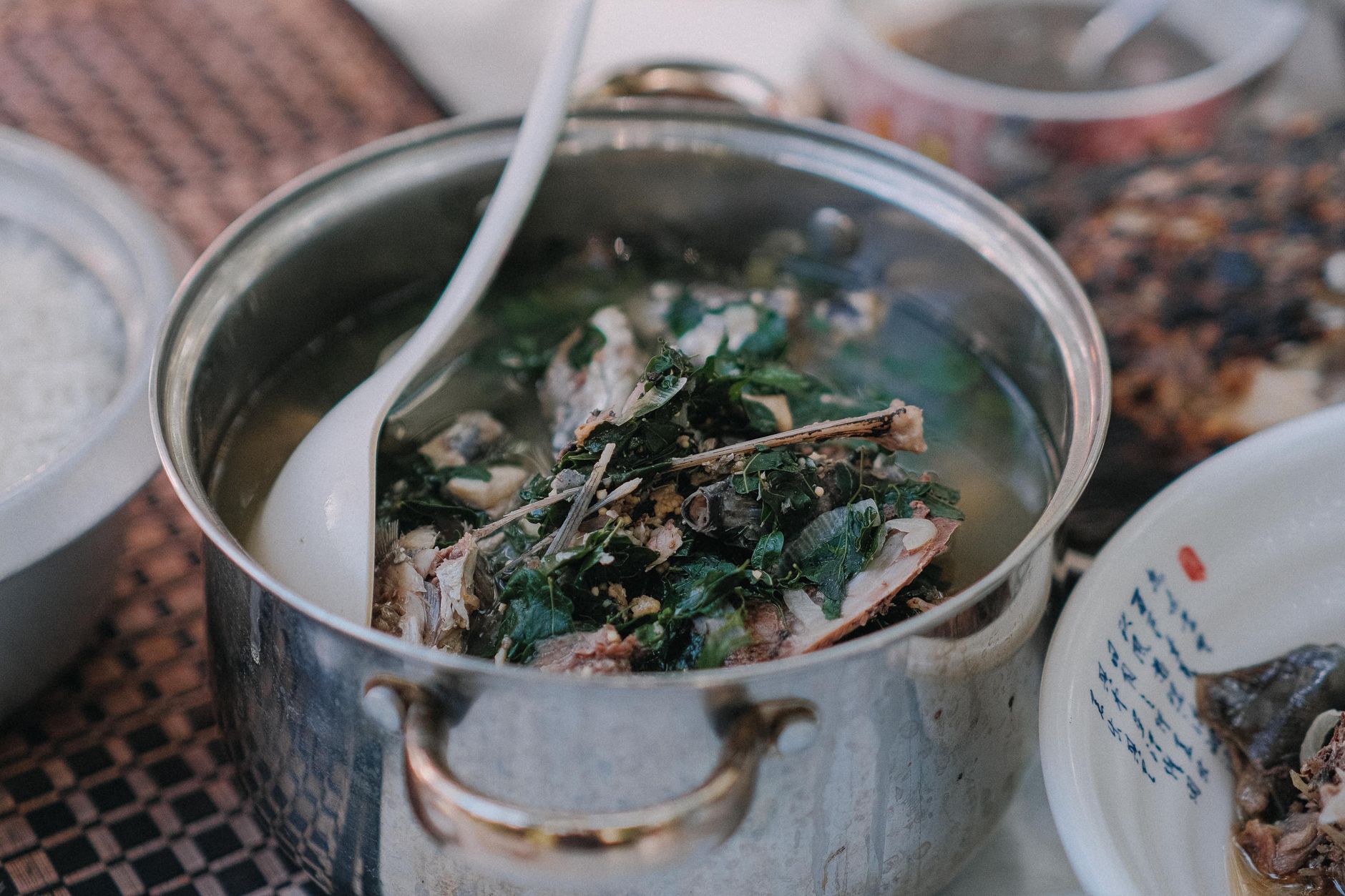
Bone broth has gained a reputation as a nourishing drink and cooking staple, renowned for its rich flavor and potential health benefits. Making bone broth involves simmering bones and connective tissues to extract their nutrients, resulting in a flavorful stock that can be used in various dishes.
While making bone broth can be time-consuming, the process is straightforward. Understanding how long to make bone broth and the right techniques will ensure you have a delicious and nutritious end product, ready to elevate your culinary creations.
How Long To Make Bone Broth?
The time required to make bone broth varies based on the type of bones used and the method chosen. Generally, simmering bones for 12 to 48 hours is recommended, with beef bones needing longer cooking times than chicken bones. The longer they simmer, the richer and more flavorful the broth becomes.
Why Make Bone Broth?
Bone broth is celebrated not just for its delightful taste but also for its versatility in the kitchen. It serves as a base for soups, stews, sauces, and gravies, or can be consumed on its own as a nourishing drink. This broth possesses a range of flavors, from hearty and robust with beef bones to light and delicate when using chicken bones. It is also highly customizable with herbs and vegetables, making it a valuable addition to any cooking repertoire.
Ingredients for Bone Broth
The ingredients for bone broth are simple yet effective. The main component is, of course, bones. Here’s a basic list of ingredients:
- Bones: 2-3 pounds of beef marrow bones, chicken carcasses, or a combination.
- Water: Enough to cover the bones in the pot, approximately 4-6 quarts.
- Apple cider vinegar: 2 tablespoons, to help extract minerals from the bones.
- Vegetables: Carrots, celery, and onions (1-2 of each, roughly chopped).
- Herbs: Fresh or dried herbs such as thyme, parsley, and bay leaves (1-2 sprigs or leaves).
- Salt: To taste, add during or after cooking.
Choosing the Right Bones
The type of bones you choose significantly impacts flavor and nutrient content. Here are some common options:
- Beef Bones: Includes marrow bones, oxtails, and neck bones. They create a rich, hearty broth.
- Chicken Bones: Carcasses from roasted or raw chickens, wings, and feet provide a lighter flavor.
- Pork Bones: Neck bones and trotters yield a distinct flavor and texture.
- Fish Bones: Fish heads and carcasses create a lighter, more delicate stock but require shorter cooking times.
Method for Making Bone Broth
While the ingredients are straightforward, the preparation and cooking method play key roles in achieving flavorful bone broth.
Equipment Needed
For making bone broth, it’s important to gather the right equipment:
- Large stockpot or slow cooker
- Strainer or fine mesh sieve
- Large bowl or jar for storing the finished broth
- Wooden spoon
Step-by-Step Instructions
- Prepare the Bones: If using raw bones, roast them in a preheated oven at 400°F for about 30-45 minutes to enhance flavor. This step is optional but recommended.
- Add Ingredients to Pot: Place the bones in a large stockpot or slow cooker. Add the chopped vegetables, apple cider vinegar, and herbs.
- Fill with Water: Pour in enough cold water to cover the bones by about 1-2 inches, approximately 4-6 quarts.
- Bring to a Simmer: Heat the mixture over medium-high heat until it begins to simmer. Once it reaches this point, reduce the heat to low to maintain a gentle simmer.
- Skim the Foam: During the first hour of simmering, you may notice foam forming on the surface. Skim this off using a ladle or spoon to help clarify the broth.
- Simmer: Allow the broth to simmer. For chicken broth, aim for 12-24 hours; for beef broth, aim for 24-48 hours. The longer the simmer, the more flavorful the broth will be.
- Check for Flavor: Periodically taste the broth to see if it has developed the flavors you desire. You may need to add more vegetables or herbs.
- Strain the Broth: Once your broth is ready, strain it using a fine mesh sieve or cheesecloth into a large bowl or jar.
- Store: Let the broth cool completely before transferring it to jars for storage. Bone broth can be stored in the refrigerator for up to a week or frozen for longer storage.
Cooking Times for Different Bones
The duration for cooking bone broth varies based on the type of bones used:
| Type of Bones | Simmering Time |
|---|---|
| Chicken Bones | 12 to 24 hours |
| Beef Bones | 24 to 48 hours |
| Pork Bones | 12 to 24 hours |
| Fish Bones | 1 to 2 hours |
Common Mistakes to Avoid
While making bone broth may seem simple, certain common mistakes can lead to inconsistent results. Here are some pitfalls to avoid:
- Not Roasting Bones: Skipping the roasting step can lead to a broth that lacks depth of flavor.
- Short Simmering Times: Not allowing enough time for bones to simmer limits nutrient extraction and flavor development.
- Using Too Much Water: Over-filling the pot dilutes the broth, resulting in bland flavors.
- Not Skimming the Foam: Failing to skim off impurities may lead to an unclear broth.
Substitutions and Variations
Bone broth is quite flexible. Here are a few variations and substitutions you can consider:
- Vegan Option: Use assorted vegetables, mushrooms (like shiitake), and seaweed, simmered for 1-2 hours to create a flavorful vegetable broth without bones.
- Herbs and Spices: Feel free to add spices like black peppercorns, garlic, or ginger for added flavor.
- Cooking Method: If short on time, consider using a pressure cooker. It can achieve similar results in significantly less time, about 1-2 hours for beef bones and 1 hour for chicken bones.
Storage and Reheating Your Bone Broth
Proper storage is essential to keep your bone broth fresh and flavorful. Here are some tips:
- Refrigeration: Chilled broth can last up to 1 week in the refrigerator. Store in airtight containers to prevent spoilage.
- Freezing: Bone broth freezes well. To freeze, pour the broth into ice cube trays for easy portioning. Once solid, transfer the cubes to a freezer bag for long-term storage.
When reheating, do so gently over low heat on the stovetop. Avoid boiling, as this can alter the texture and flavor profile of the broth.
Using Bone Broth in Recipes
Bone broth can be incorporated into a wide range of dishes to enhance flavor and nutrition. Here are some ideas on how to use it:
- As a base for soups and stews
- In risottos or grain dishes cooked in broth instead of water
- As a cooking liquid for braising meats and vegetables
- In sauces to add depth and richness
Final Thoughts
Making bone broth is not only a culinary skill but also a way to create comfort food filled with nutrients and flavors. With the right ingredients, patience, and techniques, you will find the time spent is worthwhile.
Wondering what steps to take next? Consider trying your hand at making a variety of broths. You might explore a turkey broth recipe or a chicken stock recipe to broaden your cooking experience. Your taste buds will thank you!
Explore more with our turkey broth recipe or dive into a tasty chicken stock recipe to enhance your culinary collection.