
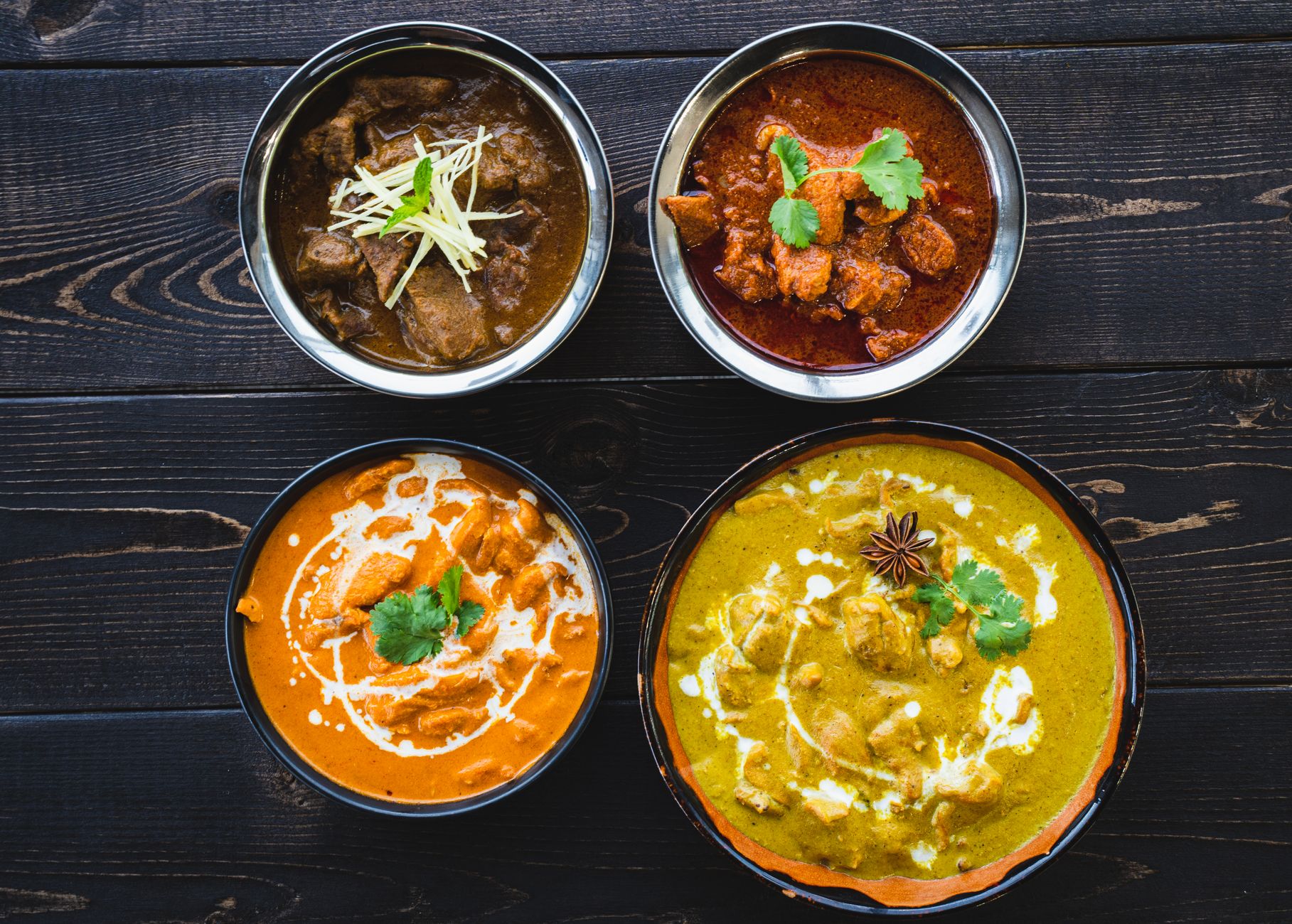
Understanding what spices are found in tikka masala not only enhances your culinary repertoire but also allows you to appreciate the depth of flavor in this beloved dish. Tikka masala, particularly chicken tikka masala, is a creamy tomato-based curry, renowned for its rich, aromatic, and slightly spicy flavor profile.
In this article, we will explore the key spices that contribute to the unique taste of tikka masala, discuss their culinary uses, and provide insight into how these spices work together to create this classic dish. Whether you’re planning to make homemade tikka masala or simply want to familiarize yourself with its ingredients, this detailed guide will be beneficial.
What Spices Are in Tikka Masala?
The foundation of tikka masala lies in its careful blend of spices that create its distinctive flavor. Typically, you’ll find the following spices in most tikka masala recipes:
- Cumin: Adds a warm, earthy flavor and a hint of sweetness. Used in both whole and ground forms.
- Coriander: Provides a light, citrusy flavor that balances the dish’s richness. Commonly found as a ground spice, its seeds can also be used.
- Turmeric: Known for its vibrant yellow color and mild bitterness, it also offers subtle earthy notes.
- Garam Masala: A blend of spices typically including cardamom, cinnamon, cloves, and black pepper, this is the finishing touch that gives tikka masala its aromatic quality.
- Chili Powder or Kashmiri Red Chili: Adds a warm spiciness and contributes to the dish’s signature reddish color, with Kashmiri chili providing a milder heat.
- Fenugreek (Kasuri Methi): Dried fenugreek leaves lend a slight bitterness and a distinct aroma, enhancing the dish’s complexity.
- Black Pepper: Offers a pungent spiciness that complements the other flavors without overpowering them.
- Garlic and Ginger: While not spices in the traditional sense, these aromatic ingredients are crucial for depth and flavor.
The Role of Each Spice in Tikka Masala
Understanding the individual role of each spice can significantly improve your cooking. Here’s how each one contributes to the overall flavor:
Cumin
Cumin seeds are often toasted before being ground to release their full flavor. This spice is integral to Indian cuisine, and in tikka masala, it provides a warm and slightly nutty backbone to the dish. Adding it in both whole and ground forms can enhance complexity.
Coriander
Both the seeds and the ground form are used in tikka masala. Coriander’s citrusy notes lighten the dish’s heavy textures. It’s often combined with cumin, and the two together create a harmonious balance of flavor.
Turmeric
This vibrant yellow spice is known for its anti-inflammatory properties, but in cooking, its primarily aesthetic contribution is to lend color while also providing a subtle bitterness that balances the richness of the cream and tomatoes.
Garam Masala
A crucial finishing touch, garam masala is often added towards the end of cooking. It rounds out the flavors of the dish, contributing warmth and a touch of sweetness from the spices used. Each garam masala blend varies by region, which can introduce unique flavor profiles.
Chili Powder or Kashmiri Red Chili
This spice provides the heat and iconic red hue of tikka masala. Kashmiri red chili is favored for its vibrant color and mild flavor compared to standard chili powders. This allows the colors to shine through in the dish without overwhelming heat.
Fenugreek (Kasuri Methi)
Fenugreek leaves add a touch of bitterness and are often used dried. Their unique aroma contributes a distinct flavor that is difficult to replicate with other herbs or spices.
Black Pepper
A classic Indian spice that enhances heat without overshadowing other flavors. Black pepperworks in concert with other spices, adding depth to the overall dish.
Garlic and Ginger
While they are not spices, garlic and ginger are essential for building flavor. Their pungent and aromatic qualities create a robust base upon which the other spices can shine.
Crafting Your Tikka Masala: Spice Variations and Substitutions
When making tikka masala, variations in spices can lead to nuanced flavor profiles. Here, we outline potential substitutes and adjustments for each key ingredient.
Cumin and Coriander
Both cumin and coriander can be substituted with caraway seeds and dill, respectively; however, the flavor will be different. These variations might add an unexpected twist, which could be pleasant if you enjoy experimenting.
Tamarind Paste
For a tangy twist, you can add tamarind paste instead of or in conjunction with turmeric. This will contribute acidity to balance the richness of the sauce.
Garam Masala Mixes
If you don’t have garam masala on hand, creating a blend with equal parts ground cumin, ground coriander, ground cardamom, and a pinch of ground cinnamon can work as a substitute, though it may lack the depth of a commercial blend.
Chili Powder Alternatives
Cayenne pepper can replace chili powder for a spicier kick. For a milder approach, sweet paprika works well to maintain the color without the heat.
Fresh Herbs
If fenugreek is unavailable, consider using fresh parsley or cilantro, which will not replicate the flavor but can provide a fresh touch to the dish.
How to Use These Spices in Cooking Tikka Masala
Making tikka masala begins with marinating your protein (commonly chicken) in a mixture of yogurt and spices, followed by cooking it in a rich sauce. Here’s an overview of how to effectively incorporate the spices:
Marination
- Combine yogurt with cumin, coriander, turmeric, Chili powder, and salt in a mixing bowl.
- Add your protein to the marinade, ensuring it’s fully coated. Allow marinating for at least 30 minutes, or overnight for deeper flavor.
- Cook marinated protein in a hot pan, searing it until golden. This locks in flavors and adds a depth of character.
Creating the Sauce
- In another pot, heat oil or ghee, adding finely chopped garlic and ginger first; sauté until aromatic.
- Add the ground spices: cumin, coriander, turmeric, chili powder, and garam masala. Stir constantly for about a minute to release essential oils.
- Introduce crushed tomatoes, and simmer until desired consistency.
- Finish with cream (or coconut milk for a dairy-free version) and fenugreek leaves to complete the sauce.
Common Mistakes to Avoid When Making Tikka Masala
Here are some common pitfalls to avoid when preparing tikka masala:
- Overcooking the spices: Sauté spices for too long can lead to bitterness. Always cook at low heat and stir.
- Neglecting the marinade: Marinating is crucial; skipping it can result in less flavorful chicken or protein.
- Using unripe tomatoes: Using overly sweet or not ripe tomatoes can lead to an undesirable flavor. Opt for fresh, ripe tomatoes or quality canned ones.
- Ignoring balance: Ensure there’s a balance between acidity, creaminess, and spice. Taste regularly and adjust as needed.
Serving Suggestions for Tikka Masala
Tikka masala is incredibly versatile, and how you serve it can enhance the experience:
- With Rice: Serve over basmati rice or jeera rice for a traditional touch.
- With Bread: Pair with naan, paratha, or chapati to enjoy the creamy sauce.
- With Salad: A fresh cucumber or onion salad can balance the richness of the dish.
- As Part of a Thali: Include it in an Indian platter with multiple dishes for variety.
Storing and Reheating Tikka Masala
If you have leftovers, proper storage is essential to maintain quality and flavor:
- Allow tikka masala to cool before transferring it to an airtight container to avoid condensation.
- Store in the refrigerator for up to 3-4 days or freeze for up to 3 months.
- When reheating, always heat to an internal temperature of 165°F (74°C) for safety. Use a pan over low heat or the microwave with a cover.
Tikka masala is not just a dish; it’s a flavor-packed experience that reflects the essence of Indian cuisine. By understanding the spices involved and how they work together, you can create a more memorable meal. Knowing how to store and serve tikka masala further enhances its appeal, allowing you to enjoy this dish for days.
For additional cooking insights, consider exploring tips for substituting coriander in your dishes at this link, or discover a unique Chinese 5 spice recipe at this link.