
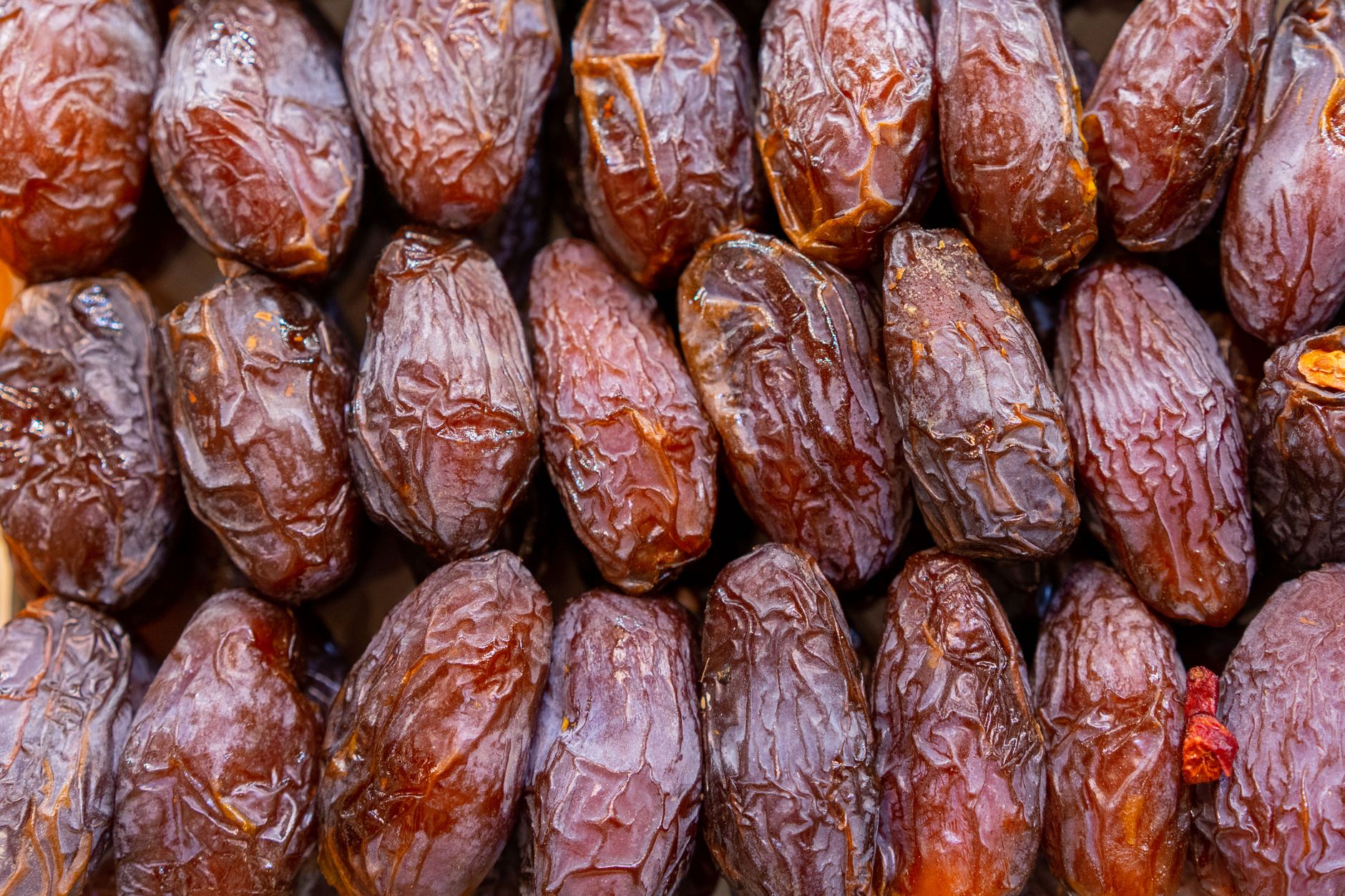
Dates are a sweet fruit that grow on the date palm tree, predominantly found in Middle Eastern and North African regions. Known for their chewy texture and caramel-like flavor, dates are a versatile ingredient that can be enjoyed in a variety of dishes, from sweet to savory. Their natural sweetness makes them an excellent substitute for refined sugar, a great source of energy, and a healthy addition to your diet.
The fruit is typically oblong and may range in color from golden yellow to deep brown. With a high sugar content, dates are often used in snacks, desserts, and health foods. In this article, we’ll explore what dates are, their flavor profile, culinary uses, how to serve them, and other essential information to incorporate dates into your meals.
What Are Dates Food?
Dates are the fruit of the date palm tree, scientifically known as Phoenix dactylifera. They are classified into two main categories: fresh and dried. Fresh dates are typically softer and come with a higher moisture content, while dried dates are chewy, sweeter, and more concentrated in flavor.
Rich in nutrients, dates are an excellent source of dietary fiber, vitamins, and minerals. They are also high in antioxidants, making them a great addition to a healthy, balanced diet.
Ingredients and Nutritional Content
Ingredients
Dates are primarily composed of:
- Carbohydrates – The major macronutrient found in dates, primarily in the form of natural sugars such as glucose and fructose.
- Dietary Fiber – A significant amount of fiber aids in digestion and promotes gut health.
- Vitamins – Dates contain vitamin B6, niacin, pantothenic acid, folate, and small amounts of vitamin K.
- Minerals – A good source of potassium, magnesium, copper, manganese, iron, and calcium.
Nutritional Profile
| Nutrient | Amount per 100g |
|---|---|
| Calories | 277 |
| Carbohydrates | 75g |
| Fiber | 7g |
| Sugars | 63g |
| Protein | 2g |
| Fat | 0.2g |
Flavor and Texture
Dates have a rich, sweet flavor that can be described as caramel-like or molasses-like. Their texture can vary depending on the variety, with some being soft and moist while others may be tougher and chewier. The natural sweetness of dates allows them to enhance both sweet and savory dishes, making them incredibly versatile in the kitchen.
Varieties of Dates
There are several varieties of dates, each with its own unique flavor and texture:
- Medjool: Known for their large size and soft texture, Medjool dates are very sweet and rich in flavor.
- Deglet Noor: These dates are slightly firmer and less sweet than Medjool dates. They have a delicate flavor and are often used in cooking.
- Barhi: A soft, amber-colored date that is best enjoyed fresh, Barhi dates are sweet and can be eaten right off the tree.
- Zahidi: With a firmer texture and golden appearance, Zahidi dates are less sweet and make a great addition to savory dishes.
How to Serve Dates
Dates can be enjoyed in various ways, making them a versatile ingredient for any meal or snack. Here are some common methods for incorporating dates into your dishes:
As a Snack
Fresh or dried dates make for a quick and satisfying snack. Their natural sugars provide a quick energy boost. You can enjoy them as-is or pair them with nuts, cheese, or yogurt for a more filling treat.
In Baking
Dates can replace refined sugar in many baked goods. They add moisture and flavor to cookies, cakes, and bread. Here are a few ideas:
- Add chopped dates to oatmeal cookies or muffins for a chewy texture and natural sweetness.
- Puree dates to create a natural sweetener for brownies or energy bites.
- Incorporate dates into bread recipes to create a dense, sweet loaf.
In Smoothies and Energy Bars
Blend dates into smoothies for added sweetness and creaminess. They can also be used as a binding agent in energy bars, helping to hold the ingredients together while providing natural sugars and nutrients.
In Savory Dishes
Surprisingly, dates can be an excellent addition to savory dishes as well. Here are some suggestions:
- Chop dates and add them to grain salads, such as quinoa or couscous, for a hint of sweetness.
- Stuff dates with cheese or nuts and wrap them in bacon for a delicious appetizer.
- Incorporate chopped dates into tagines or stews to balance out savory flavors.
In Sauces and Dressings
You can create a variety of sauces using dates. Use them to sweeten salad dressings or blend them with vinegar and spices to create a flavorful glaze for meats or vegetables.
Practical Substitutions for Dates
If you find yourself without dates, there are several alternatives available, though they may bring different flavors and textures.
Common Substitutes
- Raisins: Similar in sweetness and texture, raisins can usually replace dates in baked goods and snacks at a 1:1 ratio.
- Prunes: Prunes can offer a similar texture and sweetness, making them a good substitute in recipes where moisture is needed.
- Honey or Maple Syrup: Use liquid sweeteners in recipes as an alternative, but adjust the amount according to taste since they will alter both moisture and flavor.
- Other Dried Fruits: Options like figs and apricots can introduce unique flavors, though they will affect the overall taste of the dish.
Common Mistakes and Troubleshooting
Using dates in cooking can sometimes lead to pitfalls. Here are common mistakes to avoid:
Over-soaking or Cooking
If using whole dates in dishes, avoid over-soaking them in liquid, as this can make them too mushy and affect the texture of your dish. When incorporating dates into baked goods, be careful not to cook them at too high a temperature, as their natural sugars can burn easily.
Not Chopping Evenly
When chopping dates, make sure to cut them into even pieces to ensure even distribution in your dish. Unevenly chopped dates can lead to bite-sized pieces that are either overly sweet or lacking sweetness.
Storage and Shelf Life
To maximize the shelf life of dates, store them in a cool, dry place. Dried dates can last up to a year when kept in an airtight container. Fresh dates should be consumed within a few weeks, but may be refrigerated to extend their freshness.
For longer storage, you can freeze dates in an airtight container for up to six months. Thaw them at room temperature before use.
Recipes to Try with Dates
If you’re ready to experiment with dates in your cooking, here are two recipes to get you started:
- Date Cake Recipe: A delightful cake with rich flavors that embodies the essence of dates.
- Date Syrup Recipe: This sweet syrup can replace sugar in various recipes and work as a natural sweetener.
Whether you’re incorporating dates into snacks, desserts, or savory dishes, these versatile fruits can enhance your meals with their unique flavor and nutritional benefits. The next time you’re in the kitchen, consider adding dates as a natural sweetener or a delightful textural complement to your dishes.
Explore related recipes, cooking tips, or food guides such as Date Cake Recipe and Date Syrup Recipe to continue enriching your culinary repertoire. Happy cooking!