
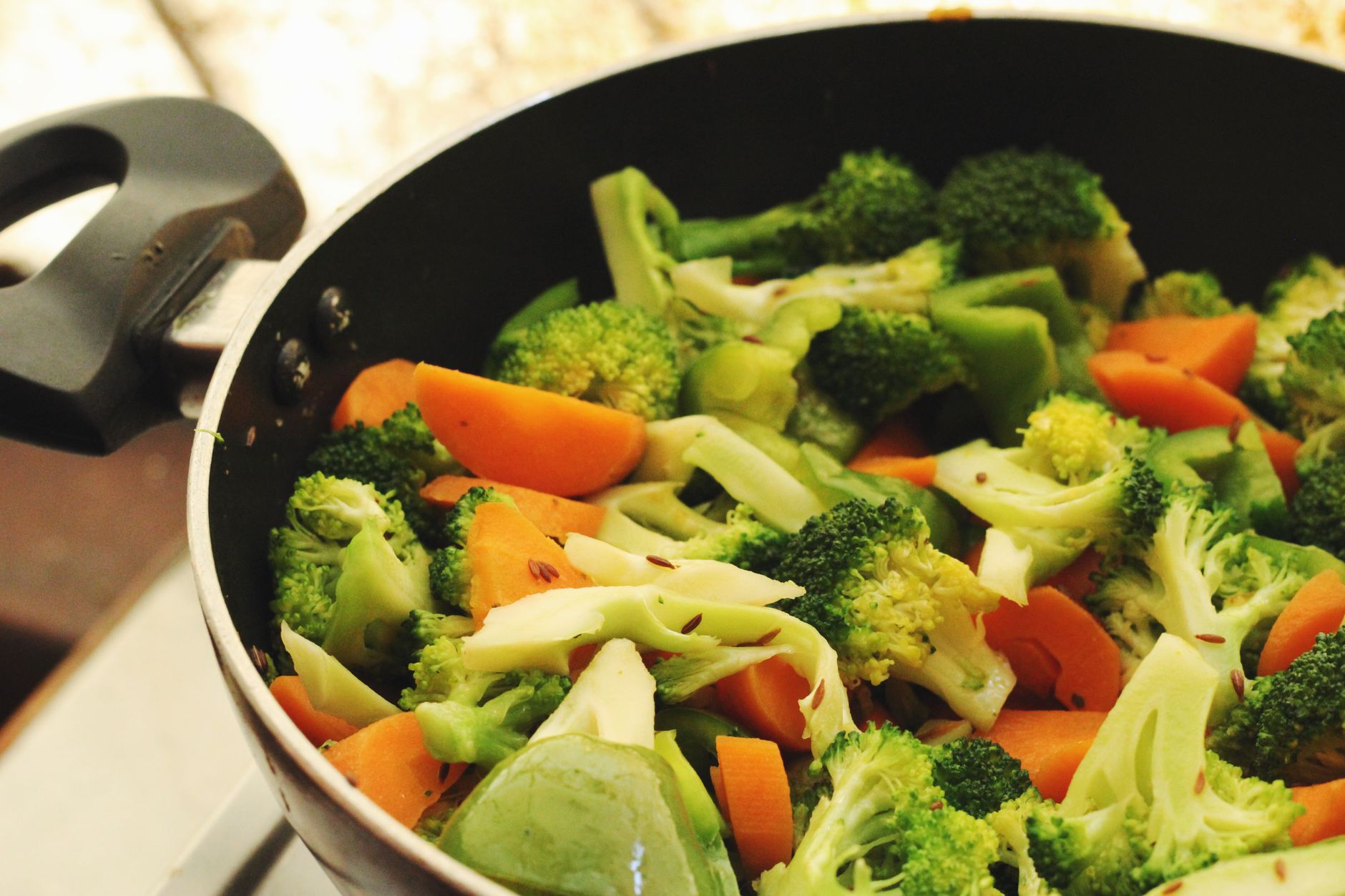
Stir fry is a versatile cooking method that allows you to combine a variety of vegetables with proteins and sauces for a quick and nutritious meal. This dynamic method, rooted in Asian cuisine, promotes the preservation of flavors and textures of fresh ingredients. Deciding which veggies to include can make all the difference in the final taste and presentation.
This article will explore the best vegetables to use in stir fry, detailing their flavor profiles, textures, and preparation methods. Additionally, we’ll cover timing for each ingredient, helpful serving tips, and cooking advice that will elevate your stir fry to impressive heights.
What Veggies Go in Stir Fry?
A wide array of vegetables can be used in stir fry, making it customizable and adaptable to personal preferences. Common options include bell peppers, broccoli, carrots, snap peas, onion, zucchini, and bok choy. The key is to choose vegetables that complement each other in flavor and texture while considering cooking times.
Understanding the Best Vegetables for Stir Fry
When selecting vegetables for stir fry, consider their crunchiness, color, and nutritional value. Here’s a closer look at some popular choices:
- Bell Peppers: Sweet and colorful, bell peppers add both texture and vibrant hues to stir fry. Choose a mix of red, yellow, and green for a more visually appealing dish.
- Broccoli: Known for its health benefits, broccoli provides a crunchy texture and earthy flavor. Cut it into small florets for easier cooking.
- Carrots: Carrots bring sweetness and a bit of crunch. Slice them thinly or julienne them so they cook quickly and evenly.
- Snap Peas: These sweet, crisp pods add freshness and a pop of color. Their quick cooking time makes them ideal for stir-frying.
- Onions: Onions add depth and aromatic flavor. Yellow, red, or green onions work well, depending on your preference.
- Zucchini: Zucchini has a delicate flavor and cooks quickly. Cut into half-moons or strips to maintain a good texture.
- Bok Choy: This leafy green brings a slight bitterness and unique crunch. Use both the white stems and leafy greens for a winning combination.
- Garlic and Ginger: While not vegetables per se, garlic and ginger add warmth and spice, enhancing the overall flavor of your stir fry.
Timing: Cooking Your Vegetables
Each type of vegetable has its own cooking time. Understanding when to add each vegetable can prevent overcooking and ensure that they retain their crunch. Below is a guide on timing:
- Sturdy Veggies (Broccoli, Carrots, Bell Peppers):
- Cook for 2-3 minutes before adding more delicate vegetables.
- Medium Sturdiness (Zucchini, Onions, Snap Peas):
- These should be added 1-2 minutes after the sturdier vegetables.
- Delicate Veggies (Bok Choy, Garlic, Ginger):
- Add in the last minute of cooking to preserve their tender texture and flavors.
Preparation: How to Get Your Veggies Ready
Proper preparation is crucial for an efficient stir fry. Follow these steps to get your vegetables ready:
- Wash Thoroughly: Clean all vegetables under cool water to remove any dirt or pesticides.
- Cut Uniformly: Cut vegetables into uniform sizes to ensure even cooking. For example, cut bell peppers into strips, and broccoli into small florets.
- Prepare the Stir Fry Sauce: While not a vegetable, prepare your sauce in advance to save time. A mix of soy sauce, sesame oil, and garlic is commonly used.
- Gather Your Ingredients: Have all your prepared ingredients ready to go before starting to cook. Stir frying is quick, and timing is essential!
Serving Tips: Making Your Stir Fry Shine
Once your stir fry is ready, how you serve it can elevate the dining experience. Consider these tips:
- Garnishes: Fresh herbs like cilantro or green onions can add extra flavor and color to the dish.
- Serve with a Starch: Pair your stir fry with rice, noodles, or a grain like quinoa to create a complete meal.
- Presentation: Use a large bowl or plate to hold the stir fry and keep the colors bright and vibrant.
- Dipping Sauce: Consider serving a dipping sauce on the side. A simple soy sauce or a spicy chili sauce can enhance flavors.
Common Mistakes to Avoid in Stir Fry
Even though stir frying may seem straightforward, certain mistakes can affect taste and texture. Here’s what to avoid:
- Overcrowding the Pan: If too many vegetables are added at once, they will steam instead of fry, losing their desired texture.
- Not Prepping in Advance: As stir frying cooks quickly, not having everything prepped beforehand can lead to uneven cooking.
- Incorrect Heat Level: Cooking on too low heat can cause the dish to become soggy, while too high can lead to burning. Aim for a medium-high heat.
- Adding Sauce Too Early: To avoid sogginess, add your sauce in the last minute of cooking to provide moisture without excess liquid.
Exploring Variations and Substitutions
While the suggested vegetables are fantastic, stir fry is all about flexibility. Here’s how to substitute or modify ingredients:
- Squash Instead of Zucchini: If you prefer a different flavor, yellow squash can provide a similar texture but with a slightly sweeter taste.
- Brussels Sprouts Instead of Broccoli: Shredded or halved Brussels sprouts can add a nutty flavor and appealing crunch.
- Cauliflower as a Low-Carb Option: If you’re looking for a low-carb substitute, cauliflower florets can mimic broccoli’s crunch.
- Green Beans in Place of Snap Peas: Green beans offer a similar snap and freshness if snap peas aren’t available.
Storing Leftover Stir Fry
If you have leftover stir fry, proper storage is essential for maintaining freshness:
- Cool Quickly: Allow the stir fry to cool to room temperature for no more than two hours before refrigerating.
- Store in Airtight Containers: Use containers that seal tightly to keep the dish fresh and prevent it from drying out.
- Refrigerate: Store stir fry in the fridge for up to three days. Reheat only the portions you plan to eat.
- Reheating Instructions: Reheat in a skillet over medium heat, stirring frequently, until heated through, or microwave in short increments.
Quick and Easy Stir Fry Recipe Idea
Here’s a simple stir fry recipe to get started using your chosen vegetables. This recipe serves four and is perfect for a quick and healthy dinner.
Ingredients:
- 2 cups broccoli florets
- 1 cup sliced bell peppers (mixed colors)
- 1 cup julienned carrots
- 1 cup snap peas
- 1 medium onion, sliced
- 2 cloves garlic, minced
- 1 tablespoon ginger, minced
- 3 tablespoons soy sauce
- 1 tablespoon sesame oil
- 2 tablespoons vegetable oil or canola oil
- Optional garnishes: sesame seeds, sliced green onions
Method:
- Heat vegetable oil in a large skillet or wok over medium-high heat.
- Add broccoli, carrots, and onion. Stir fry for 2-3 minutes until they start to soften.
- Add sliced bell peppers and snap peas, cooking for another 1-2 minutes.
- Add garlic and ginger, stirring quickly to avoid burning.
- Pour in soy sauce and sesame oil, mixing well. Stir fry for an additional minute until everything is coated and heated through.
- Serve immediately, garnished with sesame seeds or green onions if desired.
Experimenting with different vegetables can lead to a unique stir-fry dish each time. With the above suggestions in mind, you can tailor your meal to suit your taste preferences and dietary needs.
In summary, stir fry is not only delicious but also a fun way to incorporate a variety of vegetables into your meals. Next time you need an easy, healthy dinner, don’t hesitate to reach for a selection of vibrant veggies and let your culinary creativity flow.
If you enjoyed this guide, explore more delicious recipes and tips such as Hibachi Vegetables Recipe and learn how to make flavorful Sauteed Mushrooms.