
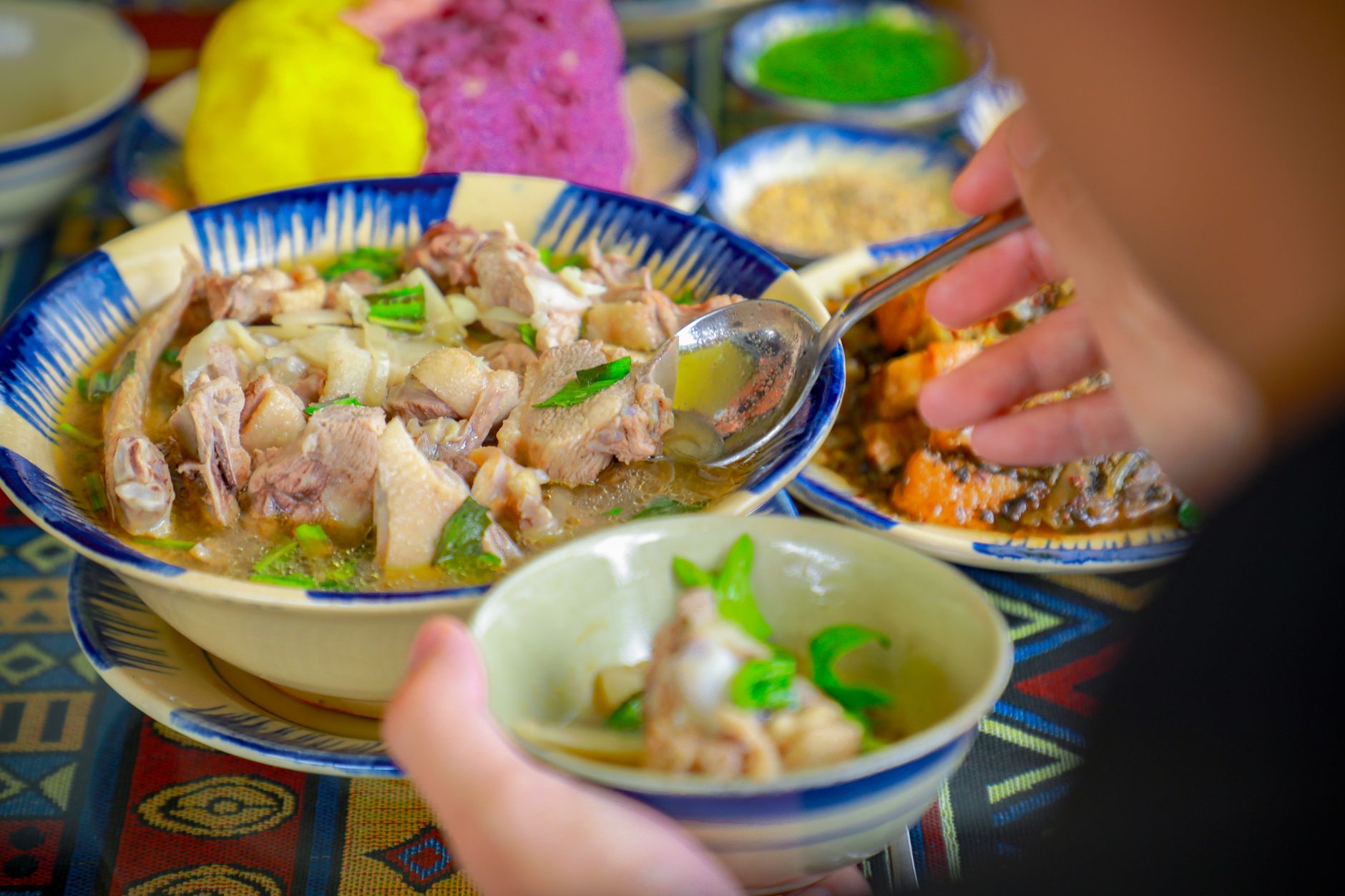
Chicken bones are a common byproduct of many meals, particularly when it comes to roasting or grilling. As a result, many people wonder if humans can safely consume chicken bones, either as a snack or in dishes. The short answer is not really; chicken bones can pose potential health risks when eaten by humans.
This article will explore the reasons why chicken bones are not suitable for consumption, delve into the potential dangers they present, and highlight alternative uses for chicken bones in the kitchen. Additionally, we will cover safe cooking techniques and ideas for avoiding waste.
Can Humans Eat Chicken Bones?
No, humans should not eat chicken bones. Chicken bones are brittle and can splinter easily, potentially leading to choking or causing injury to the mouth, throat, or digestive tract. While soups and broths made from bones can extract nutrients, the bones themselves are not safe for direct consumption.
The Risks of Eating Chicken Bones
When considering eating chicken bones, it is essential to understand the various health risks involved. Let’s break down these risks to highlight why avoiding chicken bones is crucial.
1. Choking Hazards
Chicken bones, particularly when cooked, become brittle and can splinter into sharp pieces. Ingesting these sharp fragments can lead to severe choking incidents, especially in children or those with swallowing difficulties. Some bones may become lodged in the throat or airway, necessitating emergency interventions.
2. Internal Injuries
If splintered chicken bones make their way into the digestive tract, they can cause internal injuries. These may range from cuts and tears to perforations of the intestines. Such conditions may lead to internal bleeding, infections, or other serious complications requiring medical attention.
3. Foodborne Illness
Poultry bones can retain harmful bacteria, including Salmonella or Campylobacter, which can lead to foodborne illnesses. Consumption of contaminated chicken bones can also pose an increased risk, particularly if the bones are not handled or cooked properly.
Safe Cooking Techniques: How to Use Chicken Bones
While chicken bones are not suitable for eating, they can be utilized to create rich-flavored broths and stocks. The following are safe methods for working with chicken bones in the kitchen that minimize risk and maximize flavor.
1. Making Chicken Stock
Chicken stock serves as a versatile foundation for soups, stews, and sauces. It’s an excellent way to extract flavor and nutrients from chicken bones without consuming them directly.
- Ingredients:
- Chicken carcasses or leftover bones
- Water
- Vegetables (e.g., onions, carrots, celery)
- Herbs (e.g., bay leaf, thyme, parsley)
- Salt and pepper (optional)
2. Equipment Needed:
- Large stock pot or slow cooker
- Strainer or cheesecloth
- Storage containers
- Wooden spoon or ladle
3. Step-by-Step Method:
- Start by placing the chicken bones in your stock pot or slow cooker.
- Add roughly 10 cups of water, covering the bones completely.
- Chop the vegetables and add them to the pot, along with any herbs you desire.
- Bring the mixture to a boil over medium heat, then reduce to a simmer.
- Simmer for 4 to 6 hours on the stovetop or 8 to 10 hours in a slow cooker, occasionally skimming off any foam that rises to the surface.
- Once simmered, strain the stock using a strainer or cheesecloth to remove the solids, keeping only the liquid.
- Season to taste with salt and pepper, if desired.
- Let the stock cool before transferring it to storage containers and refrigerating or freezing for later use.
Using Chicken Bones Effectively
Besides making stock, chicken bones can serve other creative culinary purposes that minimize waste while staying safe. Here are some practical approaches:
1. Flavor Enhancements
Chicken bones can be roasted before being added to stock. This adds a wonderful depth of flavor and complexity. To do this:
- Preheat your oven to 400°F (200°C).
- Spread the bones on a baking sheet.
- Roast for 30-40 minutes until golden brown.
- Then proceed to make stock using the roasted bones.
2. Pet Food Considerations
Some pet owners may wonder if they can feed chicken bones to their pets. While many dogs can handle raw bones safely, cooked chicken bones are not safe for pets either. Always consult with a veterinarian to know the best practices for feeding bones to pets safely.
Dealing with Leftover Chicken Bones: Best Practices
When dealing with leftover chicken bones after a meal, the most responsible approach is to dispose of them or use them for stock. Here are some essential tips for disposing of or utilizing leftover chicken bones safely:
- Never feed cooked chicken bones to pets.
- Store leftovers in an airtight container in the refrigerator for no more than 3-4 days.
- If making stock, use leftover bones within a few days of cooking for the best flavor.
- For long-term storage, freeze chicken bones in an airtight container. They are perfect for future stock-making sessions.
Conclusion: Understanding Chicken Bones and Culinary Uses
To summarize, while chicken bones may be appealing in certain culinary applications, they are not safe for human consumption. Knowing how to use chicken bones effectively for stock and flavoring allows for a delicious culinary experience without risking health. Always rely on safe cooking techniques when working with chicken bones, and consider the potential hazards associated with consuming them directly.
For more insights on food storage, check out these guides on how long does cooked chicken last and how to tell if chicken is bad. Proper food handling ensures a safe kitchen environment and avoids potential health risks.