
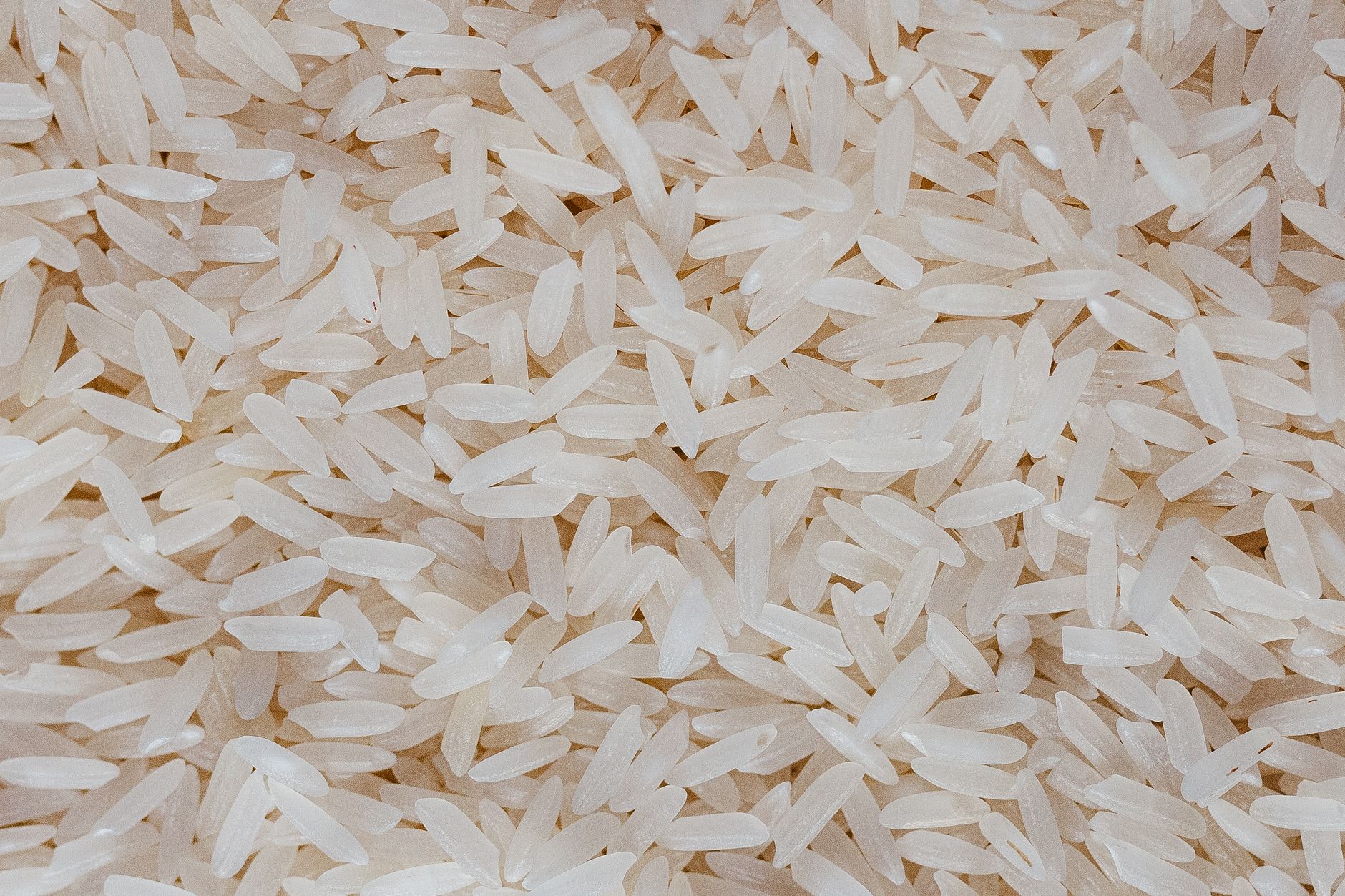
Rice is a staple in many households worldwide, but not all rice is created equal. Understanding how to identify bad rice can save you money and prevent food waste. This article covers what bad rice looks like, how to store it properly, and tips for ensuring your rice remains fresh longer.
Knowing how to spot spoiled rice helps maintain your pantry’s health. This article will discuss the visual cues of bad rice, the signs of spoilage, and guidelines for storage and use to keep your rice dishes delicious and safe.
What Does Bad Rice Look Like?
Bad rice can manifest in various ways, depending on the type of rice and the conditions in which it has been stored. Generally, spoiled rice can be identified through visual inspection, smell, and texture. Here are some key indicators of bad rice:
- Discoloration: Fresh rice grains are typically white, brown, or colored according to the variety. Bad rice may develop dark spots, yellowing, or an even gray hue.
- Moisture and Clumping: Good rice keeps its individual grains separate. Spoiled rice might feel wet or sticky, often clumping together. Excess moisture can lead to mold growth.
- Mold: If you see any noticeable mold on rice, discard it immediately. Mold indicates that the rice has been in contact with moisture for an extended time.
- Insects or Larvae: Examine the rice carefully for small bugs or larvae, particularly if it’s stored for long periods. Insect damage usually indicates poor storage conditions.
- Unpleasant Odors: Fresh rice has a mild, neutral smell. If rice emits a sour, rancid, or otherwise bad odor, it is likely spoiled.
Types of Rice and Their Shelf Life
The shelf life and storage needs of rice vary between types. Here’s a quick overview of the most common types of rice and how long they last when stored properly:
| Type of Rice | Uncooked Shelf Life | Cooked Shelf Life (Refrigerated) |
|---|---|---|
| White Rice | 4-5 years | 4-6 days |
| Brown Rice | 6 months – 1 year | 4-6 days |
| Basmati Rice | 5 years | 4-6 days |
| Jasmine Rice | 4-5 years | 4-6 days |
| Wild Rice | 4-5 years | 4-6 days |
How to Properly Store Rice
To ensure the longevity of your rice, proper storage is crucial. Here are some tips to store rice effectively:
- Cool, Dry Place: Store rice in a cool, dry location away from sunlight. A pantry or cupboard works well.
- Airtight Containers: Use airtight containers to protect rice from moisture and pests. Glass jars, vacuum-sealed bags, or plastic containers with tight-fitting lids are ideal.
- Keep Away from Odorous Foods: Rice can absorb smells from nearby foods, so keep it separate from strong-smelling ingredients.
- Label Containers: If you buy rice in bulk or transfer it to other packaging, label containers with the purchase date.
Cooking Fresh Rice
Cooking rice properly not only enhances its flavor but also ensures it is safe to eat. Here’s a basic guide for cooking various types of rice:
Essential Equipment
- Medium saucepan with a lid
- Measuring cups and spoons
- Fine mesh strainer
- Spoon or rice paddle
Basic Cooking Instructions
- Measure the rice. Standard measurement is 1 cup of rice for 2 cups of water for most types, but this may vary.
- Rinse the rice. Use a fine mesh strainer to rinse the rice under cold water until it runs clear. This removes excess starch.
- Combine ingredients. Place the rinsed rice and measured water in the saucepan. Add salt if desired.
- Bring to a boil. Heat on high until the water boils, then reduce to low heat and cover the pan with the lid.
- Simmer. Allow the rice to cook for the time specified (typically 18-20 minutes for white rice). Do not lift the lid while cooking.
- Turn off heat and let it rest. Once the cooking time is up, remove the saucepan from heat and let it sit, covered, for 5-10 minutes.
- Fluff and serve. Use a fork or rice paddle to fluff the rice before serving.
Common Mistakes When Cooking Rice
Even the most seasoned cooks can make errors while cooking rice. Here are some common pitfalls to watch out for:
- Not rinsing the rice: Failing to wash the rice can result in a sticky texture due to excess starch.
- Using too much or too little water: Precise water measurements are crucial for perfectly cooked rice.
- Lifting the lid too soon: Every time the lid is lifted, steam escapes, which can lead to unevenly cooked rice.
What to Do with Leftover Rice
Leftover rice can be delicious if used correctly. Here are a few ideas for utilizing cooked rice:
- Fried Rice: Stir-fry cooked rice with vegetables, protein, and soy sauce for a quick meal.
- Rice Casserole: Incorporate leftover rice into a casserole with your favorite ingredients and bake.
- Rice Soup: Add it to soups or stews for added texture and nutrition.
Signs of Bad Cooked Rice
It’s crucial to recognize when cooked rice has spoiled. Here are signs to look for:
- Off Odor: Spoiled cooked rice may have a sour or rancid smell.
- Texture Changes: If cooked rice appears slimy or overly dry, it is best discarded.
- Mold: As with uncooked rice, visible mold is a sure sign that rice is no longer safe to eat.
Following Food Safety Guidelines
Food safety is paramount when it comes to rice consumption. Adhere to these guidelines:
- Storage Time: Cooked rice should not be stored in the refrigerator for more than a week.
- Reheating: Always reheat rice to at least 165°F (74°C) before consumption to kill harmful bacteria.
- Marinating: Avoid marinating cooked rice as it increases the risk of bacterial growth.
What Happens if You Eat Bad Rice?
Eating bad rice can lead to food poisoning, resulting in symptoms like nausea, vomiting, diarrhea, and abdominal pain. It is crucial to check for spoilage before consuming rice to avoid these unpleasant experiences.
Choosing Quality Rice
When purchasing rice, consider these tips to ensure you’re getting a good product:
- Check the Packaging: Ensure the packaging is sealed and has no signs of damage.
- Inspect the Rice: Look for any discolored grains or evidence of moisture.
- Research the Brand: Familiarize yourself with reputable brands known for maintaining the quality of their rice products.
Considerations for Different Dietary Preferences
Rice is a versatile grain that can accommodate various dietary preferences. Here are considerations based on popular diets:
- Gluten-Free: All rice varieties are gluten-free, making them suitable for individuals with gluten intolerance.
- Vegan: Rice is a staple in vegan diets and can be paired with vegetables, legumes, and plant-based proteins.
- Low-Carb Diets: For those on a low-carb diet, alternatives like cauliflower rice may be preferable.
Conclusion
Identifying bad rice is essential for maintaining healthy eating habits and ensuring food safety. By knowing the signs of spoilage and mastering proper storage techniques, you can enjoy rice as a delicious addition to your meals without fear. For practical next steps, start checking your rice stock today and prepare to put it to good use in your upcoming dishes!
Explore related recipes and cooking tips to expand your culinary knowledge, such as whether basmati rice is gluten-free or how many cups of water is needed for cooking rice with correct water ratios.