
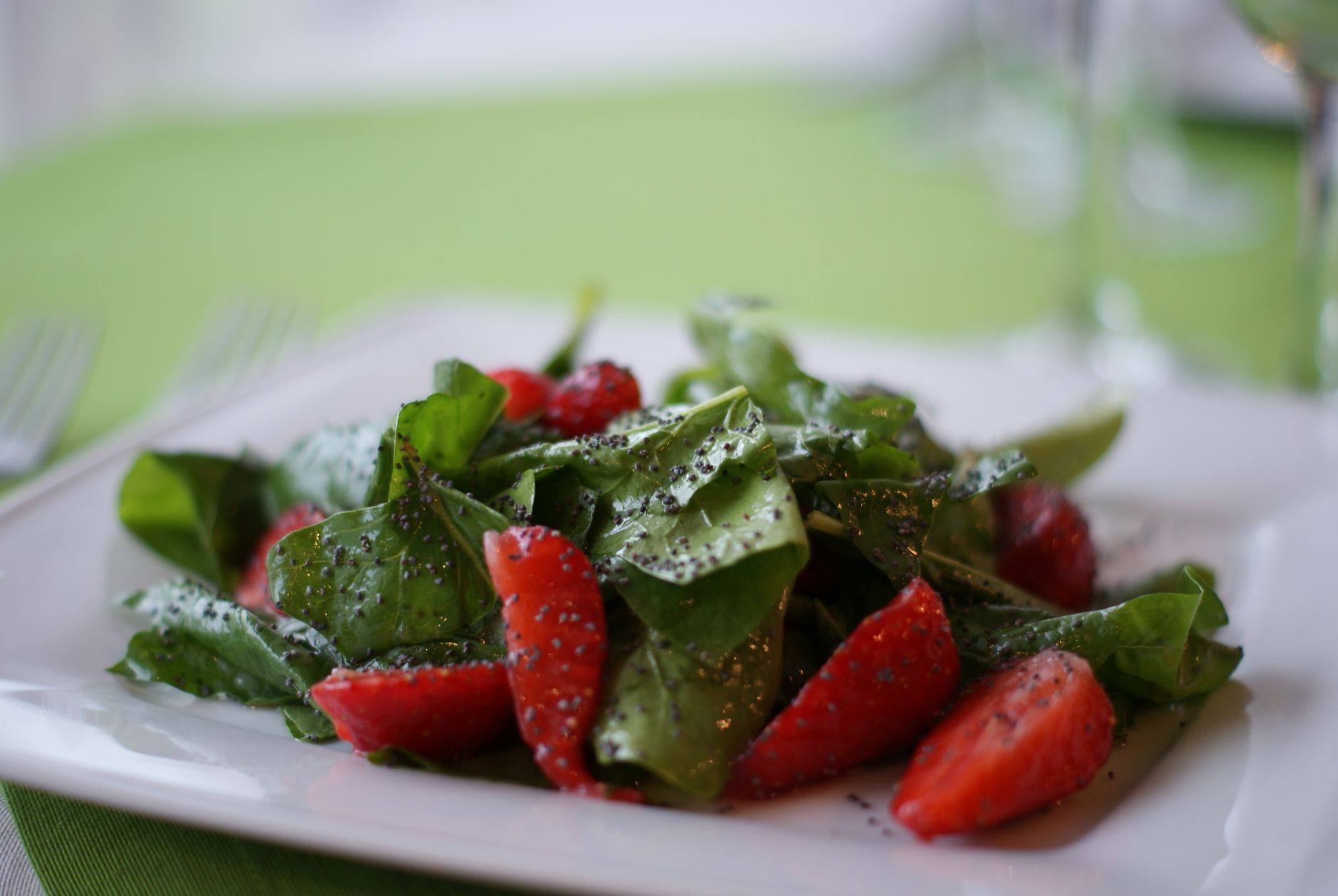
Anemia, a condition often resulting from an iron deficiency, can lead to fatigue, weakness, and other health issues. Eating a balanced diet rich in iron can help combat anemia, improving your overall well-being. This article will provide you with a comprehensive list of foods that are beneficial if you’re anemic, along with practical meal-planning tips and preparation methods to boost iron absorption.
While an iron-rich diet is crucial, combining certain foods correctly can enhance iron absorption. Let’s explore which foods you should incorporate into your meals and how to prepare them effectively for maximum benefit.
What to Eat If You’re Anemic?
If you’re anemic, focus on incorporating iron-rich foods, particularly heme iron from animal sources and non-heme iron from plant sources. Foods rich in vitamin C can also enhance iron absorption. Incorporate these items into your meals for an effective approach to managing anemia.
Understanding Iron and Its Sources
Iron is essential for producing hemoglobin, the protein in red blood cells that carries oxygen throughout the body. There are two types of iron found in food: heme iron and non-heme iron. Heme iron is found in animal products and is more efficiently absorbed by the body. Non-heme iron, found in plant-based foods, is less readily absorbed but can still play a significant role in iron intake.
Heme Iron Sources
- Red meat (beef, lamb)
- Poultry (chicken, turkey)
- Fish and seafood (salmon, tuna, shellfish)
- Organ meats (liver, kidney)
Non-Heme Iron Sources
- Legumes (lentils, chickpeas, beans)
- Tofu and tempeh
- Nuts and seeds (pumpkin seeds, almonds)
- Whole grains (quinoa, brown rice, oats)
- Leafy greens (spinach, kale, swiss chard)
- Dried fruits (apricots, raisins, prunes)
Foods That Enhance Iron Absorption
- Vitamin C-rich foods (citrus fruits, strawberries, bell peppers)
- Fermented foods (sauerkraut, kimchi, yogurt)
- Quality fats (olive oil, avocado)
Meal Planning for Anemia
Planning your meals around these iron-rich foods will help manage anemia effectively. Here’s a sample meal plan that incorporates a variety of iron sources and enhances absorption with complementary ingredients.
Sample Meal Plan for a Day
- Breakfast: Oatmeal topped with almonds, sliced banana, and a sprinkle of cinnamon; served with a glass of orange juice.
- Snack: Hummus with carrot and cucumber sticks.
- Lunch: Spinach salad with grilled chicken, cherry tomatoes, avocado, and a lemon vinaigrette; whole-grain bread.
- Snack: A handful of dried apricots and nuts.
- Dinner: Lentil stew made with carrots, celery, and served with brown rice; a side of steamed broccoli.
- Dessert: Yogurt with berries and a drizzle of honey.
Breakfast Ideas
Starting your day with a nutritious breakfast can help set the tone for better iron intake. Here are some creative breakfast ideas that are not only delicious but also iron-rich.
1. Spinach and Feta Omelet
This dish combines eggs, which contain small amounts of heme iron, with spinach, providing a boost of non-heme iron.
- Ingredients:
- 2 large eggs
- 1 cup fresh spinach
- ¼ cup feta cheese
- 1 tablespoon olive oil
- Salt and pepper to taste
Instructions:
- Heat olive oil in a non-stick skillet over medium heat.
- Whisk the eggs in a bowl and season with salt and pepper.
- Add spinach to the skillet and sauté until wilted.
- Pour the eggs into the pan and sprinkle with feta cheese.
- Cook until the eggs are set, then fold and serve warm.
2. Iron-Fortified Cereal with Fruit
Choose a cereal that is rich in iron and top it with vitamin C-rich fruits.
- Ingredients:
- 1 cup iron-fortified breakfast cereal
- 1 cup milk or a dairy alternative
- ½ banana, sliced
- Handful of strawberries, sliced
Instructions:
- In a bowl, combine cereal and milk.
- Top with banana and strawberries before serving.
Lunch and Dinner Options
For lunch and dinner, you can build hearty meals that are iron-rich. Here are some options to consider:
1. Quinoa Salad with Chickpeas
This refreshing salad combines protein-rich quinoa and chickpeas, both excellent sources of non-heme iron.
- Ingredients:
- 1 cup cooked quinoa
- 1 can chickpeas, rinsed and drained
- 1 cup cherry tomatoes, halved
- ½ cup cucumber, diced
- ¼ cup red onion, diced
- 2 tablespoons olive oil
- 1 tablespoon lemon juice
- Salt and pepper to taste
Instructions:
- In a large bowl, combine quinoa, chickpeas, tomatoes, cucumber, and red onion.
- Drizzle with olive oil and lemon juice; season with salt and pepper.
- Toss well and serve chilled or at room temperature.
2. Beef Stir-Fry with Broccoli
This dish is packed with heme iron from beef and vitamin C from broccoli, enhancing iron absorption.
- Ingredients:
- 8 oz lean beef, sliced thin
- 2 cups broccoli florets
- 1 red bell pepper, sliced
- 3 tablespoons soy sauce
- 2 tablespoons sesame oil
- 2 cloves garlic, minced
Instructions:
- Heat sesame oil in a wok or large skillet over high heat.
- Add garlic and beef; stir-fry until beef is browned.
- Add broccoli and bell pepper; stir-fry for another 5–7 minutes.
- Pour in soy sauce and cook for an additional minute, then serve warm.
Snacks to Boost Iron Intake
Smart snacking can complement your meals and help maintain your iron intake throughout the day. Here are some healthy snack suggestions.
1. Nut Mix with Dried Fruits
A combination of nuts and dried fruits provides healthy fats and iron.
- Ingredients:
- ¼ cup almonds
- ¼ cup walnuts
- ¼ cup dried cranberries
- ¼ cup dark chocolate chips (optional)
Instructions:
- Mix the almonds, walnuts, dried cranberries, and chocolate chips in a bowl.
- Store in an airtight container for an easy grab-and-go snack.
2. Hummus with Raw Vegetables
Pair hummus, made with chickpeas, with vegetables for a nutrient-rich snack.
- Ingredients:
- 1 cup hummus
- Carrot sticks
- Cucumber slices
- Bell pepper strips
Instructions:
- Arrange carrot, cucumber, and bell pepper sticks on a plate.
- Serve with hummus for dipping.
Beverages to Aid Iron Absorption
Hydration is key, and certain beverages can aid in iron absorption, particularly those high in vitamin C. Here are some options:
1. Fresh Citrus Juices
Freshly squeezed orange juice or lemonade can enhance iron absorption when consumed with meals.
2. Smoothies
Blend fruits like strawberries or mango with spinach for a nutritious smoothie packed with vitamins and minerals.
Essential Kitchen Equipment
To prepare these meals efficiently, having the right kitchen tools will make cooking easier. Here’s a list of essential equipment:
- Non-stick skillet
- Large pot for boiling grains
- Blender for smoothies
- Measuring cups and spoons
- Cutting board and sharp knives
Common Mistakes to Avoid
When trying to increase your iron intake, there are a few common pitfalls to avoid:
- Relying solely on non-heme iron sources without pairing them with vitamin C-rich foods.
- Overcooking vegetables, which can reduce their nutrient content.
- Neglecting to vary your iron sources, which is key for a balanced nutrient intake.
Storage Tips
Proper food storage preserves the nutritional value of your meals. Here are some tips:
- Store cooked grains and legumes in airtight containers in the refrigerator for up to five days.
- Use fresh vegetables within a week for maximum nutrient retention.
- Freeze extra servings of meals to avoid waste and have quick options available.
Incorporating these foods and strategies into your diet can help manage anemia effectively. By planning meals around iron-rich foods and considering how to enhance absorption, you can support your body’s needs and enjoy delicious, nourishing meals.
For more ideas, explore our Chia Pudding recipe for a nutritious breakfast option or check out what has iron to further enhance your knowledge on iron-rich foods.