
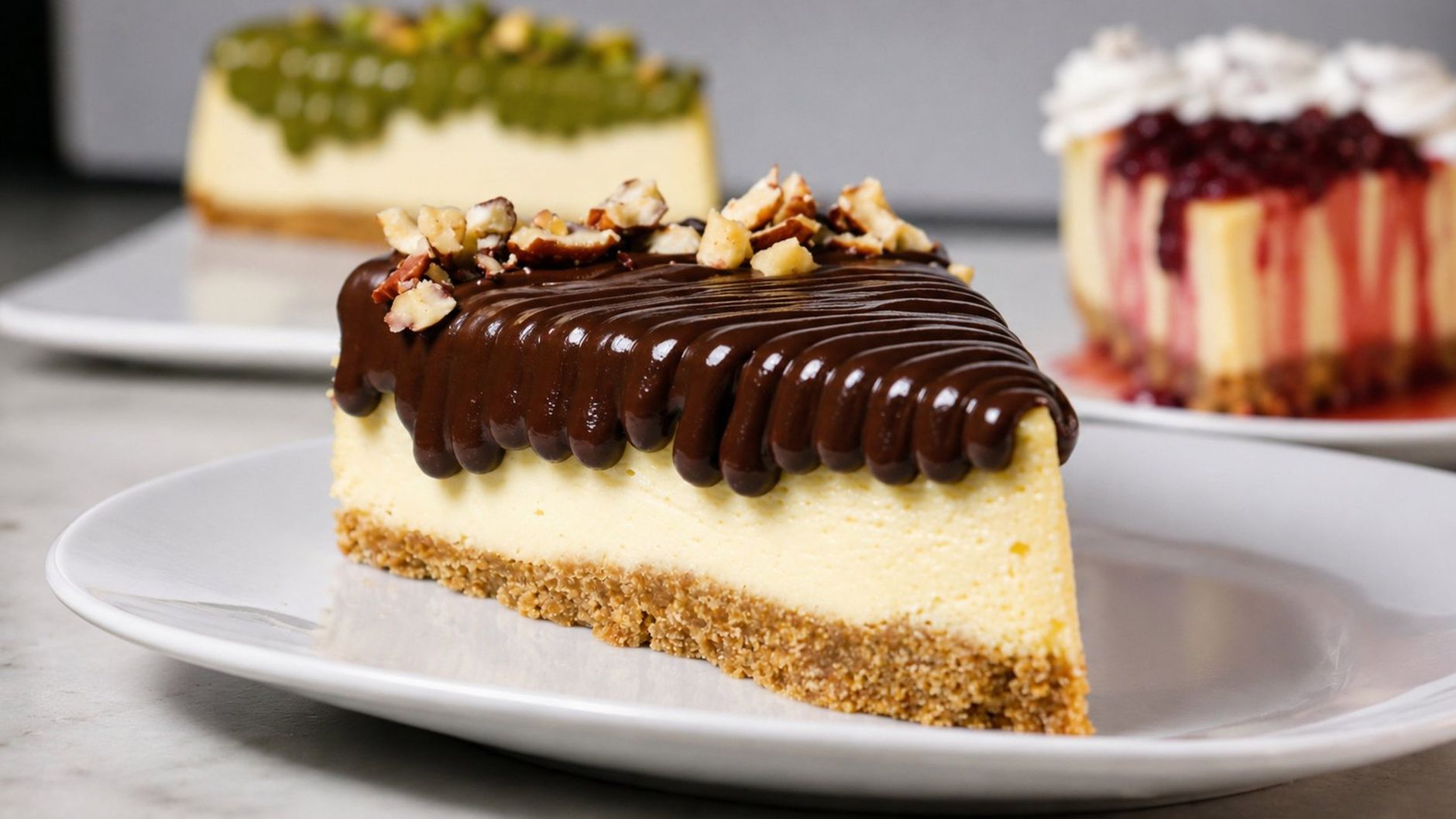
Cheesecake has become a beloved dessert around the world, cherished for its rich, creamy texture and flavors that range from fruity to decadent chocolate. Its popularity leads many to wonder about its origins, the history behind its evolution, and how it has transformed into the many varieties we enjoy today. This article delves into the intriguing history of cheesecake, tracing its roots from ancient civilizations to modern-day versions.
The journey of cheesecake is as delicious as the dessert itself. This article will explore the historical origins, the evolution of recipes over centuries, cultural variations, and the different types of cheesecakes you can create in your own kitchen.
Where Did Cheesecake Originate?
Cheesecake is thought to have originated in ancient Greece, where a cheesecake-like dessert was served to athletes during the first Olympic Games in 776 B.C. Over time, the dish spread to Rome, where it was adapted using local ingredients. Today, cheesecake takes on various forms, influenced by regional tastes and traditions.
Ancient Beginnings: Greek Influence
The earliest known cheesecake recipe dates back nearly 2,000 years to ancient Greece. Greeks mixed fresh cheese with honey and flour, creating a simple yet rich dish. This version would have had a grainy texture rather than the smooth creaminess we associate with cheesecake today. Such a dessert was often enjoyed during festivals and was considered a source of energy.
Roman soldiers also took this recipe with them as they conquered territories. The Romans made their own adaptations by incorporating eggs into the mixture and baking it within a pastry crust, moving toward the modern version we recognize now. As the Roman Empire expanded, so did the recipes and techniques for making cheesecake.
Cheesecake in Ancient Rome
In ancient Rome, cheesecakes underwent significant modifications. The Romans added ingredients like eggs and various sweeteners, becoming a dish suited for celebrations and feasts. They were often flavored with seasonal fruits, and honey was a common sweetener. The Romans developed a more custard-like texture that paved the way for future versions of the dessert.
Interestingly, ancient Roman texts provide insights into how cheesecakes were to be prepared. Recipes were often preserved in texts such as “Apicius,” a famed Roman cookbook, which served as a historical guide for making various dishes, including those similar to cheesecake.
Medieval and Renaissance Variations
As the Roman Empire fell, the techniques and recipes for cheesecake evolved during the Medieval period. The introduction of cream cheese in the 16th century, discovered by American settlers, began the transition towards the creamy cheesecakes we know today. This period also saw a growing interest in desserts, with cheesecakes becoming increasingly popular in Europe, particularly in England and France.
In England, cheesecakes began to be served at celebrations and feasts. They were made with a variety of cheeses and often included spices and flavorings such as lemon zest and nutmeg. Meanwhile, in France, the dessert became known as “tarte au fromage” and was made with a rich pastry crust, blending the sweet and savory elements traditional in French cuisine.
Modern Cheesecake: America’s Sweet Revolution
The modern cheesecake we know is largely attributed to the innovation of cream cheese in the United States. In the late 19th century, a New York State dairy farmer introduced Franklin Culinary Cream Cheese, leading to a richer, creamier version of cheesecake. It quickly became a staple in American households and bakeries.
New York-style cheesecake, characterized by its dense and creamy texture with a graham cracker crust, became immensely popular and represented the pinnacle of American cheesecake culture. This version often includes sour cream or heavy cream, resulting in its signature richness.
Cheesecake Variations Across Cultures
Today, cheesecake has diversified into countless variations, each reflecting local ingredients and cultural preferences. Here are some notable examples:
- Japanese Cheesecake: Known for its light, airy texture, this version is often described as a cross between a cheesecake and a soufflé.
- Italian Ricotta Cheesecake: Made with ricotta cheese, this cheesecake has a lighter texture and is often flavored with citrus or chocolate.
- German Käsekuchen: Made with quark, a fresh cheese, this cheesecake is typically lighter and fluffier compared to its American counterpart.
- No-Bake Cheesecake: A modern adaptation that often incorporates whipped cream or gelatin, resulting in a smooth, chilled dessert without the need for baking.
- Vegan Cheesecake: Using ingredients such as cashews or silken tofu as a base, this version caters to plant-based diets while retaining the creamy texture of traditional cheesecake.
Tips on Making Your Own Cheesecake
Creating your own cheesecake at home can be rewarding. Here are some essential tips to help you succeed:
- Choose Quality Ingredients: Use high-quality cream cheese and fresh ingredients for the best flavor.
- Room Temperature Ingredients: Allow your cream cheese and other dairy ingredients to come to room temperature for easier mixing and a smoother texture.
- Bake in a Water Bath: To prevent cracking, consider baking your cheesecake in a water bath (bain-marie) which ensures even cooking. Wrap the springform pan in foil to keep water from seeping in.
- Cooling Time: Allow the cheesecake to cool gradually in the oven after baking. This reduces the risk of cracking and leads to a creamier texture.
- Refrigerate Overnight: For the best flavor and texture, refrigerate the cheesecake overnight before serving, giving the flavors time to meld together.
Common Mistakes to Avoid
While making cheesecake may seem easy, there are pitfalls to watch out for:
- Overmixing: Too much mixing can incorporate air into the batter, leading to cracks during baking. Mix until just combined.
- Skipping the Water Bath: A water bath can significantly improve texture; skipping it can lead to unwanted cracks in the surface.
- Baking Too Long: Cheesecake should still have a slight jiggle in the center when it’s done to ensure a creamy texture.
- Not Considering Flavors: Don’t be afraid to experiment with different flavors like fruit purees, chocolate, or spices—but add them thoughtfully to maintain balance.
How to Serve and Store Cheesecake
Cheesecake is versatile and can be served in numerous ways:
- Top with fresh fruits, flavored sauces, or chocolate ganache for added flavor and texture.
- Garnish with whipped cream or a dusting of cocoa powder for an elegant touch.
- Slice into individual portions for parties or gatherings.
When it comes to storing cheesecake, follow these guidelines:
- Refrigeration: Store uneaten cheesecake in the refrigerator, tightly wrapped with plastic wrap, for up to five days.
- Freezing: Cheesecake freezes well; wrap in plastic and then foil to prevent freezer burn. It can be frozen for up to three months.
- Thawing: To thaw a frozen cheesecake, place it in the refrigerator overnight before serving.
Signature Cheesecake Recipes to Try
To fully embrace the wonders of cheesecake, consider trying out these signature recipes:
- Cherry Cheesecake – A classic topped with luscious cherries.
- Churro Cheesecake – A delightful twist on traditional cheesecake, combining flavors of cinnamon and sugar with a cheesecake base.
The Cultural Impact of Cheesecake
Cheesecake holds a significant place in various cultures, often associated with celebrations and special occasions. In the United States, it is a popular dessert for holidays such as Thanksgiving and birthdays, while in Japan, it has become a trendy item in bakeries, appealing to a younger audience with unique flavors and presentations.
Its presence in popular culture, from movies to cookbooks, has further solidified cheesecake as an enduring symbol of indulgence and satisfaction. The global adaptation of cheesecake speaks to its versatility and universal appeal across generations and culinary traditions.
Conclusion
Cheesecake’s journey from ancient Greece to the modern-day kitchen showcases its enduring popularity and adaptability. By appreciating its rich history and diverse variations, home bakers can create their unique versions while honoring the original flavors and textures. Whether you’re enjoying a classic New York-style cheesecake or a modern vegan version, this dessert continues to capture hearts around the world.
Explore related recipes, cooking tips, or food guides like the Cherry Cheesecake or Churro Cheesecake to further indulge your passion for this delightful dessert.