
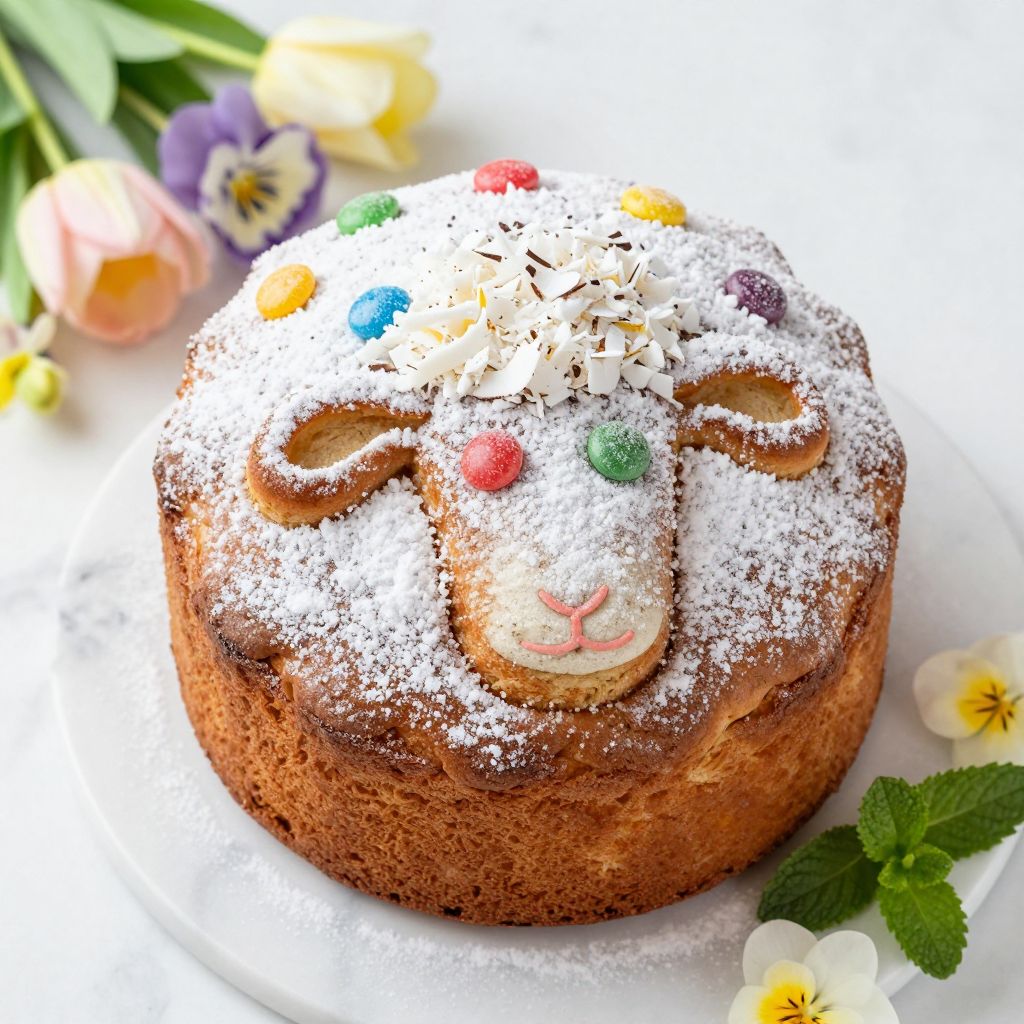
As the aroma of freshly baked cake wafts through my home, I am reminded of the joy and celebration that comes with Easter gatherings. The Easter Lamb Cake is more than just a dessert; it’s a beautiful centerpiece that sparks nostalgia and warmth, making it a beloved tradition in many families. With its tender texture, delightful sweetness, and charming shape, this cake is a showstopper that brings smiles to both kids and adults alike.
Why You’ll Love This Recipe
This Easter Lamb Cake is a delightful way to celebrate spring and family traditions.
- Stunning presentation that impresses guests.
- Rich flavor with a tender crumb.
- Customizable decorations to match your style.
- Fun to make with kids, creating precious memories.
- Perfect for both Easter brunch and dessert.
My Experience Making This Recipe
Making the Easter Lamb Cake always feels like a rite of spring for me. The joy on my children’s faces when they see the lamb take shape is priceless.
The laughter, the mess of flour, and the sweet aroma filling the kitchen make this a cherished family activity that we look forward to every year.
Recipe Overview
- Recipe Name: Easter Lamb Cake
- Servings: 12
- Prep Time: 30 minutes
- Cook Time: 45 minutes
- Total Time: 1 hour 15 minutes
- Course: Dessert
- Cuisine: American
- Calories per Serving: 250
Equipment You Will Need
- Two-part lamb cake mold
- Mixing bowls
- Electric mixer or whisk
- Spatula
- Baking sheet
- Cooling rack
- Decorating tools (piping bags, spatulas)
Ingredients for Easter Lamb Cake
- 2 cups all-purpose flour
- 1 ½ cups granulated sugar
- ½ cup unsalted butter, softened
- 1 cup whole milk
- 3 large eggs
- 1 tablespoon baking powder
- 1 teaspoon vanilla extract
- ½ teaspoon salt
- Powdered sugar for dusting
- Decorations (coconut flakes, candies, food coloring)
Ingredient Notes and Substitutions
- All-purpose flour: Provides structure; use cake flour for a lighter texture.
- Granulated sugar: Sweetens the cake; brown sugar can add a caramel flavor.
- Unsalted butter: Adds richness; coconut oil can be a dairy-free option.
- Whole milk: Keeps the cake moist; almond milk or soy milk are great alternatives.
- Powdered sugar: Perfect for dusting; you can use cocoa powder for a chocolate finish.
How to Make Easter Lamb Cake
Step 1: Prepare the Mold
Start by greasing your lamb cake mold thoroughly with butter or non-stick spray. This ensures the cake releases easily and keeps its shape.
Step 2: Preheat the Oven
Preheat your oven to 350°F (175°C). A properly heated oven is crucial for even baking and achieving that lovely golden color.
Step 3: Mix Dry Ingredients
In a mixing bowl, whisk together the flour, baking powder, and salt. This helps to evenly distribute the leavening agent for a fluffy cake.
Step 4: Cream Butter and Sugar
In another bowl, cream the softened butter and granulated sugar until light and fluffy. This step incorporates air, giving the cake a nice rise.
Step 5: Add Eggs and Vanilla
Beat in the eggs one at a time, followed by the vanilla extract. This adds flavor and moisture to your batter.
Step 6: Combine Mixtures
Gradually add the dry ingredients to the butter mixture, alternating with the milk. Mix until just combined to avoid overworking the batter.
Step 7: Fill the Mold
Pour the batter into the prepared mold, filling it about two-thirds full. This allows space for the cake to rise without overflowing.
Step 8: Bake
Bake in the preheated oven for 40 to 45 minutes or until a toothpick inserted in the center comes out clean. Baking time may vary based on your oven, so keep an eye on it.
Pro Tip: Let the cake cool in the mold for about 10 minutes before inverting it onto a cooling rack for a smooth release.
Tips for the Best Easter Lamb Cake
- Ensure all ingredients are at room temperature for better mixing.
- Don’t skip the cooling step; it helps the cake maintain its shape.
- Decorate with fresh flowers or colorful candies for a festive touch.
- Use coconut flakes to mimic lamb’s wool for a cute look.
- Experiment with flavors by adding lemon zest or almond extract.
Common Mistakes to Avoid
- Not greasing the mold properly can lead to a stuck cake.
- Overmixing the batter can result in a dense texture.
- Skipping the cooling time can cause breaking while removing from the mold.
- Using cold ingredients can affect the batter’s consistency.
- Not checking for doneness can lead to an undercooked center.
Serving Suggestions
Serve this charming cake with a side of whipped cream or vanilla ice cream for an indulgent treat.
- Fresh fruit compote for a refreshing touch.
- Classic vanilla ice cream to complement the sweetness.
- Chocolate sauce drizzle for extra decadence.
- Coconut whipped cream for a tropical twist.
- Pair with a light fruit salad for balance.
Variations to Try
- Add lemon zest for a citrusy flavor that brightens the cake.
- Incorporate chocolate chips for a richer taste.
- Use a different mold shape for a unique presentation.
- Top with cream cheese frosting for a delicious twist.
- Try a gluten-free flour blend for gluten-sensitive friends.
Dietary Adaptations
- Gluten-free: Substitute all-purpose flour with a gluten-free blend.
- Dairy-free: Use coconut oil and almond milk instead of butter and dairy milk.
- Vegan: Replace eggs with flax eggs and use plant-based milk.
- Low-carb/Keto: Use almond flour and a sugar substitute to lower carbs.
Storage and Reheating
Refrigerator
Store the cake in an airtight container in the fridge for up to 5 days.
- Wrap slices individually for easy access.
- Keep frosting separate until ready to serve.
Freezer
The cake can be frozen for up to 3 months.
- Wrap it tightly in plastic wrap and then in foil.
- Thaw in the refrigerator overnight before serving.
Reheating
Reheat slices in the microwave for about 10-15 seconds.
- Enjoy slightly warm for a comforting treat.
- Avoid overheating to prevent drying out.
Nutrition Information
| Nutrient | Amount |
|---|---|
| Calories | 250 |
| Total Fat | 10g |
| Saturated Fat | 6g |
| Carbohydrates | 38g |
| Fiber | 1g |
| Sugar | 20g |
| Protein | 4g |
| Sodium | 150mg |
| Cholesterol | 50mg |
This nutrition information is approximate and will vary based on specific ingredients and portion sizes.
Frequently Asked Questions
Can I make this cake ahead of time?
Absolutely! You can bake the cake a day in advance and store it wrapped in plastic wrap.
What can I use instead of eggs?
You can use flax eggs or applesauce as a substitute in this recipe.
How should I store leftovers?
Store any leftover cake in an airtight container in the refrigerator for up to 5 days.
What if my cake cracks while baking?
Cracking can happen if the oven temperature is too high; ensure it’s preheated correctly.
Can I decorate the cake the day before serving?
Yes, just make sure to keep it in the refrigerator to maintain freshness.
Final Thoughts
Making the Easter Lamb Cake is a delightful way to celebrate the season and create lasting memories with loved ones. Its charming design and delicious flavor make it a must-try for your Easter festivities.
So gather your ingredients, roll up your sleeves, and enjoy the process of creating this festive centerpiece. For more delicious recipes, explore the Easter Lamb Cake Recipe or check out our Ground Lamb Recipe for some tasty ideas.
Easter Lamb Cake
Ingredients
Equipment
Method
- Start by greasing your lamb cake mold thoroughly with butter or non-stick spray.
- Preheat your oven to 350°F (175°C).
- In a mixing bowl, whisk together the flour, baking powder, and salt.
- In another bowl, cream the softened butter and granulated sugar until light and fluffy.
- Beat in the eggs one at a time, followed by the vanilla extract.
- Gradually add the dry ingredients to the butter mixture, alternating with the milk.
- Pour the batter into the prepared mold, filling it about two-thirds full.
- Bake in the preheated oven for 40 to 45 minutes or until a toothpick inserted in the center comes out clean.
- Let the cake cool in the mold for about 10 minutes before inverting it onto a cooling rack.