
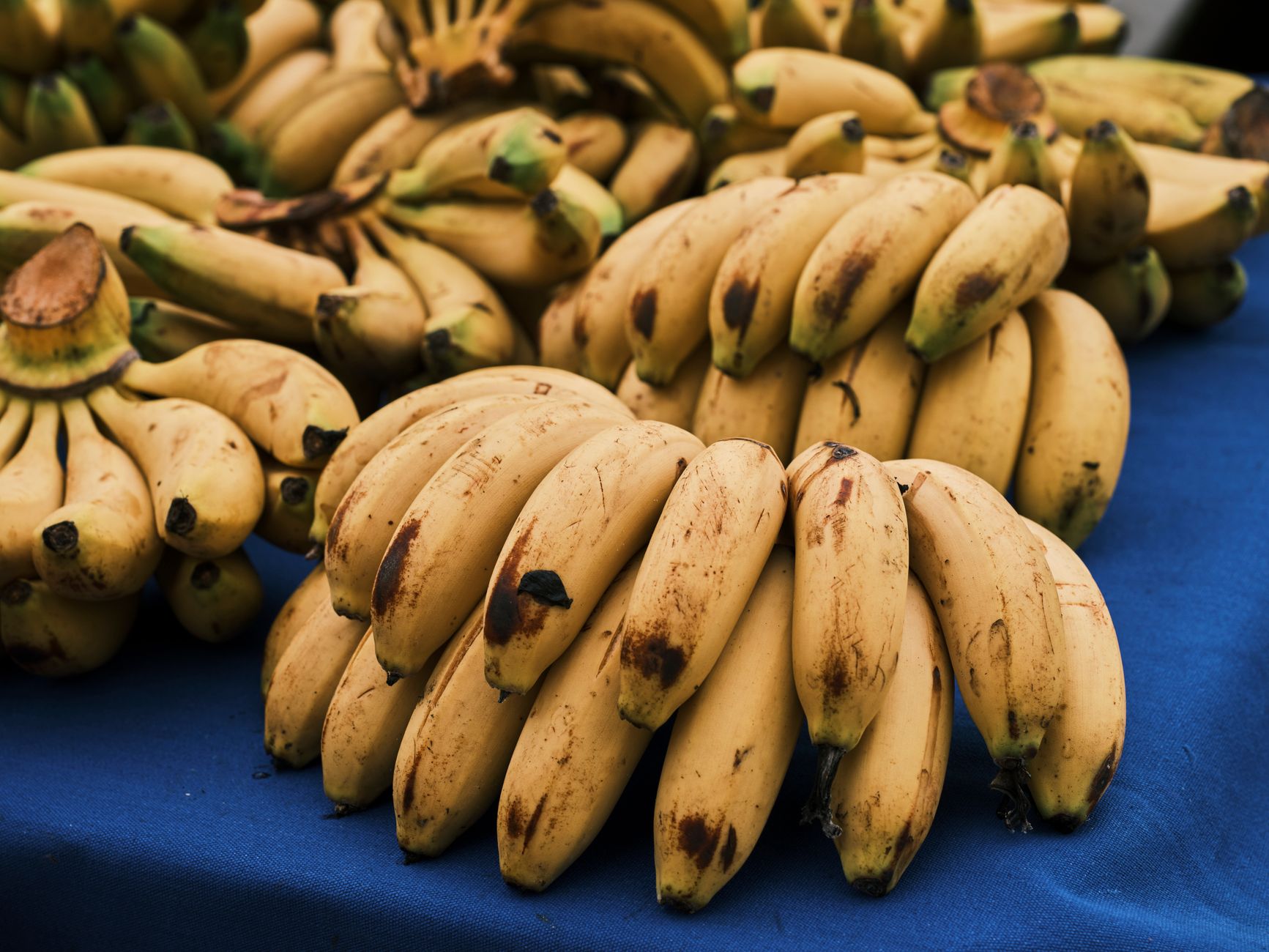
Bananas are a popular fruit, known for their convenience, natural sweetness, and nutritional benefits. But how many bananas can you eat in a day without risking adverse effects on your health? This article explores optimal serving sizes, nutritional content, and potential considerations to help you incorporate bananas thoughtfully into your diet.
Understanding how many bananas to consume daily depends on your dietary needs, activity level, and overall health goals. This guide will break down various factors that influence banana consumption and provide essential tips for enjoying this beloved fruit in moderation.
How Many Bananas Can I Eat a Day?
Generally, consuming 1 to 2 bananas a day is healthy for most individuals. However, the specific number may vary based on factors such as age, physical activity level, and dietary goals. It’s important to consider the nutritional content and balance your overall diet when incorporating bananas into your meals.
Nutritional Value of Bananas
To understand how many bananas might fit into your daily diet, it’s essential to look at their nutritional value. A medium banana (about 7-8 inches long) typically contains:
- Calories: 105
- Carbohydrates: 27 grams
- Dietary Fiber: 3 grams
- Sugar: 14 grams
- Protein: 1.3 grams
- Fat: 0.3 grams
- Vitamin C: 17% of the Daily Value (DV)
- Potassium: 12% of the DV
- Vitamin B6: 20% of the DV
Bananas are an excellent source of potassium and vitamin C and provide a good amount of dietary fiber, which is essential for digestive health. Their high carbohydrate content makes them a good energy source, especially for athletes or those with high physical activity levels.
Health Benefits of Eating Bananas
Incorporating bananas into your diet can yield several health benefits:
- Heart Health: The potassium content helps maintain blood pressure levels and supports overall heart health.
- Digestive Aid: The fiber found in bananas can help improve digestion and prevent constipation.
- Energy Boost: They provide quick energy, making them a great pre- or post-workout snack.
- Weight Management: Bananas can aid in weight management due to their fiber content, which can help you feel fuller for longer.
Factors to Consider When Eating Bananas
While bananas are nutritious, they do contain sugar and carbohydrates, which can be a consideration for specific dietary needs, such as low-carb or ketogenic diets. Here are some factors to keep in mind:
1. Activity Level
If you’re highly active, you may require more carbohydrates for energy. In this case, eating 2-3 bananas a day could be sensible. However, for those less active, 1 banana a day might be sufficient.
2. Diet Type
For those following high-carb diets, like the Mediterranean diet, consuming more bananas may fit well. Conversely, if you’re on a low-carb diet, limiting banana intake is advisable due to their higher carbohydrate content.
3. Blood Sugar Levels
Bananas have a moderate glycemic index, meaning they can impact blood sugar levels. If you have diabetes or are monitoring your sugar intake, it’s wise to consume bananas in moderation and consult a healthcare provider.
4. Caloric Intake
Consider your overall caloric needs. If you are following a calorie-restricted diet, eating several bananas might not align with your goals.
How to Enjoy Bananas
There are many delicious ways to incorporate bananas into your daily meals. Here are some ideas:
- Breakfast: Add sliced bananas to oatmeal or yogurt for added flavor and nutrition.
- Smoothies: Blend bananas with your favorite fruits and some leafy greens for a nutritious smoothie.
- Baking: Use mashed bananas in baking recipes for muffins, pancakes, and banana bread.
- Snacks: Enjoy bananas on their own or with nut butter for a quick, satisfying snack.
Common Mistakes When Eating Bananas
When adding bananas to your diet, be cautious of the following common mistakes:
- Overconsumption: Eating too many bananas can lead to excess sugar and carbohydrate intake. Stick to 1-2 bananas daily unless you have higher energy needs.
- Ignoring Ripeness: The ripeness of a banana affects its sugar content. Ripe bananas are sweeter and higher in sugar, while less ripe bananas have more resistant starch, which can be beneficial for blood sugar control.
- Pairing Unwisely: Be mindful of what you pair with bananas. Combining them with high-sugar foods can lead to excessive sugar intake.
Storage and Ripening
Storing bananas properly can help them last longer. Here are some tips:
- Store bananas at room temperature until they ripen; they should not be refrigerated initially as this may slow the ripening process.
- Once ripe, you can store bananas in the refrigerator to slow further ripening. The skin may turn brown, but the fruit inside will remain fresh.
- If you have overripe bananas, consider freezing them for use in smoothies or baking.
Alternative Fruits
While bananas are a fantastic fruit choice, incorporating a variety of fruits can enhance your diet. Here are some alternatives that you can occasionally mix into your routine:
- Apples: Lower in calories and provide fiber; they can keep you feeling full.
- Berries: Packed with antioxidants and lower in sugar than bananas, berries are great in smoothies and desserts.
- Oranges: High in vitamin C and hydration, oranges are refreshing and provide a different flavor profile.
When to Consult a Healthcare Provider
If you’re unsure about how many bananas are appropriate for your diet, or if you have specific health concerns (like diabetes or kidney issues), consult a healthcare provider or a registered dietitian. They can provide personalized recommendations based on your individual nutritional needs.
Conclusion
In general, 1-2 bananas a day can be a beneficial addition to a balanced diet due to their natural sweetness and nutritional content. Being mindful of your activity level, dietary needs, and overall health is crucial when determining the right amount of bananas for you.
Feel free to explore more about bananas, including their fiber content at How Much Fiber in Banana and their origins at Where Do Bananas Come From. Enjoy experimenting with this versatile fruit in your daily meals!