
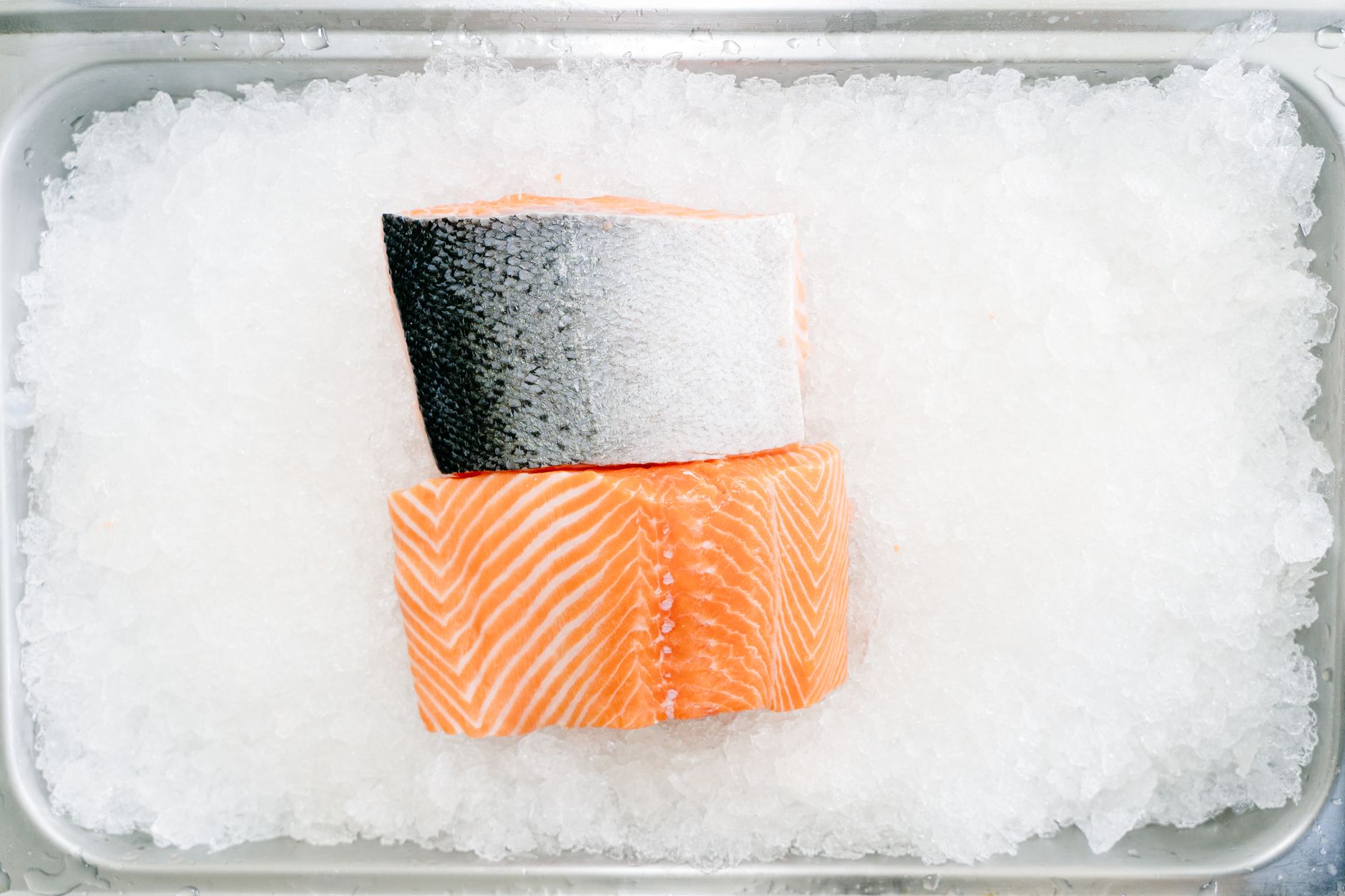
Determining whether salmon is classified as a white fish can be a bit misleading. Generally, when we think of white fish, we consider species such as cod, tilapia, or haddock. Salmon, however, is commonly referred to as a “red fish” due to its distinct color and flavor profile. Understanding this distinction helps in culinary applications, meal planning, and dietary choices.
This comprehensive guide will explore the differences between salmon and white fish, provide tips on cooking salmon, and offer serving ideas that make this nutrient-rich fish a staple in your kitchen.
Is Salmon a White Fish?
Salmon is not classified as a white fish; it belongs to the family Salmonidae, which includes other species like trout. Its flesh is typically pink to reddish, rich in omega-3 fatty acids, and known for its robust flavor. This contrasts with white fish varieties, which generally have milder tastes and lighter-colored flesh.
Characteristics of Salmon
Salmon is unique not just in color but also in its flavor, texture, and nutritional content. Understanding these characteristics can help when deciding how to prepare and serve it.
Flavor and Texture
The flavor of salmon varies by species, with some types being more buttery or oily than others. Here’s a quick overview of popular salmon types:
- Atlantic Salmon: Known for its rich flavor and high-fat content.
- Chinook Salmon: Also called king salmon, it’s the fattiest and has a melt-in-your-mouth texture.
- Coho Salmon: Offers a milder taste with a firm texture.
- Sockeye Salmon: Known for its deep red color and stronger taste.
- Pink Salmon: The mildest flavor, typically lighter in both color and fat content.
In terms of texture, salmon has a distinctive flaky quality when cooked, which can be a wonderful complement to its richness.
Nutritional Value
Salmon is considered one of the healthiest fish options available. Here’s a snapshot of its nutritional benefits:
- Rich in Omega-3 Fatty Acids: Essential for heart health, brain function, and overall well-being.
- High in Protein: Helps in muscle development and repair.
- Contains Essential Vitamins and Minerals: Including vitamin B12, vitamin D, selenium, and potassium.
Common Culinary Uses of Salmon
Given its unique flavor and nutritional profile, salmon is a versatile ingredient in various culinary applications. Below are some popular cooking methods and dish ideas for incorporating salmon into your meals.
Cooking Methods
There are several effective ways to cook salmon, each offering a different flavor and texture experience:
- Grilling: Adds a smoky flavor. Ensure to oil the grill grates to prevent sticking.
- Baking: A healthier option; wrap in foil with herbs and lemon for a light dish.
- Pan-Searing: Ideal for a crispy skin. Heat the pan before adding salmon, and cook skin-side down.
- Poaching: A gentle cooking method that keeps the fish moist. Use broth or water with herbs and spices.
- Smoking: Imparts a deep flavor; use wood chips or a smoker for the best results.
Popular Salmon Dishes
Salmon can be enjoyed in many forms. Here are some creative serving ideas:
- Salmon Fillets: Simply seasoned and baked or grilled, allowing the fish’s natural flavor to shine.
- Salmon Salad: Shredded or flaked salmon mixed with greens, vegetables, and a light vinaigrette.
- Salmon Cakes: Combine flaked salmon with breadcrumbs and herbs, shaped into patties and pan-fried.
- Sushi or Sashimi: Raw salmon served with soy sauce, wasabi, and pickled ginger.
- Salmon Tacos: Flaked salmon with fresh salsa and avocado in a tortilla.
How to Choose the Best Salmon
When shopping for salmon, quality is key. Here’s how to select the best fish:
Freshness Indicators
Assessing the freshness of salmon is essential for a pleasant culinary experience. Look for the following:
- Color: Vibrant pink to reddish flesh indicates freshness. Avoid salmon that appears dull or has brown spots.
- Scent: Fresh salmon should smell mild and slightly briny, reminiscent of the ocean. A strong fishy odor suggests spoilage.
- Texture: The flesh should be firm to the touch and spring back when pressed.
Choosing Wild vs. Farmed Salmon
Another consideration when selecting salmon is whether to choose wild or farmed varieties:
- Wild Salmon: Typically has more flavor and a firmer texture. It generally has less fat than farmed fish.
- Farmed Salmon: More widely available and often more affordable, but it can have a milder taste and higher fat content.
Preparing Salmon for Cooking
Proper preparation can enhance the cooking process and the final dish’s flavor. Here’s how to effectively prepare salmon:
Cleaning and Filleting
For whole salmon, follow these steps for cleaning and filleting:
- Start by rinsing the salmon under cold water to remove any residual slime or impurities.
- Place the fish on a cutting board. Use a sharp knife to make a cut just behind the gills and down to the backbone.
- Run the knife along the spine of the fish to separate the fillet from the bones.
- Repeat on the other side. Remove any pin bones with fish pliers.
Marinating Salmon
Marinating salmon enhances its flavor. Here are some effective marinade ideas:
- Soy Sauce and Ginger: Combine soy sauce, ginger, garlic, and a touch of honey for an Asian-inspired flavor.
- Citrus Marinade: Blend fresh lemon juice, olive oil, and herbs for a zesty option.
- Herbed Mustard Glaze: Mix Dijon mustard with fresh herbs and olive oil for a tangy topping.
Common Mistakes When Cooking Salmon
A few common pitfalls can lead to less than stellar results when cooking salmon. Watch out for these mistakes:
- Overcooking: Salmon should be cooked until it flakes easily with a fork but remains moist. A food thermometer should read 125°F (51.6°C) for medium-rare.
- Ignoring Doneness: Cooking by time alone can lead to over or undercooked fish. Instead, monitor its appearance and texture.
- Not Using Enough Flavor: Salmon can handle bold flavors. Don’t shy away from herbs, spices, and marinades.
Storing and Reheating Salmon
Proper storage ensures that your salmon remains fresh and safe to eat. Here’s how to store and reheat salmon effectively:
Storage Guidelines
- Fresh salmon should ideally be cooked within one to two days. Store it in the coldest part of the refrigerator, preferably wrapped in parchment paper or sealed in an airtight container.
- If you need to store leftover cooked salmon, keep it in the refrigerator for up to three days in a sealed container.
- Frozen salmon can maintain its quality for up to six months. Freeze in a vacuum-sealed bag or tightly wrapped in plastic wrap.
Reheating Tips
To ensure that the texture and flavor remain intact, use these reheating methods:
- Oven: Preheat to 275°F (135°C) and place salmon in a baking dish covered with foil. Heat for about 20 minutes.
- Skillet: Heat on low with a bit of oil for about 5 minutes until warmed through.
- Microwave: If time is limited, use medium power to heat, covering the dish to retain moisture.
Conclusion
Understanding that salmon is not classified as a white fish is essential for making informed choices in the kitchen. With its distinctive flavor and versatility, salmon is a delightful ingredient that can elevate many meals. Whether you’re grilling a fillet or incorporating it into a salad, knowing how to select, prepare, and cook salmon will enhance your culinary repertoire.
To explore related recipes, cooking tips, or food guides, check out how to cook tilapia or learn how to tell if salmon is bad.