
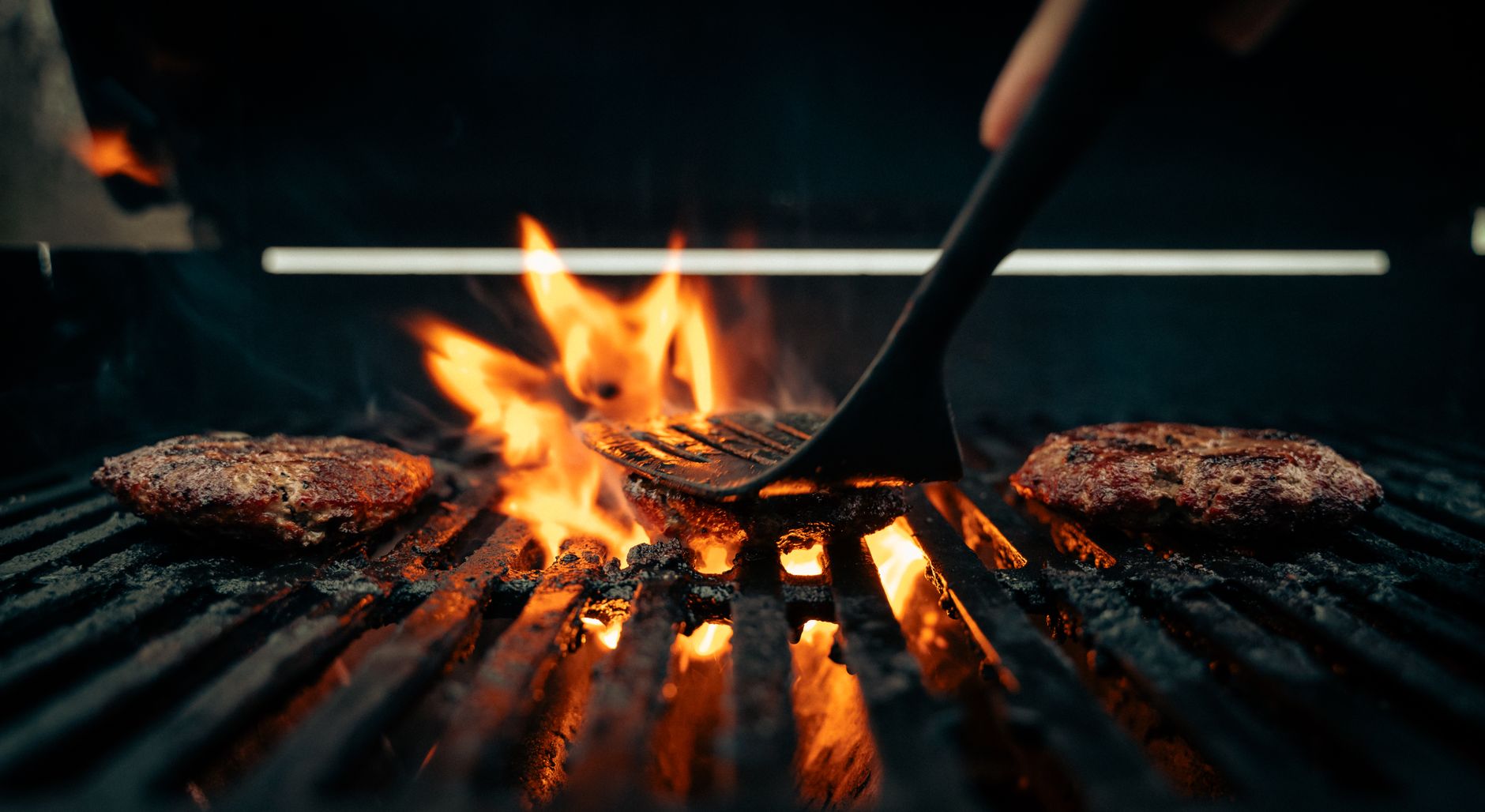
Burgers are a staple in many diets, offering endless possibilities for customization, especially when it comes to seasoning. The right seasoning can elevate your burger from ordinary to extraordinary by enhancing its flavor and creating a delightful taste experience. Whether you’re grilling in the backyard or frying on the stovetop, knowing what to season your burgers with is essential.
This guide explores various seasoning options, providing practical tips on when and how to use them for the best results. You’ll learn not only about classic flavors but also about unique twists that can make your burger stand out at your next cookout.
What Should I Season My Burgers With?
When it comes to seasoning burgers, you have several options ranging from simple salt and pepper to complex spice blends. The type of seasonings you choose can depend on your personal preferences and the style of burger you’re aiming to create.
The Basics of Burger Seasoning
The most fundamental seasonings for burgers consist of salt and pepper, but there’s so much more you can do. Understanding the role each type of seasoning plays in flavor development is crucial. Here’s a breakdown:
- Salt: Enhances the natural flavors of the beef and helps retain moisture. It’s ideal to use kosher salt or sea salt for even distribution.
- Black Pepper: Adds a spicy kick and complement to the richness of the beef. Freshly ground black pepper works best.
When to Add Basic Seasonings
For best results, season your burgers just before cooking. Salt draws moisture out of the meat, so if you season too early, your burger may become dry. A sprinkle of salt and pepper right before cooking allows you to lock in juices while enhancing the flavor.
Exploring Flavor Profiles
Moving beyond salt and pepper can open up a world of flavor. Here are some essential seasoning options to consider and how they can change your burger game:
1. Garlic Powder and Onion Powder
Garlic and onion powders add a savory depth to your burger. They are a great base for many seasoning blends:
- Usage: Mix a teaspoon of each into your ground beef before forming patties.
- Flavor Profile: Rich and aromatic with a slight sweetness.
2. Paprika and Smoked Paprika
Paprika provides a mild sweetness and vibrant color, while smoked paprika lends a deep, smoky flavor that pairs well with grilled meats:
- Usage: Add a teaspoon of paprika when mixing the meat.
- Flavor Profile: Sweet and smoky, enhancing richness.
3. Worcestershire Sauce
This liquid seasoning adds umami, giving a savory depth to your burgers. It’s a great option for mixed-in flavor:
- Usage: Mix a tablespoon per pound of beef before forming patties.
- Flavor Profile: Tangy and rich, boosting meatiness.
4. Mustard Powder and Dijon Mustard
Mustard can introduce sharpness and contrasting flavor that cuts through the richness of beef:
- Usage: Blend one teaspoon of mustard powder into the beef mixture.
- Flavor Profile: Tangy and slightly spicy.
5. Chili Powder and Cumin
For those who enjoy a touch of heat, chili powder and cumin can create a southwestern flair:
- Usage: Add a teaspoon of chili powder and ½ teaspoon of cumin per pound of meat.
- Flavor Profile: Earthy, warm, and spicy.
Seasoning Blends for Burgers
If you’re looking to simplify your approach, consider using pre-made seasoning blends specifically designed for burgers. Here are some popular options:
1. Burger Seasoning Blend
This blend typically includes garlic, onion, paprika, black pepper, and salt:
- Usage: Use one tablespoon per pound of beef.
- Flavor Profile: A well-rounded, savory taste that complements most seasonings.
2. Montreal Steak Seasoning
This robust blend features coarsely ground pepper, garlic, and coriander, ideal for those who enjoy a hearty taste:
- Usage: Use about one tablespoon for every pound of meat.
- Flavor Profile: Strong, meaty taste with a bit of crunch and spice.
3. Italian Seasoning
For a twist that hints at Mediterranean flavors, Italian seasoning can be a surprising addition:
- Usage: Mix in a teaspoon per pound of beef.
- Flavor Profile: Herbaceous and slightly sweet, ideal for gourmet burgers.
Specialty Seasonings for Unique Burgers
If you’re looking to create something truly unique, consider specialty seasonings like:
1. Sriracha or Hot Sauce
Adding a kick to your burger can be done easily with hot sauces:
- Usage: Mix in a teaspoon or more to taste.
- Flavor Profile: Spicy and tangy, enhancing the meat without overpowering it.
2. Teriyaki Sauce or Marinade
For an Asian twist, teriyaki sauce adds sweetness and umami:
- Usage: Incorporate a tablespoon into the beef mixture.
- Flavor Profile: Sweet and savory with a hint of ginger and garlic.
3. Cilantro and Lime
For a fresh twist, cilantro and lime juice can create a refreshing burger:
- Usage: Chopped cilantro and a squeeze of lime per pound of beef.
- Flavor Profile: Bright and zesty, perfect for a summery feel.
Vegan and Vegetarian Alternates
For those who prefer plant-based options, seasoning is just as crucial. Here are suggestions for veggie burgers:
1. Garlic and Onion Powder
These essential elements help anchor the flavor in plant-based patties:
- Usage: Use the same amounts as in meat-based recipes.
2. Nutritional Yeast
This vegan favorite adds a cheesy, umami flavor:
- Usage: Mix a tablespoon into bean or veggie patty mixtures.
- Flavor Profile: Nutty and cheesy, enhancing overall depth.
3. Soy Sauce
For enhancing flavor in non-meat patties, soy sauce adds a savory element:
- Usage: Mix in about a tablespoon during preparation.
- Flavor Profile: Rich and salty, complementing the primary ingredients.
Combining Seasonings
Creating a unique blend can enhance your burger even further. Mixing spices can lead to interesting results and tailored flavor. When combining, consider the proportions and ensure no one flavor overpowers the rest.
Creating Your Own Burger Blend
- Start with a base of 1 tablespoon kosher salt.
- Add 1 teaspoon each of black pepper, garlic powder, and onion powder.
- Incorporate any additional flavors, such as paprika or chili powder, to your taste.
- Mix thoroughly and use immediately or store in an airtight container for future use.
Timing: When to Season Your Burger
Timing is important in the seasoning process. Here’s a practical guide to when to season:
- Before Cooking: Seasoning just before cooking usually leads to the juiciest burgers.
- During Preparation: When mixing the patty, season well to ensure even distribution.
- No More Than 30 Minutes Before Cooking: If you need to season early, do so no later than 30 minutes prior to avoid dry patties.
Common Mistakes in Seasoning
Even the best ingredients can lead to subpar results if not approached correctly. Here are some common pitfalls:
- Over-seasoning: Too much salt can make a burger inedible. Start small and adjust.
- Seasoning Too Early: Allowing meat to sit with salt for too long can lead to moisture loss.
- Ignoring Quality of Meat: Seasoning cannot compensate for the low-quality meat, so select good cuts or blends.
Serving Suggestions for Seasoned Burgers
Once your burger is seasoned, it’s essential to think about what toppings and condiments pair best with your chosen flavors:
- Classic Toppings: Lettuce, tomato, and onion for traditional burgers.
- Cheese Options: Cheddar, blue cheese, or smoked gouda can complement various spices.
- Special Sauces: Consider sriracha mayo or garlic aioli for added flavor contrast.
Make-Ahead Guidance
Seasoning your burgers ahead of time is simple and can save time on busy days. Here’s how:
- Prepare a Seasoning Blend: Mix your spices and store them in an airtight container.
- Form Patties: Season patties can be made a day in advance and stored in the refrigerator.
- Freeze for Later: Freeze seasoned patties for easy preparation at a later date, using parchment paper between to prevent sticking.
Storage and Reheating Recommendations
If you have leftover seasoned burgers or unformed patties, here are some must-know tips:
- Refrigerate: Store any raw, seasoned patties in an airtight container for up to two days.
- Freeze: Wrap uncooked patties tightly in plastic wrap and store in the freezer for up to three months.
- Reheat Carefully: Cooked burgers can be reheated on a stovetop or grill until they reach a minimum internal temperature of 165°F (73.9°C).
Understanding how to season burgers effectively can truly enhance your cooking and dining experiences. By selecting the right flavors, combining them thoughtfully, and timing your application, you’ll create burgers that are delicious and memorable. The beauty of burgers lies in their versatility, so don’t hesitate to experiment with what flavors suit your palate best.
Now that you have a solid grasp of burger seasonings, it’s time to explore more resources for perfecting your cooking skills. Check out the chicken taco seasoning recipe for a delicious twist on a favorite or the Montreal steak seasoning recipe to elevate your next meat dish.