
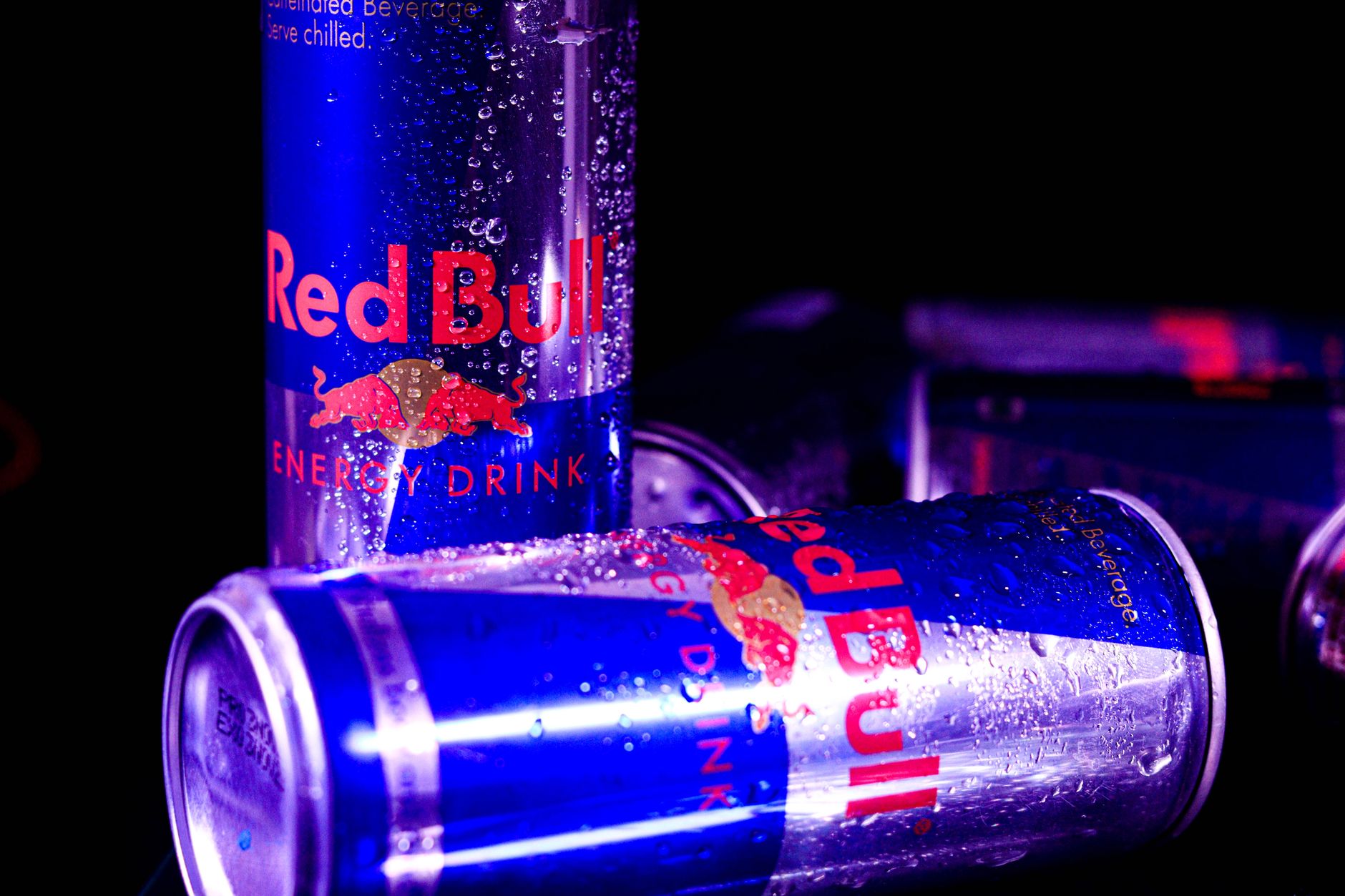
Energy drinks have surged in popularity over the years, offering consumers a quick boost of energy thanks to their caffeine content. For many, understanding caffeine levels is crucial for daily beverage choices. This article will provide an in-depth look at the caffeine content in various energy drinks per can, examining what that means for your health and how to make informed decisions.
As the energy drink market grows, so does the variety available. From traditional options to sugar-free versions and organic alternatives, there’s something for everyone. Whether you’re a sports enthusiast, a student, or someone working through a long day, knowing how much caffeine you’re consuming can help you manage your energy levels effectively.
What Is Caffeine and How Does It Work?
Caffeine is a natural stimulant that affects the central nervous system, temporarily warding off fatigue and increasing alertness. It’s found in various plants, including coffee beans, tea leaves, and cacao pods. When consumed, caffeine blocks adenosine, a neurotransmitter that promotes sleep, leading to increased wakefulness and concentration. Understanding how caffeine works in your body will empower you to make better choices regarding energy drinks.
Why Monitor Caffeine Intake?
Excessive caffeine consumption can lead to side effects such as jitteriness, insomnia, rapid heartbeat, and digestive issues. The FDA recommends a maximum of 400 milligrams of caffeine per day for most adults, roughly equivalent to four 8-ounce cups of brewed coffee. Monitoring your intake from energy drinks is essential, as some contain significantly higher amounts. This section details caffeine content in popular energy drinks to help you evaluate your choices.
Caffeine Content in Popular Energy Drinks Per Can
Below is a comprehensive table outlining the caffeine content found in various energy drinks commonly available on the market, measured per 12-ounce can.
| Energy Drink | Caffeine Content (mg) |
|---|---|
| Red Bull | 111 |
| Monster Energy | 160 |
| Rockstar Energy | 160 |
| 5-hour Energy | 200 |
| AMP Energy | 142 |
| Baws Energy Drink | 300 |
| NOS Energy Drink | 160 |
| Bang Energy | 300 |
| Adrenaline Shoc | 300 |
Understanding the Differences in Caffeine Content
The differences in caffeine content across various brands can be attributed to formula variations and target demographics. For instance, brands like Bang and Adrenaline Shoc pack higher caffeine content for serious athletes or those requiring extended energy. Conversely, Red Bull and similar brands offer a lighter option suitable for casual consumers.
A Closer Look at Some Top Brands
Red Bull
With 111 milligrams of caffeine per 12-ounce can, Red Bull is a staple in the energy drink market. It’s often favored for its moderate energy boost without an overwhelming caffeine level, making it appealing to a broader audience.
Monster Energy
Monster punches in at 160 milligrams per can, featuring various flavors and formulations, including sugar-free options. The taste and variety often attract younger consumers and those engaged in extreme sports.
5-hour Energy
While typically sold in 2-ounce shots, 5-hour Energy delivers a potent 200 milligrams of caffeine, concentrated into a small serving. This format is popular for its convenience, especially among individuals seeking a quick energy boost without the bulk of a full drink.
Bang Energy
At the high end of the scale, Bang Energy offers a whopping 300 milligrams of caffeine per can. It also includes amino acids and electrolytes, targeting fitness enthusiasts who need both energy and recovery support.
Effects of Different Caffeine Levels
Understanding the effects of varying caffeine levels can help manage expectations. A lower caffeine drink like Red Bull may cause a gentle lift in energy and alertness, while a high-caffeine drink like Bang can lead to a more intense boost, which may not suit everyone.
Health Considerations and Safety Guidelines
When consuming energy drinks, being aware of potential health risks is important. Some individuals may experience heightened sensitivity to caffeine, causing symptoms like anxiety or rapid heart rate even at lower levels. It’s crucial to check the total caffeine content in combination with other sources, such as coffee or tea, in your daily intake.
Common Side Effects of Excessive Caffeine
- Jitters and restlessness
- Increased heart rate
- Digestive issues
- Sleep disturbances
- Headaches
Who Should Limit Caffeine Intake?
Certain groups should exercise caution when it comes to caffeine consumption:
- Pregnant individuals
- People with heart conditions
- Individuals with anxiety disorders
- Children and adolescents
Making Informed Choices When Consuming Energy Drinks
With many options on the market, it’s vital to choose wisely. Here are some tips to help you make informed decisions:
- Read labels: Check for total caffeine content alongside other ingredients.
- Consider purpose: Choose drinks with the appropriate caffeine level for your activities, whether studying, exercising, or simply needing an afternoon pick-me-up.
- Combine wisely: Avoid consuming multiple caffeine sources at once, as this can lead to excessive intake.
- Stay hydrated: Drink water alongside energy drinks to balance hydration levels.
Alternatives to Traditional Energy Drinks
If you’re looking to reduce caffeine intake or seek alternatives, there are several options available:
Natural Energy Boosters
- Green tea: Contains caffeine along with beneficial antioxidants and a milder energy boost.
- Yerba mate: A South American drink that provides a unique blend of caffeine and other stimulating compounds.
- Coconut water: Hydrating and replenishing, coconut water serves as a refreshing alternative.
Conclusion and Closing Thoughts
Understanding the caffeine content in energy drinks is essential for making informed choices to manage your energy levels and overall health. With a variety of options available, you can select a drink that best meets your needs while staying within recommended caffeine limits.
For further exploration, consider reading about caffeine in Diet Dr. Pepper or how much caffeine is in chai tea. These resources can provide additional insight into caffeine consumption and its sources.