
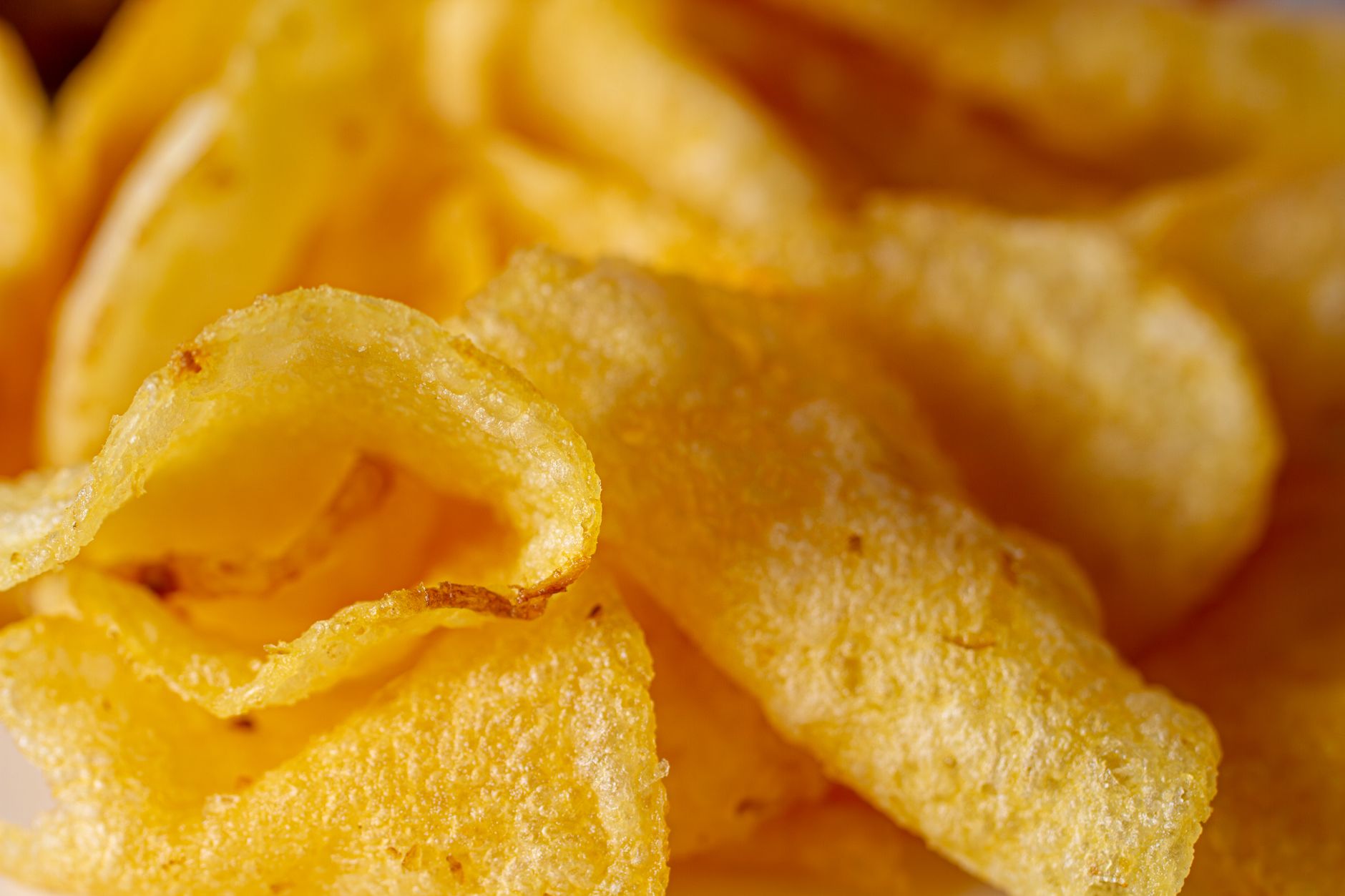
Chips are a beloved snack enjoyed by many for their crunchy texture and flavorful taste. But just like any food item, they have a shelf life and can expire. Understanding how to store chips, their expected lifespan, and signs of spoilage can help you enjoy them at their best.
This guide will delve into the question, “Do chips expire?” along with information on shelf life, proper storage methods, and how to identify when your chips are past their prime.
Do Chips Expire?
Yes, chips do expire. While they may not spoil in the traditional sense like perishable foods, they can lose their quality and become stale or rancid over time. The expiration date can vary based on the type of chips and how they are stored.
Understanding Shelf Life
The shelf life of chips depends on several factors, including the type of chips, packaging, and storage methods. Generally, potato chips, corn chips, tortilla chips, and other similar snacks can last for several weeks to months. Most commercially packaged chips have a printed expiration or best-by date, which can help you gauge their freshness.
Types of Chips and Their Shelf Life
- Potato Chips: Typically last 2-3 months past the printed date if unopened, and about 1 month once opened.
- Tortilla Chips: Can last up to 6 months unopened and about 2-3 weeks after opening.
- Vegetable Chips: These usually have a similar shelf life to potato chips, lasting around 2-3 months unopened.
- Cheese Puffs or Puffed Snacks: Generally last around 3-4 months sealed and about a month when opened.
Storage Methods for Chips
Proper storage methods can significantly influence the longevity and taste of your chips. Here are some effective strategies to extend their shelf life:
1. Keep Them Sealed
Always store chips in their original, unopened packaging for the best shelf life. Once opened, make sure they are tightly resealed.
2. Use Airtight Containers
If you have opened a bag, transfer the chips to an airtight container. This reduces their exposure to air, light, and moisture, preventing them from becoming stale.
3. Store in a Cool, Dry Place
Keep your chips in a pantry or cupboard away from humidity and direct sunlight to maintain their quality. Avoid storing them in the fridge or freezer since moisture can lead to sogginess upon thawing.
Signs of Spoilage in Chips
1. Stale Texture
When chips lose their crunch and become soft, they are stale. Although stale chips are not harmful, they may be less enjoyable. The texture can often be revived somewhat by briefly baking them
2. Off Odor
A rancid smell can indicate spoiled oils in the chips. If you detect any off-putting odors, it is best to discard the chips.
3. Discoloration or Visible Mold
If you notice any changes in color or the presence of mold, it’s important to throw the chips away. Mold can grow in unexpected areas, especially in damp conditions.
Extended Shelf Life Tips
If you want to make your chips last even longer, there are a few more tricks you can implement:
1. Buying in Bulk
If you regularly eat chips, buying in bulk can be cost-effective. Just remember to store them properly to maximize their shelf life.
2. Opt for Vacuum-Sealed Packaging
Vacuum-sealed chips have a longer shelf life due to reduced air exposure. Look for these options when purchasing snacks.
3. Practice FIFO (First In, First Out)
When purchasing new bags of chips, make sure to eat the older ones first to avoid waste. Labeling containers with purchase dates can also help track freshness.
How to Know When to Toss Chips
If you’re ever in doubt about whether your chips are still good to eat, it’s safer to discard them. While they don’t typically harbor harmful pathogens, eating stale or rancid snacks isn’t pleasant. Here are tips to confidently determine whether to toss:
- Check the Best-By Date: If it’s significantly past the label date and there are visible signs of spoilage, toss them.
- Use Your Senses: Rely on your nose and taste. If they smell or taste off, avoid eating them.
- Feel the Texture: If they no longer have that crispy crunch, it may be time to say goodbye.
Alternatives to Traditional Chips
If you’re looking for healthier or fresher alternatives, consider these options:
1. Homemade Chips
Making chips at home allows you to control ingredients and avoid preservatives. You can make potato, sweet potato, or vegetable chips baked in the oven or fried.
2. Popped Snacks
Popcorn and other popped snacks can provide a similar crunch without the added oils and preservatives often found in commercial chips.
3. Baked or Air-Fried Alternatives
Look for baked or air-fried versions of chips which typically use less oil, making them a healthier option. They often retain a similar flavor and texture.
Common Questions About Chips
Can chips really go bad?
While chips won’t spoil like perishable foods, they can go stale, lose flavor, and become unappetizing over time. Signs of spoilage also include off odors, discoloration, and texture changes.
How can I use stale chips?
Stale chips can be repurposed in various ways, such as using them in casseroles, as a crunchy topping for salads, or blending them into crumbs for breading or crusts.
Repurposing and Using Leftover Chips
If you find yourself with leftover or stale chips, consider these creative uses:
1. Crumbs for Toppings
Crush stale chips and use them as a topping for casseroles or baked dishes to add crunch.
2. Salad Toppings
Sprinkle crushed chips over salads for added texture and flavor. They can replace croutons.
3. Soup Garnish
Add crushed chips to soups or chili for a crunchy garnish, enhancing the texture of your dish.
Conclusion
Chips can be a delightful snack, but it’s essential to understand their shelf life and proper storage practices to get the most out of them. By knowing when chips expire, how to store them effectively, and recognizing spoilage signs, you can ensure your chips are fresh and enjoyable each time you reach for a bag. Keep these tips in mind, and you’ll be able to savor every crunchy bite for as long as possible.
For more food-related insights, check out our articles on do chia seeds go bad and do popcorn kernels go bad. Exploring this information will help you make informed choices in the kitchen for various ingredients.