
Picture this: a buttery, flaky pie crust fresh from the oven, golden brown and ready to cradle your favorite filling. This Single Pie Crust Recipe is a classic essential for any home baker, offering a delightful texture and rich flavor that elevates both sweet and savory pies alike. It’s easy to whip up and requires minimal ingredients, making it a go-to for busy weeknights or special occasions. Let’s get started on creating that perfect crust!
Why You’ll Love This Recipe
This pie crust is a staple in any kitchen for several reasons.
- Flaky texture that melts in your mouth.
- Simple ingredients you probably already have.
- Quick to prepare, so you can focus on the filling.
- Versatile enough for both sweet and savory pies.
- Great for make-ahead baking to save time later.
My Experience Making This Recipe
When I first tackled this pie crust, I was amazed at how simple it was. The smell of butter and flour mixing together is one of those comforting kitchen scents that brings back memories of my grandmother baking in her cozy kitchen.
Every time I roll out this crust, it takes me back. Friends and family rave about the flaky texture, and I love the compliments that come my way. It’s become a favorite in my home, and I’m sure it will be in yours too.
Recipe Overview
- Recipe Name: Single Pie Crust
- Servings: 8
- Prep Time: 15 minutes
- Cook Time: 30 minutes
- Total Time: 45 minutes
- Course: Dessert
- Cuisine: American
- Calories per Serving: 150
Equipment You Will Need
- Mixing bowl
- Pastry cutter or fork
- Rolling pin
- Pie dish
- Plastic wrap
Ingredients for Single Pie Crust
- 1 1/4 cups all-purpose flour
- 1/2 cup unsalted butter, chilled and cubed
- 1/4 teaspoon salt
- 3–4 tablespoons ice water
Ingredient Notes and Substitutions
- All-purpose flour: This creates a tender crust. You can substitute with whole wheat flour for a nuttier flavor.
- Unsalted butter: It adds richness. Use margarine or a dairy-free butter for a dairy-free option.
- Salt: Enhances flavor. If you use salted butter, you can omit this ingredient.
- Ice water: Helps bind the dough. You can use cold milk for an extra rich flavor.
How to Make Single Pie Crust
Step 1: Combine Dry Ingredients
In a mixing bowl, whisk together the flour and salt until well combined. This ensures even distribution of the salt throughout the flour.
Step 2: Cut in the Butter
Add the chilled, cubed butter to the flour mixture. Using a pastry cutter or fork, cut the butter into the flour until the mixture resembles coarse crumbs.
Step 3: Add Ice Water
Slowly add 3 tablespoons of ice water to the mixture. Stir gently with a fork, adding more water if needed until the dough holds together without being wet or sticky.
Step 4: Form the Dough
Turn the dough out onto a lightly floured surface. Gather it into a ball and then flatten it into a disk, which makes rolling easier.
Step 5: Chill the Dough
Wrap the dough disk in plastic wrap and refrigerate for at least 30 minutes. Chilling firms up the butter, which helps create a flaky texture.
Step 6: Roll Out the Dough
Once chilled, remove the dough from the refrigerator. On a floured surface, roll it out to about 1/8-inch thickness, ensuring it’s large enough to fit your pie dish.
Step 7: Transfer to Pie Dish
Carefully transfer the rolled-out dough to your pie dish. Gently press it into the dish, being careful not to stretch the dough, which can cause cracking.
Step 8: Trim and Crimp the Edges
Trim any excess dough hanging over the edges of the pie dish. Crimp the edges with your fingers or a fork for a decorative touch.
Pro Tip: Always keep the dough chilled until you are ready to bake for a flakier crust.
Tips for the Best Single Pie Crust
- Use cold ingredients, especially butter, to achieve maximum flakiness.
- Do not overwork the dough; mix just until combined for a tender crust.
- Chill the dough before rolling it out to keep the butter firm.
- Roll out the dough evenly for uniform baking and a perfect shape.
- Consider blind baking if you are using a non-custard filling to prevent a soggy bottom.
Common Mistakes to Avoid
- Using warm butter can lead to a tough crust; always keep it chilled.
- Overmixing the dough makes it tough; mix just until combined.
- Skipping the chilling step will prevent flakiness in the crust.
- Not rolling the dough evenly can cause uneven baking.
- Ignoring the edges can result in burnt crust; crimp them for a nice finish.
Serving Suggestions
This pie crust pairs well with a variety of fillings, making it incredibly versatile.
- Classic apple pie
- Rich chocolate cream pie
- Savory chicken pot pie
- Fresh berry tart
- Quiche with seasonal vegetables
Variations to Try
- Add a tablespoon of sugar for a sweeter crust perfect for dessert pies.
- Incorporate ground nuts for a nutty flavor and added texture.
- Use whole wheat flour for a heartier crust that adds a unique taste.
- Mix in herbs for a savory crust that complements quiches or meat pies.
- Try using coconut oil for a dairy-free option that still holds up well.
Dietary Adaptations
- Gluten-free: Substitute with a gluten-free flour blend, ensuring the texture remains light.
- Dairy-free: Use coconut oil or a dairy-free butter alternative for a similar richness.
- Vegan: Replace butter with a vegan alternative and use cold water.
- Low-carb/keto: Use almond flour instead of all-purpose flour for a low-carb option.
Storage and Reheating
Refrigerator
Store any unused dough wrapped tightly in plastic wrap for up to 3 days.
- Keep in the coldest part of the fridge.
Freezer
For longer storage, freeze the dough for up to 3 months.
- Wrap tightly in plastic wrap and then in foil.
Reheating
To reheat a baked pie, warm it in a preheated oven until heated through.
- Cover the crust with foil if it browns too quickly.
Nutrition Information
| Nutrient | Amount |
|---|---|
| Calories | 150 |
| Total Fat | 10g |
| Saturated Fat | 6g |
| Carbohydrates | 13g |
| Fiber | 0g |
| Sugar | 0g |
| Protein | 2g |
| Sodium | 125mg |
| Cholesterol | 20mg |
This information is approximate and can vary based on specific ingredients used.
Frequently Asked Questions
Can I make this pie crust ahead of time?
Yes, you can prepare the dough in advance and store it in the refrigerator or freezer until you are ready to use it.
What if my dough is too crumbly?
If the dough is too crumbly, add more ice water, a teaspoon at a time, until it holds together.
How do I prevent a soggy bottom crust?
Blind baking the crust for a few minutes before adding the filling can help prevent sogginess.
Can I use this crust for savory pies?
Absolutely! This crust works just as well for savory fillings like quiches and pot pies.
What’s the best way to roll out the dough?
Roll out the dough between two sheets of parchment paper to prevent sticking and make cleanup easier.
Final Thoughts
Now that you have the perfect Single Pie Crust Recipe in your arsenal, you can tackle any pie with confidence. Enjoy the process, and don’t forget to share your delicious creations with loved ones.
If you’re looking for more pie crust inspiration, check out this Betty Crocker pie crust recipe or try making a savory chicken pot pie crust to impress your guests!
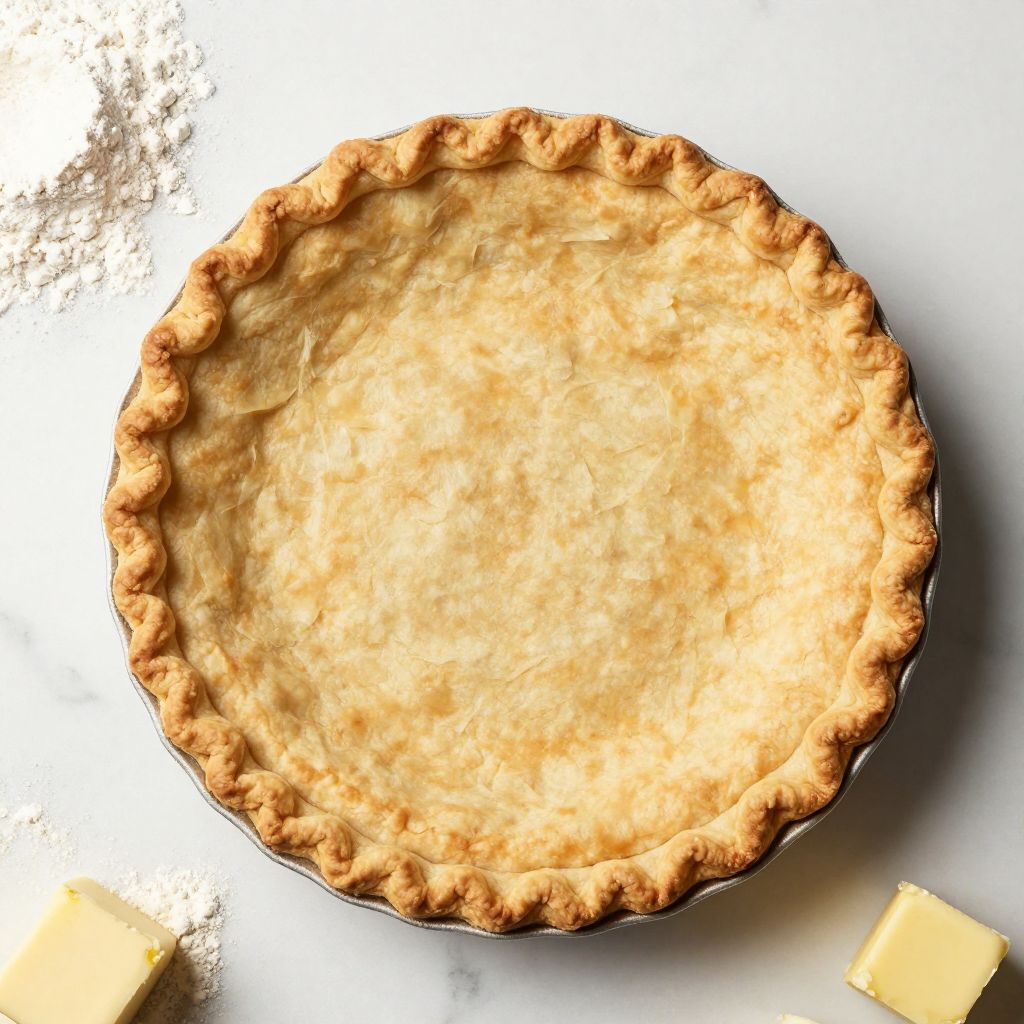
Single Pie Crust
Ingredients
Equipment
Method
- In a mixing bowl, whisk together the flour and salt until well combined.
- Add the chilled, cubed butter to the flour mixture. Using a pastry cutter or fork, cut the butter into the flour until the mixture resembles coarse crumbs.
- Slowly add 3 tablespoons of ice water to the mixture. Stir gently with a fork, adding more water if needed until the dough holds together without being wet or sticky.
- Turn the dough out onto a lightly floured surface. Gather it into a ball and then flatten it into a disk.
- Wrap the dough disk in plastic wrap and refrigerate for at least 30 minutes.
- Once chilled, remove the dough from the refrigerator. On a floured surface, roll it out to about 1/8-inch thickness.
- Carefully transfer the rolled-out dough to your pie dish. Gently press it into the dish.
- Trim any excess dough hanging over the edges of the pie dish and crimp the edges.