
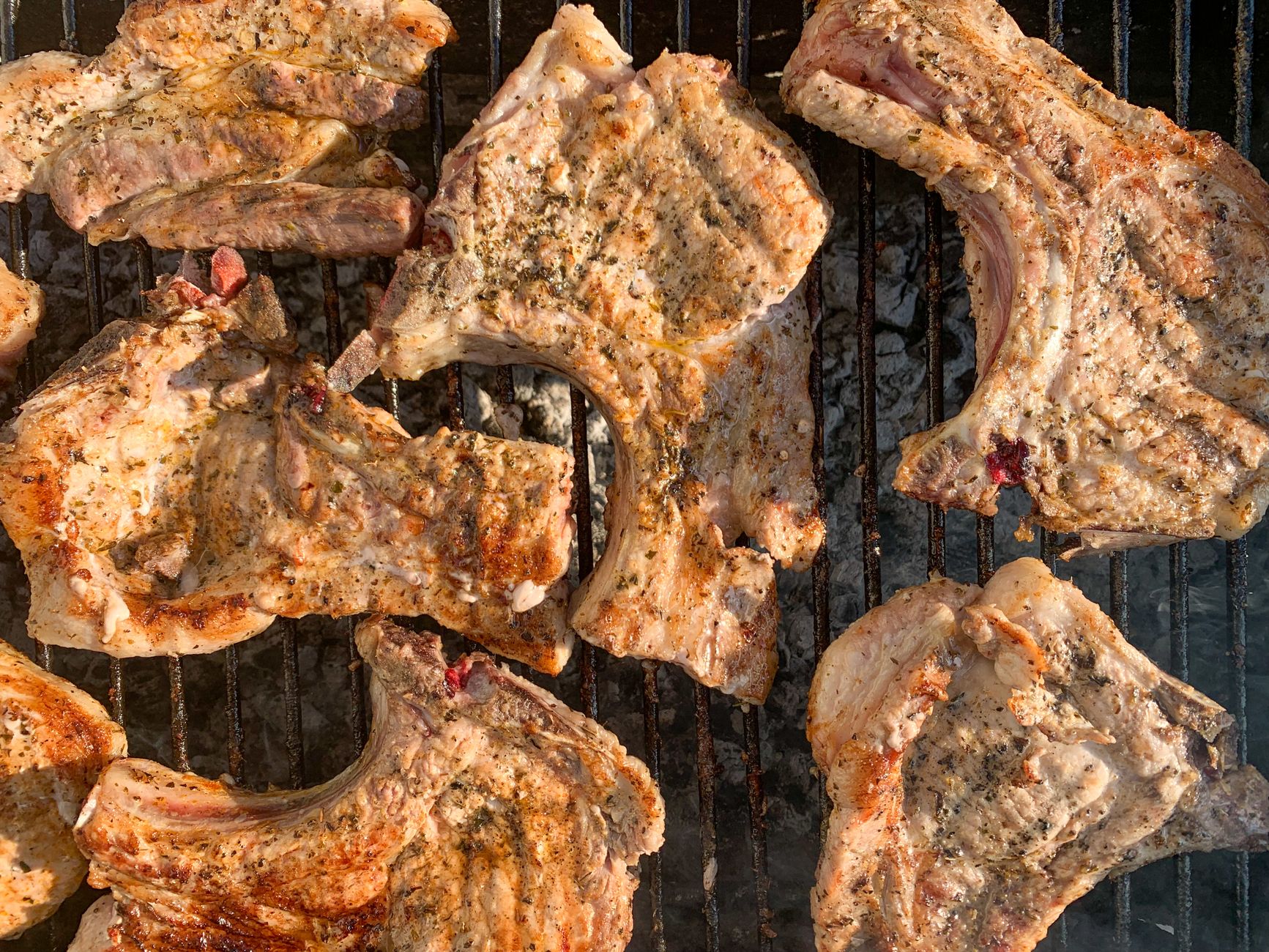
Pork is one of the most widely consumed meats globally, often featured in various cuisines and dishes. But as health-conscious consumers become more aware of their dietary choices, many wonder: is pork healthy for you? This article explores the nutritional profile of pork, its potential health benefits, considerations for consumption, and how to enjoy pork as part of a balanced diet.
Pork is rich in essential nutrients, but like any meat, its health implications depend on factors such as the cut of meat, the method of preparation, and portion sizes. Let’s delve deeper into the nutritional facts of pork, possible health benefits, and practical cooking tips for incorporating it into your meals.
Is Pork Healthy for You?
Yes, pork can be healthy when consumed in moderation and prepared properly. It is a good source of protein, vitamins, and minerals, which are essential for various bodily functions. However, the healthiness of pork largely depends on the specific cut and how it is cooked.
Nutritional Profile of Pork
Pork offers a range of nutrients that contribute to a balanced diet. Below is a closer look at what pork contains:
- Protein: Pork is an excellent source of high-quality protein, which is vital for muscle building, repair, and overall body function.
- Vitamins: Pork is a source of several B vitamins, including B1 (thiamine), B3 (niacin), B6, and B12, which play roles in energy production and brain health.
- Minerals: Pork contains important minerals such as zinc, iron, and phosphorus. These minerals support the immune system, help transport oxygen in the blood, and promote strong bones.
- Fat: The fat content varies between cuts of pork. While some cuts are lean, others can be higher in saturated fats, which may impact heart health if consumed in excess.
Common Cuts of Pork and Their Nutritional Value
Understanding the different cuts of pork can help you make healthier choices. Here are some common cuts with their nutritional profiles:
- Pork Tenderloin: One of the leanest cuts, 3 oz (85 g) contains about 120 calories, 22 g of protein, and 3 g of fat.
- Pork Chops: A 3 oz serving contains approximately 150 calories, 24 g of protein, and 5 g of fat, depending on the cut.
- Ground Pork: This can vary significantly in fat content. A 3 oz serving may have around 215 calories, with 19 g of protein and 15 g of fat for higher-fat versions.
- Bacon: Typically higher in fat, 3 slices contain about 180 calories, 12 g of protein, and 15 g of fat, which includes saturated fats.
Health Benefits of Pork
Pork can provide several health benefits when included in a balanced diet. Here are some potential advantages:
Rich in High-Quality Protein
The high protein content in pork supports muscle growth and repair. Protein is essential for maintaining muscle mass, especially as we age. Including pork in your meals can help meet dietary protein needs.
Source of Essential Vitamins and Minerals
Vitamins and minerals found in pork contribute to various bodily functions. B vitamins aid in metabolism, while zinc is crucial for immune function. Regularly including pork can help maintain these essential nutrient levels.
Supports Heart Health with Lean Cuts
Opting for lean cuts of pork, such as tenderloin or loin chops, can provide heart-healthy options. These cuts have less saturated fat than fatty options, making them suitable for those monitoring cardiovascular health.
Considerations When Consuming Pork
While pork can be nutritious, there are several factors to consider for health:
Fat Content
Different cuts of pork vary significantly in fat content. Higher-fat cuts contribute more saturated fat, which can impact heart health if consumed excessively. Choosing leaner cuts is advisable for those monitoring fat intake.
Sodium Levels in Processed Pork
Processed pork products, such as bacon or sausages, can be high in sodium and preservatives. Excessive sodium intake can lead to high blood pressure and related health concerns. It’s best to consume these products occasionally and choose lower-sodium varieties when available.
Cooking Methods Matter
The way pork is cooked can affect its healthiness. Frying or cooking with excessive added fats can increase calorie content and unhealthy fat intake. Healthier cooking methods include grilling, baking, or simmering.
How to Include Pork in Your Diet
Incorporating pork into your meals can be simple and delicious. Here are some practical cooking tips and recipe ideas:
Cooking Techniques
Different cooking techniques can enhance the flavor while maintaining the health benefits of pork:
- Grilling: Grilling pork can impart great flavors without added fats.
- Baking: Baking pork, especially in marinades, can keep it juicy and flavorful.
- Sautéing: Use minimal oil when sautéing lean cuts for a healthy option.
Flavor Pairing Ideas
Pork pairs well with a wide array of flavors. Here are some complementary ingredients:
- Fruits: Apples, pineapples, and pears provide a sweet contrast to savory pork.
- Herbs: Rosemary, thyme, and sage enhance the natural flavors of pork.
- Spices: Paprika, garlic powder, and black pepper can add depth to pork dishes.
Healthy Pork Recipe Ideas
To help you get started, here are two healthy pork recipes you might enjoy:
Pork Chop Marinade Recipe
This flavorful marinade enhances the taste of pork chops while keeping them juicy. It takes about 10 minutes to prepare, plus marinating time.
- Ingredients:
- 4 pork chops (bone-in or boneless)
- 1/4 cup olive oil
- 1/4 cup soy sauce (low-sodium)
- 2 tablespoons honey
- 2 cloves garlic, minced
- 1 teaspoon ground black pepper
- 1 tablespoon fresh thyme, chopped
- Preparation Steps:
- In a bowl, mix together olive oil, soy sauce, honey, garlic, black pepper, and thyme.
- Place pork chops in a resealable bag or dish; pour marinade over the pork, ensuring it is well coated. Seal and refrigerate for at least 1 hour, or overnight for more flavor.
- Preheat the grill or oven (375°F/190°C). Remove pork from marinade and discard the remaining marinade.
- If grilling, cook for about 6-7 minutes per side, or until internal temperature reaches 145°F (63°C). For baking, place on a lined baking sheet and bake for approximately 20-25 minutes.
Boneless Pork Ribs Recipe
These tender boneless pork ribs are perfect for a family dinner. They can be cooked in the oven or on a grill.
- Ingredients:
- 2 pounds boneless pork ribs
- 1 cup BBQ sauce (low-sugar option recommended)
- 1 tablespoon paprika
- 1 tablespoon garlic powder
- 1 tablespoon onion powder
- 1 teaspoon salt
- 1 teaspoon black pepper
- Preparation Steps:
- Preheat the oven to 300°F (150°C).
- Mix paprika, garlic powder, onion powder, salt, and pepper in a bowl. Rub this mixture over the pork ribs.
- Place the ribs in a roasting pan and cover with foil. Bake for 2.5 hours.
- Remove the foil, brush with BBQ sauce, and bake for an additional 30 minutes, uncovered.
- Alternatively, grill the ribs over medium heat for about 15-20 minutes, basting with BBQ sauce until cooked through.
Storage and Reheating
Storing and reheating pork properly can help maintain its quality and safety:
- Storage: Cooked pork can be refrigerated for up to three days. Store it in an airtight container to keep it fresh.
- Freezing: If you want to extend shelf life, cooked pork can be frozen for up to six months. Ensure it’s in a vacuum-sealed bag or airtight container.
- Reheating: When reheating, ensure the pork reaches a safe internal temperature of 165°F (74°C) to eliminate any bacteria.
Final Thoughts
Pork can be a healthy addition to your diet when consumed in moderation and prepared with care. By selecting lean cuts, utilizing healthy cooking methods, and pairing with nutritious sides, you can enjoy pork while maintaining a balanced diet. Being mindful of portion sizes and sodium levels in processed pork products can also help you make healthier choices.
For delicious pork marinades and recipes, explore our Pork Chop Marinade Recipe and try our Boneless Pork Ribs Recipe. Whether you’re grilling, baking, or slow-cooking, there’s a way to enjoy pork that fits your health needs and culinary preferences.