
Picture this: a beautifully seared piece of halibut, its golden crust giving way to tender, flaky fish. This Halibut Recipe Pan Seared is a delight, bringing a taste of the ocean right into your kitchen, while being quick enough for a weeknight dinner. It’s not just about the flavor; it’s about the texture—the crispy exterior contrasting with the moist, buttery interior. With a few simple steps and ingredients, you’ll have a dish that impresses without the fuss. Let’s dive into the details!
Why You’ll Love This Recipe
This recipe is a crowd-pleaser, perfect for any occasion.
- Quick cooking time—ready in under 30 minutes.
- Healthful and light, making it ideal for a balanced meal.
- Versatile—perfect with various sides or sauces.
- Simple ingredients that pack a flavorful punch.
My Experience Making This Recipe
When I first made this dish, I was blown away by how easily it came together. The aroma of the halibut sizzling in the pan was enough to make my mouth water.
As I plated it, the golden crust looked restaurant-worthy, and the taste did not disappoint. I served it to friends, and they couldn’t believe how simple it was to create something so delicious.
Recipe Overview
- Recipe Name: Halibut Recipe Pan Seared
- Servings: 2
- Prep Time: 10 minutes
- Cook Time: 15 minutes
- Total Time: 25 minutes
- Course: Main Course
- Cuisine: Seafood
- Calories per Serving: 280
Equipment You Will Need
- Non-stick skillet
- Spatula
- Meat thermometer (optional)
- Paper towels
Ingredients for Halibut Recipe Pan Seared
- 2 halibut fillets (about 6 ounces each)
- Salt (to taste)
- Pepper (to taste)
- 2 tablespoons olive oil
- 1 tablespoon butter
- 1 lemon (for juice and zest)
Ingredient Notes and Substitutions
- Halibut fillets: This fish is mild and flaky, making it ideal for pan-searing. You can substitute with cod or tilapia if needed.
- Olive oil: It provides flavor and helps achieve a nice crust. Avocado oil is a good alternative.
- Butter: Adds richness to the dish. You can use ghee for a dairy-free option.
- Lemon: Fresh lemon juice brightens the dish. Lime juice can work in a pinch.
How to Make Halibut Recipe Pan Seared
Step 1: Prepare the Fish
Start with your halibut fillets. Pat them dry with paper towels to remove excess moisture, ensuring a crispy sear.
Step 2: Season the Fillets
Sprinkle salt and pepper on both sides of the fillets. This enhances the flavor and helps create that lovely crust.
Step 3: Heat the Skillet
Place a non-stick skillet over medium-high heat and add olive oil. Make sure the oil is shimmering but not smoking before adding the fish.
Step 4: Sear the Halibut
Carefully place the fillets in the skillet. Cook for about 4-5 minutes on the first side without moving them to develop a golden crust.
Step 5: Flip the Fish
Using a spatula, gently flip the fillets. The fish should release easily from the pan if it has formed a good crust.
Step 6: Add Butter and Lemon
Add the butter to the pan and squeeze fresh lemon juice over the fish. This adds richness and enhances the flavor.
Step 7: Finish Cooking
Cook for an additional 3-4 minutes, or until the fish reaches an internal temperature of 145°F. This ensures it’s fully cooked but still flaky.
Step 8: Serve
Remove the halibut from the skillet and let it rest for a minute. Drizzle with remaining lemon juice and zest before serving.
Pro Tip: Use a meat thermometer to check for doneness—overcooked halibut can become dry.
Tips for the Best Halibut Recipe Pan Seared
- Use fresh halibut for the best flavor; frozen can be watery.
- Make sure your pan is hot enough to create a good sear.
- Don’t overcrowd the pan; cook in batches if necessary.
- Let the fish rest briefly after cooking for juicier results.
- Experiment with different herbs for added flavor, like dill or parsley.
Common Mistakes to Avoid
- Not drying the fish properly can prevent a good sear.
- Flipping too soon can cause the fish to stick and break apart.
- Cooking on too low heat results in a pale, soggy texture.
- Overcooking leads to dry, tough fish; watch the time closely.
Serving Suggestions
This halibut pairs beautifully with a variety of sides and sauces.
- Steamed asparagus or green beans for a fresh touch.
- Quinoa or rice to soak up the flavors.
- A light salad with mixed greens and vinaigrette.
- Garlic mashed potatoes for a cozy comfort food vibe.
Variations to Try
- Add a splash of white wine to the skillet for a richer sauce.
- Top with a mango salsa for a tropical twist.
- Incorporate fresh herbs like thyme or rosemary for added aroma.
- Serve with a creamy dill sauce for extra indulgence.
Dietary Adaptations
- Gluten-free: This recipe is naturally gluten-free—no substitutions needed.
- Dairy-free: Replace butter with olive oil or coconut oil.
- Low-carb/keto: This dish is already low in carbs; enjoy as is.
Storage and Reheating
Refrigerator
Store leftover halibut in an airtight container in the refrigerator for up to 2 days.
- Keep the fish separate from any sides to maintain texture.
Freezer
Freezing is not ideal for cooked halibut as it may affect texture, but you can freeze it if necessary.
- Wrap tightly in plastic wrap and then in foil to prevent freezer burn.
Reheating
Reheat gently in a skillet over low heat to avoid drying out.
- Add a splash of water or broth to steam while reheating.
Nutrition Information
| Nutrient | Amount |
|---|---|
| Calories | 280 |
| Total Fat | 18g |
| Saturated Fat | 4g |
| Carbohydrates | 0g |
| Fiber | 0g |
| Sugar | 0g |
| Protein | 32g |
| Sodium | 600mg |
| Cholesterol | 80mg |
This nutritional information is approximate and can vary based on specific ingredients used.
Frequently Asked Questions
Can I use frozen halibut for this recipe?
Yes, but make sure to thaw it completely and pat dry before cooking to avoid excess moisture.
How can I make this ahead of time?
Prep the halibut and season it ahead, but cook right before serving for the best texture.
How do I store leftovers?
Store in an airtight container in the refrigerator for up to 2 days for best quality.
My halibut turned out dry; what happened?
This can happen if it’s overcooked; always check the internal temperature.
What sides go well with pan-seared halibut?
Try serving with steamed vegetables, rice, or a fresh salad for a balanced meal.
Final Thoughts
This Halibut Recipe Pan Seared is a treasure that can elevate your weeknight dinners. It’s simple, elegant, and deliciously satisfying.
Give it a try, and you might find it becomes a regular in your meal rotation. For more delicious seafood options, check out this baked haddock recipe or this seared ahi tuna recipe.
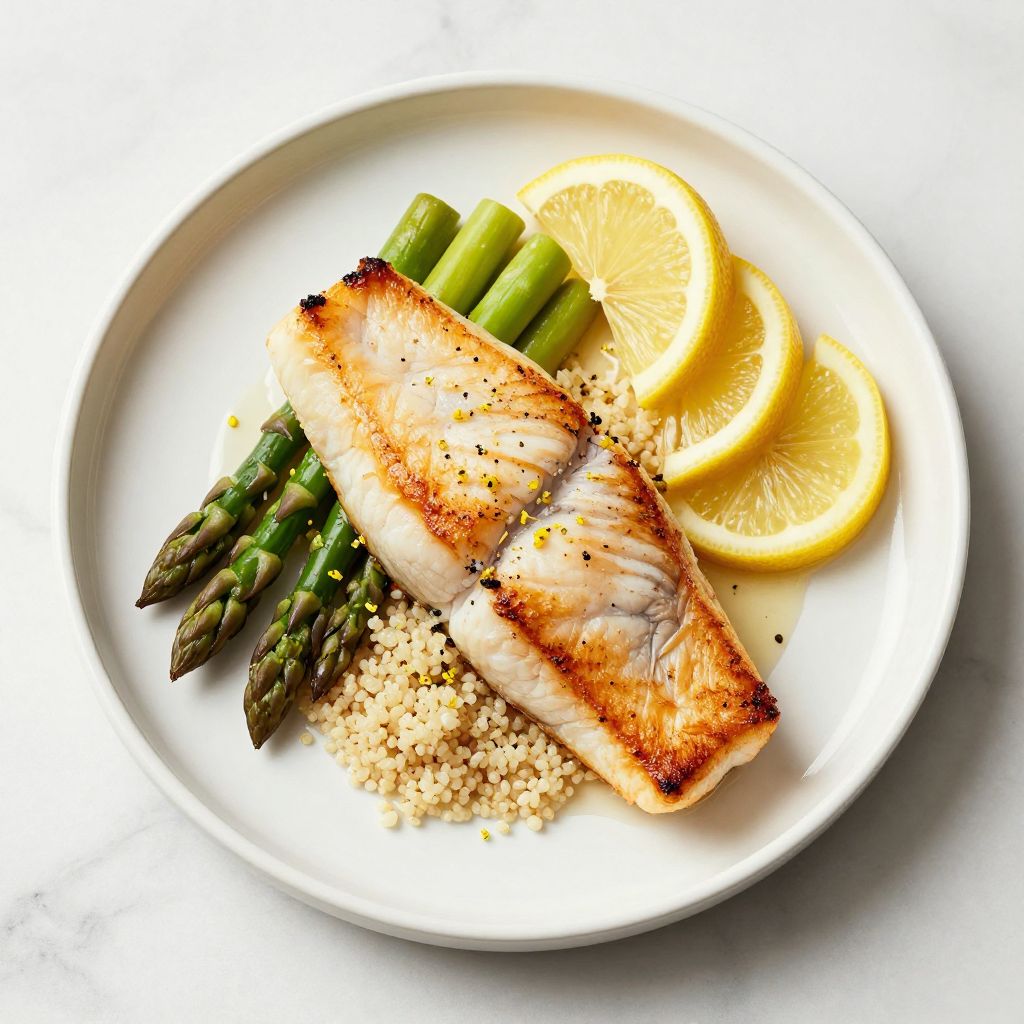
Halibut Recipe Pan Seared
Ingredients
Equipment
Method
- Pat the halibut fillets dry with paper towels.
- Sprinkle salt and pepper on both sides of the fillets.
- Heat a non-stick skillet over medium-high heat and add olive oil.
- Carefully place the fillets in the skillet and cook for about 4-5 minutes without moving them.
- Using a spatula, gently flip the fillets.
- Add the butter and squeeze fresh lemon juice over the fish.
- Cook for an additional 3-4 minutes, or until the fish reaches an internal temperature of 145°F.
- Remove the halibut from the skillet and let it rest for a minute.
- Drizzle with remaining lemon juice and zest before serving.