
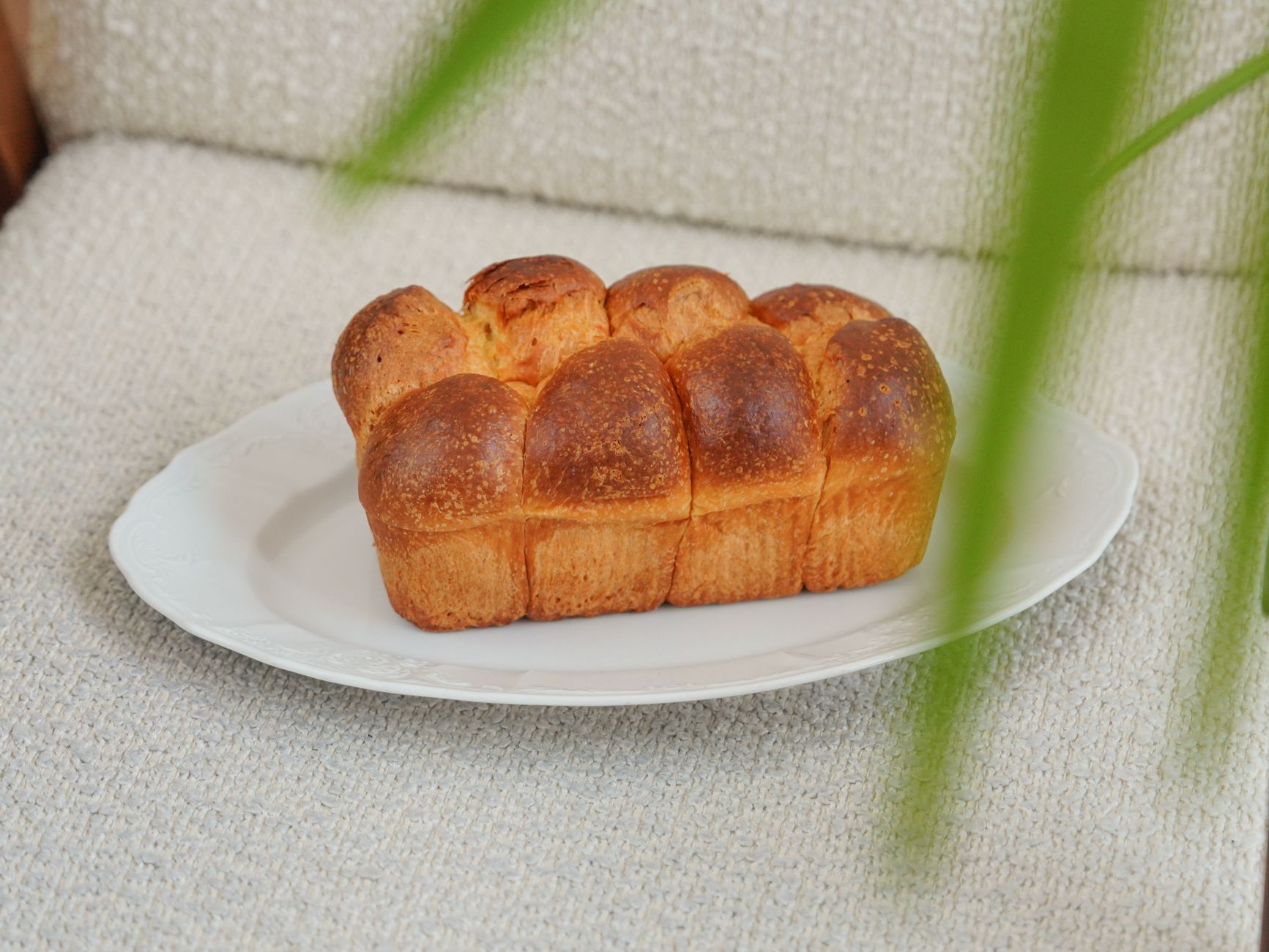
Brioche bread stands out for its rich flavor, fluffy texture, and slightly sweet taste, making it a favorite for both sweet and savory dishes. This versatile bread can elevate breakfast, desserts, or even gourmet sandwiches. Understanding what makes brioche different will enhance your culinary repertoire and enable you to use it more effectively in your cooking.
In this article, we will explore the unique characteristics of brioche, its ingredients, baking techniques, and culinary applications. You’ll learn why it is a beloved choice in many kitchens and how you can make the most of this delightful bread.
What Makes Brioche Bread Different?
Brioche bread is distinguished from other breads by its high butter and egg content, resulting in a rich, tender crumb and slightly sweet flavor. The typical brioche recipe incorporates a higher ratio of fats and sugars than standard bread, creating a soft, airy loaf ideal for various culinary uses.
The Unique Ingredients of Brioche
The ingredients of brioche are crucial to its unique flavor and texture. Here is a closer look at the primary components:
- Flour: Bread flour or all-purpose flour is often used for brioche due to its protein content, which contributes to the bread’s structure.
- Yeast: Active dry yeast or instant yeast is essential for leavening, allowing the dough to rise and achieve its light texture.
- Eggs: Eggs play a critical role in brioche. They add richness, moisture, and assist with the leavening process.
- Butter: A significant amount of butter, often unsalted, is blended into the dough, giving brioche its characteristic flavor and tender crumb.
- Sugar: A moderate amount of sugar adds sweetness and helps with moisture retention.
- Milk: Milk or cream is often included to enrich the dough, adding creaminess and aiding in achieving a softer texture.
- Salt: Salt enhances the flavor of the bread and controls yeast activity.
Understanding Brioche’s Texture and Flavor
The texture of brioche is soft and fluffy due to its high fat content. The presence of butter coats the flour particles, inhibiting gluten development, which results in a tender crumb. The enriched dough rises slowly, allowing for the development of complex flavors.
Brioche’s flavor is subtly sweet, with buttery notes that enhance its versatility. It can serve as the foundation for sweet dishes like French toast and bread pudding, or savory options like sandwiches and burgers.
Baking Techniques for Brioche
Baking brioche involves specific techniques that are essential for achieving the desired structure and flavor. Here are some important steps in the brioche-making process:
1. Preparing the Dough
- Start by activating the yeast in warm milk (or water) with a small amount of sugar. Let it proof until bubbly and foamy.
- Combine the flour, salt, and remaining sugar in a large mixing bowl. Make a well in the center and add the yeast mixture, eggs, and melted butter.
- Mix until a shaggy dough forms and then knead until smooth and elastic. This can be done by hand or using a stand mixer with a dough hook.
2. First Rise (Fermentation)
Place the dough in a lightly greased bowl, cover it with a damp cloth or plastic wrap, and let it rise in a warm place for 1 to 2 hours or until doubled in size. This step allows the flavors to develop and the yeast to work effectively.
3. Shaping the Dough
- Once the dough has risen, gently deflate it and turn it out onto a floured surface.
- Divide the dough into portions, which can range from two to six pieces, depending on how you want to shape it (loaf, rolls, or braids).
- Shape the pieces into desired forms, ensuring a tight surface to encourage proper rising.
4. Second Rise (Proofing)
Arrange the shaped dough into greased baking pans or on a baking sheet. Cover the dough and let it rise again until puffed, about 30 to 60 minutes. Ensure that it has enough room to rise without obstruction.
5. Baking the Brioche
- Preheat your oven to 350°F (175°C).
- Brush the tops of the risen dough with an egg wash (a mixture of beaten eggs and water) for a golden-brown crust.
- Bake for around 25 to 35 minutes, or until the bread is golden and sounds hollow when tapped. An internal temperature of about 190°F (88°C) will indicate that it is fully baked.
Common Mistakes and Troubleshooting
Baking brioche can be challenging. Here are some common pitfalls and how to avoid them:
- Overworking the Dough: Kneading too much can develop excess gluten, leading to a dense texture. Aim for a smooth, elastic dough without overdoing it.
- Skipping the Rise Times: Proper fermentation and proofing are crucial. Be patient; under-risen dough will yield a heavy loaf.
- Temperature Control: Ensure your dough rises in a warm, draft-free area. Too cold can slow the yeast’s activity, while too hot can kill it.
- Overbaking: Monitor the color and internal temperature to prevent the brioche from drying out or becoming too dark.
Using Brioche in Culinary Applications
Brioche’s versatility makes it ideal for various dishes, enhancing both flavor and presentation. Here are several popular uses:
1. Breakfast Dishes
Enjoy brioche as part of your breakfast routine. It makes for luscious French toast when soaked in egg and milk, pan-fried until golden, and topped with syrup and fruit. Additionally, toasted brioche with butter and jam can elevate simple breakfasts.
2. Sandwiches and Burgers
The rich and slightly sweet flavor of brioche complements savory fillings well. Use brioche buns for gourmet sandwiches, burgers, or sliders for a touch of indulgence. The bread holds together well due to its structure and adds a delightful taste contrast to savory ingredients.
3. Desserts
Brioche can function as a base for various desserts. Bread pudding, a classic use for stale brioche, becomes elevated due to the bread’s rich flavor. Other options include brioche pastries filled with cream, fruit, or chocolate.
4. Snacking
Serve brioche as a sweet treat on its own or with coffee or tea. Its buttery richness pairs wonderfully with a variety of beverages, making it suitable for brunch or an afternoon snack.
Storage and Make-Ahead Options
Proper storage can help maintain brioche’s texture and flavor. Here are a few tips:
Storing Brioche
- Store brioche at room temperature in an airtight container or wrapped tightly in plastic wrap to keep it fresh for about 2 to 3 days.
- For longer storage, freeze brioche by wrapping it well in foil or plastic wrap and then placing it in a resealable freezer bag. It can last for up to 3 months in the freezer.
- When ready to eat, thaw brioche at room temperature or warm it in the oven at low heat to restore freshness.
Make-Ahead Options
You can prepare brioche dough in advance and store it in the refrigerator for up to 24 hours after the first rise. This method allows for improved flavor development. Just be sure to let it come to room temperature before proceeding with shaping and proofing.
Substitutions and Variations
If you want to adapt brioche to meet dietary preferences or use different ingredients, consider these substitutions:
- Gluten-Free Flour: Achieve a gluten-free brioche by using a gluten-free flour blend. However, note that the texture may vary significantly.
- Dairy-Free Options: Replace milk with a plant-based milk and use vegan butter or coconut oil in place of regular butter for a dairy-free version.
- Egg Alternatives: Consider using unsweetened applesauce or flaxseed meal mixed with water for a vegan brioche, but the texture may differ from traditional brioche.
- Sweetness Level: Adjust the sugar content to taste; using less sugar will create a less sweet, more savory brioche.
Conclusion and Next Steps
Brioche bread is a unique and versatile option in the baking world, characterized by its rich flavor and soft texture. Understanding how to make it and use it in various recipes opens up many delicious possibilities in your meals and snacks.
If you’re curious to further explore your baking skills, consider trying homemade Einkorn Bread or the ever-popular Starbucks Pumpkin Bread. Each recipe presents an opportunity to experiment with flavors and techniques.