
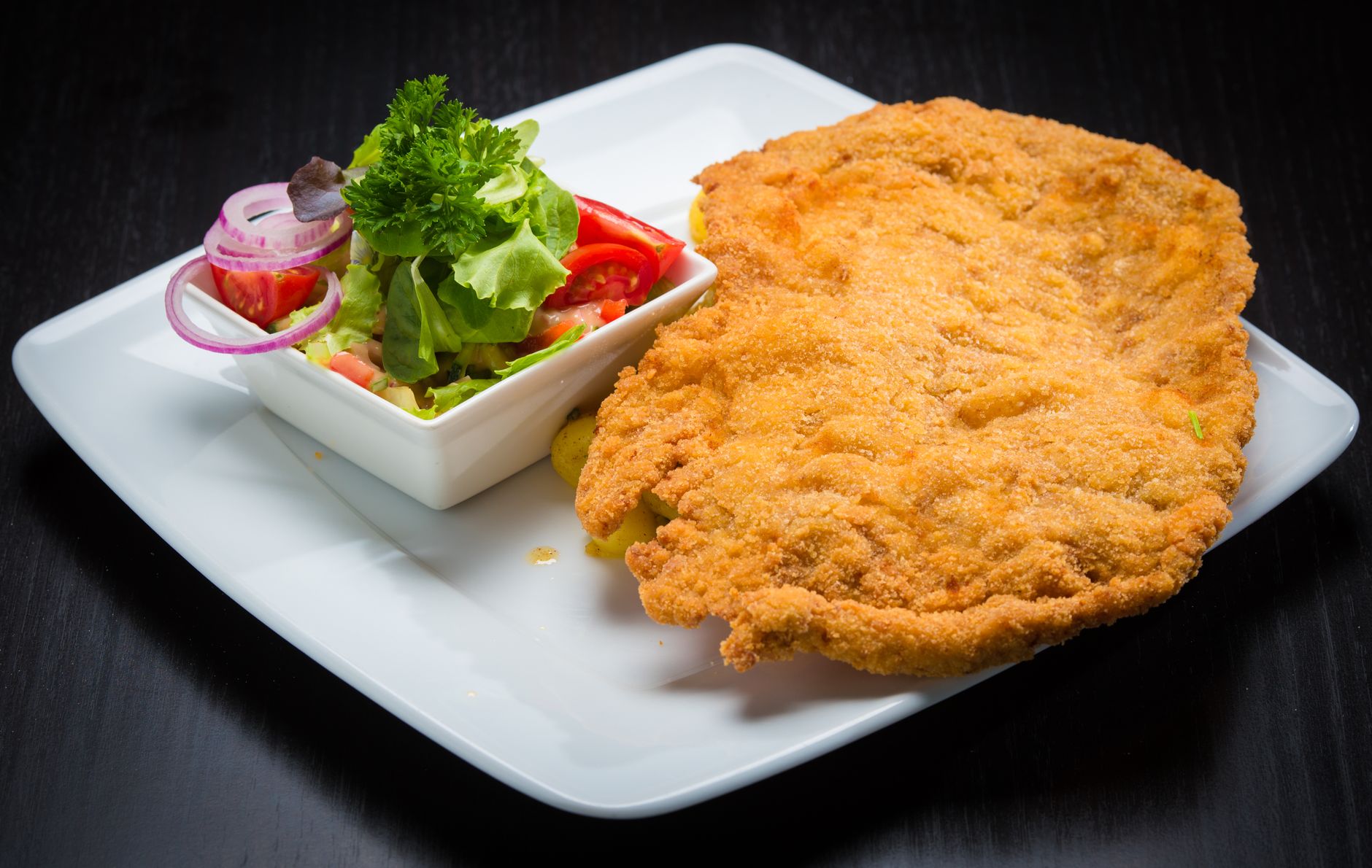
Veal is a type of meat that comes from young cattle, specifically calves that are usually less than three months old. It is known for its tender texture and mild flavor, making it a prized ingredient in various culinary traditions around the world.
This article will provide a comprehensive guide to veal, including its characteristics, types, culinary uses, preparation techniques, and serving suggestions. By the end, you’ll have a robust understanding of what veal is and how to incorporate it into your meals.
What Meat Is Veal?
Veal is the meat derived from calves, typically from breeds such as Holstein, Angus, or Hereford. The term “veal” generally denotes young cattle, which are raised specifically for their meat. Unlike beef, which comes from mature cattle, veal is prized for its unique tenderness and delicate flavor profile.
The meat’s color ranges from light pink to pale red, and the texture is finer and more tender than that of traditional beef. Veal is often considered a delicacy in many cuisines and can be prepared in various ways, including braising, roasting, and grilling.
Types of Veal
VEAL can be categorized into several types based on the calf’s diet and age. Each type has distinct characteristics that affect flavor, color, and tenderness.
Milk-Fed Veal
Milk-fed veal, also known as “white veal,” comes from calves that are primarily fed a diet of milk or milk replacer. This feeding method results in a pale pink color and a very tender, mild-flavored meat. It is often considered the finest quality of veal, ideal for gourmet dishes.
Grain-Fed Veal
Grain-fed veal comes from calves that are fed a diet of grains along with milk. This type of veal has a slightly deeper color and a more robust flavor compared to milk-fed veal. It is still tender but offers a bit more character on the palate, making it suitable for a variety of recipes.
Pasture-Raised Veal
Pasture-raised veal comes from calves that are allowed to graze on grass and other forage, in addition to receiving supplemental feed. This type of veal typically has a deeper color and a stronger flavor profile due to the varied diet. It often appeals to consumers looking for a more ethical and sustainable option.
Culinary Uses of Veal
Veal is versatile and can be used in a wide range of dishes. Its mild flavor makes it adaptable to various cuisines, from Italian to French and beyond. Here are some common culinary uses of veal:
Stews and Braises
Veal is an excellent choice for stews and braises due to its tenderness and ability to absorb flavors. Dishes such as Osso Buco, which consists of veal shanks simmered with vegetables, wine, and stock, highlight the meat’s characteristics beautifully.
Roast Veal
Roasting veal allows for the development of rich flavors and a succulent texture. A whole veal roast or cuts like the rack or loin can be seasoned and cooked until tender, then served with a variety of sides, from roasted vegetables to creamy polenta.
Pasta Dishes
Veal is often featured in pasta dishes, adding a rich flavor and tender texture. It can be ground and used in sauces for pasta or included in stuffed pasta, such as manicotti or ravioli.
Grilled and Sautéed
Grilling or sautéing veal is a quick way to prepare it, especially for steaks or cutlets. Simple seasoning with herbs, garlic, and olive oil can enhance its natural flavor without overpowering it.
Preparation Techniques for Veal
Proper preparation techniques are essential for ensuring that veal is flavorful and tender. Here are some effective methods and tips for preparing veal dishes:
Marinating Veal
Marinating veal can enhance its flavor and tenderness. Use a mixture of olive oil, vinegar or citrus juice, herbs, garlic, and spices to create a flavorful marinade. Allow the meat to marinate for at least an hour or up to overnight in the refrigerator for best results.
Cooking Temperatures
Veal should be cooked to an internal temperature of 145°F (63°C) for medium rare or 160°F (71°C) for medium. Using a meat thermometer ensures that the meat is cooked properly without overcooking, which can lead to dryness.
Searing and Browning
For the best flavor, sear veal in a hot skillet before finishing the cooking process. This browning step creates a flavorful crust and enhances the meat’s overall taste. For braises or stews, brown the veal on all sides before adding liquids.
Resting the Meat
After cooking, it is crucial to let veal rest for at least five to ten minutes before slicing. This allows the juices to redistribute, resulting in a more tender and juicy final dish.
Serving Suggestions for Veal
Veal can be served in a variety of ways, making it a delightful choice for both casual and formal dining. Here are some serving suggestions:
With Sauces
Veal pairs well with a range of sauces, from creamy reductions to tomato-based sauces. A classic veal marsala, made with a rich mushroom and marsala wine sauce, is a popular dish that showcases the meat’s flavor.
As Part of a Platter
For gatherings or celebrations, consider serving sliced roast veal as part of a charcuterie board or platter. Pair it with cheeses, olives, pickled vegetables, and bread for an elegant appetizer.
Accompaniments
Veal is often complemented by sides that balance its richness. Consider pairing it with seasonal vegetables, mashed potatoes, polenta, or risotto for a complete meal.
Practical Substitutions for Veal
If you cannot find or prefer not to use veal, there are several substitutions that can work in various recipes:
- Pork: Pork tenderloin or pork chops can be used as a milder substitute in dishes that call for veal, particularly in Italian cuisine.
- Chicken: Chicken breast can provide a similar texture; however, it has a different flavor profile and may require adjustments in seasonings.
- Beef: Although it’s a heavier option, beef cuts like sirloin or flank steak can be used, especially in recipes that require braising or slow cooking.
Common Mistakes When Cooking Veal
Here are some common mistakes to avoid when preparing veal, ensuring a successful dish:
- Overcooking: Veal can dry out quickly if overcooked, so monitoring the internal temperature is crucial.
- Skipping the Sear: Failing to sear the meat can result in less flavor; always aim to brown your veal before cooking it through.
- Neglecting to Rest: Cutting into veal too soon after cooking can lead to lost juices; always let it rest before slicing.
Storage and Safety Guidelines
Storing and handling veal safely is critical for preventing foodborne illness. Refer to the following guidelines:
Refrigeration
Raw veal should be stored in the refrigerator at 40°F (4°C) or below. It should be consumed within 1-2 days after purchase for optimal freshness. Cooked veal can be refrigerated for up to four days.
Freezing
Raw veal can be frozen for longer storage. Wrap it tightly in plastic wrap or aluminum foil and store it in an airtight container or freezer bag. It can typically be frozen for up to six months without loss of quality.
Thawing
When thawing frozen veal, the best methods are either in the refrigerator or in cold water. Avoid thawing at room temperature, as this can promote bacterial growth.
Conclusion
Veal is a versatile and flavorful meat that can elevate many dishes in the kitchen. Understanding what veal is, the different types available, and the best practices for preparing and serving it can help you integrate this delicious ingredient into your meals. From gourmet dishes to everyday fare, there are countless possibilities for enjoying veal.
Explore the world of veal with recipes such as veal piccata or consider using it in a hearty manicotti recipe with meat for a satisfying dinner. Whether you’re a novice or an experienced cook, veal offers an elegant option for your culinary ventures.