
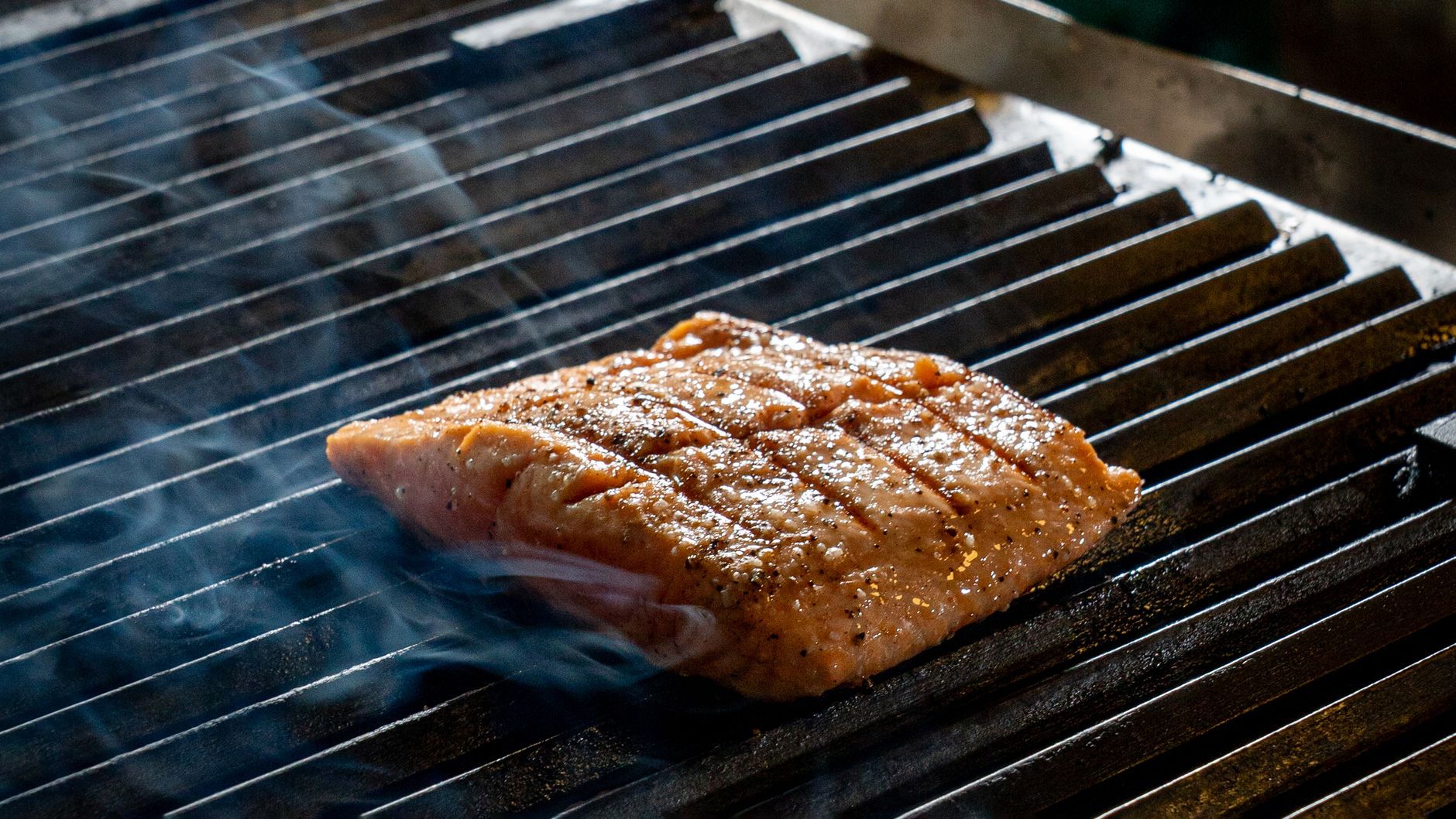
During pregnancy, a nutritious diet is crucial for both the mother and developing fetus. Fish can be a rich source of essential nutrients, including omega-3 fatty acids, protein, and vitamins. However, not all fish are safe to eat during pregnancy due to varying levels of mercury and environmental pollutants. This guide will help you navigate the types of fish that are safe and beneficial to include in your pregnancy diet.
It’s essential to make informed choices when including seafood in your meals. This detailed guide will provide a comprehensive overview of the fish you can safely consume during pregnancy, along with preparation tips, nutritional benefits, and meal ideas.
What Fish Can You Eat While Pregnant?
When selecting fish for pregnancy, focus on low-mercury options. Fish that are generally considered safe to eat include:
- Salmon
- Sardines
- Trout
- Catfish
- Cod
- Tilapia
- Haddock
- Mahi-Mahi
These fish provide essential nutrients without the high levels of mercury found in larger fish, such as shark, swordfish, king mackerel, and tilefish, which should be avoided. Always prioritize wild-caught varieties when possible, as they tend to have lower mercury levels than their farmed counterparts.
Nutritional Benefits of Fish During Pregnancy
Including fish in your pregnancy diet offers numerous health benefits:
- Omega-3 Fatty Acids: Important for fetal brain and eye development.
- High-Quality Protein: Essential for the growth and development of the baby.
- Vitamins and Minerals: Fish is a good source of iodine, vitamin D, and selenium, all critical for pregnancy health.
Recommended Serving Sizes
How to Prepare Fish Safely During Pregnancy
Proper preparation and cooking methods can help minimize foodborne risks. Follow these guidelines for safe consumption:
- Cook fish thoroughly to an internal temperature of 145°F (63°C). Fish should be opaque and flake easily with a fork.
- Avoid raw or undercooked fish, including sushi and ceviche, as they can harbor harmful bacteria and parasites.
- Remove skin and fatty parts from fish to reduce exposure to pollutants.
- Steaming, baking, grilling, or poaching are healthy cooking methods that maintain nutrients.
Cooking Techniques for Fish
There are various methods to prepare fish safely and deliciously:
Grilling
Grilling fish can enhance its flavor while keeping it healthy. Use a grill basket or foil to prevent sticking.
Baking
Baking fish in the oven at 375°F (190°C) for about 20 minutes, depending on thickness, offers a convenient cooking method without added fat. Season with herbs and lemon for added flavor.
Poaching
Poaching involves cooking fish gently in simmering liquid, such as broth or wine. This method keeps the fish moist and tender.
Meal Ideas Featuring Safe Fish Choices
Incorporating fish into your diet can be simple and enjoyable. Here are some meal ideas that highlight safe fish options:
Breakfast
- Smoked Salmon on Whole Grain Toast: Top a slice of whole grain bread with cream cheese, capers, and slices of smoked salmon. Pair with avocado for added nutrients.
- Scrambled Eggs with Fresh Trout: Sauté chopped trout in a little olive oil, then mix with scrambled eggs for a protein-packed breakfast.
Lunch
- Sardine Salad: Mix canned sardines with chopped cucumbers, tomatoes, and a squeeze of lemon. Serve on a bed of leafy greens.
- Grilled Mahi-Mahi Tacos: Season mahi-mahi fillets and grill them, then serve in corn tortillas with cabbage slaw and avocado.
Dinner
- Baked Salmon with Quinoa: Bake salmon fillets with herbs and lemon slices, serve with a side of quinoa and steamed vegetables.
- Catfish Casserole: Layer catfish filets with sliced potatoes and a creamy sauce, then bake until golden brown.
Practical Tips for Including Fish in Your Pregnancy Diet
Here are some practical tips to help you incorporate fish seamlessly into your diet:
- Plan your meals around fish at least twice a week.
- Choose frozen or canned fish for convenience—just check the labels for sodium content.
- Mix and match your fish options to keep meals diverse and interesting.
- If you’re unsure about what fish to choose, refer to local and federal guidelines for the latest recommendations.
Potential Risks and Considerations
While fish can be a healthy addition to your diet during pregnancy, there are some considerations to keep in mind:
- Mercury Exposure: High mercury levels can affect fetal development and should be closely monitored.
- Allergies: If there is a family history of seafood allergies, consult with a healthcare provider before consuming fish.
- Diverse Diet: Balance your fish intake with a variety of other protein sources to ensure nutrient diversity.
Resources and Guidelines
It can be helpful to refer to official sources for the latest guidelines on fish consumption during pregnancy. The following resources provide valuable information:
Conclusion
Incorporating safe fish options into your pregnancy diet can provide essential nutrients for both you and your baby. By selecting low-mercury varieties and preparing them through healthy cooking methods, you can enjoy flavorful meals while supporting your health. Consider trying some new fish recipes this week, and embrace the variety and nourishment they can offer.
For more ideas, check out our healthy tuna salad recipe or our oven-baked mahi-mahi recipe for delicious ways to prepare safe fish dishes during your pregnancy.