
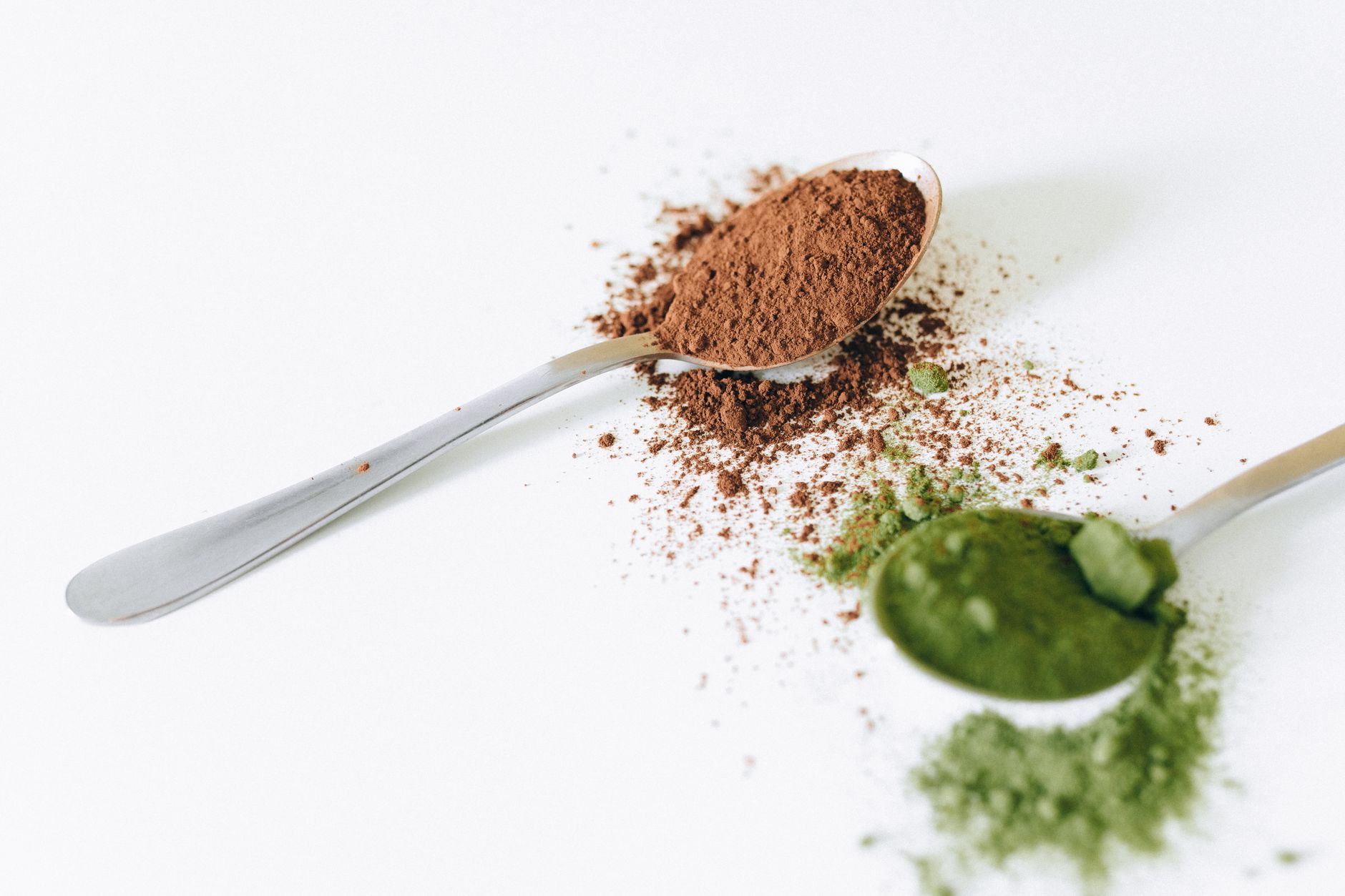
Cocoa and cacao are often used interchangeably in conversation, leading many to wonder if they refer to the same thing. While both originate from the cacao bean, the terms represent different forms that vary in taste, texture, and culinary use. Understanding these differences can elevate your cooking and baking, allowing you to select the right product for your recipes.
This article explores the distinctions between cocoa and cacao, including their flavor profiles, appearances, common uses, and nutritional aspects. Whether you’re a budding baker, a chocolate enthusiast, or simply curious, this guide will help you navigate the world of these beloved ingredients.
Is Cocoa the Same as Cacao?
No, cocoa and cacao are not the same. Cacao refers to the raw, unprocessed form of the cacao bean, while cocoa is the processed version that results from roasting the beans. This processing alters the flavor, texture, and nutritional content of the two ingredients.
Understanding Cacao
Cacao is made from the beans of the Theobroma cacao tree. These beans are harvested, fermented, and dried but remain largely unprocessed. The main characteristics of cacao include:
- Flavor: Cacao has a rich, complex flavor profile characterized by a natural bitterness and slight acidity.
- Texture: It typically appears in its raw form as cacao nibs, powder, or paste, with a coarse or grainy texture.
- Culinary Use: Cacao is often used in raw desserts, smoothies, and health-conscious recipes due to its more robust flavor and higher antioxidant content.
- Nutritional Aspects: Cacao is known for being nutrient-dense, packing minerals like magnesium, iron, and antioxidants.
Exploring Cocoa
Cocoa is the result of processing cacao beans. This processing typically involves roasting the beans, which changes their flavor and nutritional profile. Key aspects of cocoa include:
- Flavor: Cocoa has a milder, sweeter flavor compared to cacao, often described as smooth and chocolatey.
- Texture: Cocoa powder is silky and fine, ideal for mixing into drinks and batters.
- Culinary Use: Cocoa powder is prevalent in baking, chocolate confections, and hot chocolate recipes.
- Nutritional Aspects: While still containing nutrients, cocoa powder usually has fewer antioxidants than raw cacao due to the roasting process.
Cooking and Baking with Cocoa vs. Cacao
When you’re planning to use cocoa or cacao in your recipes, it’s essential to know which one to choose based on the desired outcome. Below are some cooking and baking scenarios where one may be preferable to the other:
Using Cacao
Cacao shines in recipes that highlight its unique flavor profile and health benefits. Here are some effective uses:
- Raw Desserts: Cacao is often used in energy bites, raw chocolates, and healthy desserts to retain a nutritious edge.
- Smoothies: Adding cacao powder to smoothies boosts flavor while providing antioxidants without much sweetness.
- Health Foods: Incorporate cacao into granola, oatmeal, or yogurt for added taste and nutrients.
Using Cocoa
Cocoa is a staple in traditional baking and confectionery. Consider these applications:
- Baking: Cocoa powder is essential in recipes for cakes, brownies, and cookies, offering smoothness and a classic chocolate flavor.
- Chocolate Drinks: Cocoa is the main ingredient in hot chocolate, where its milder taste appeals to a wide audience.
- Chocolate Mousse: For velvety textures, cocoa powder works wonders in recipes that require whipping and air incorporation.
Culinary Differences: How to Choose Between Cocoa and Cacao
Choosing between cocoa and cacao often depends on your dietary preferences and the specific requirements of a recipe. Here are some factors to consider:
Flavor Preferences
If you enjoy the powerful, slightly bitter notes of chocolate, cacao might be the right choice. If you prefer a sweeter, more subdued flavor, cocoa will likely suit your palate better.
Nutritional Goals
Cacao is rich in antioxidants and has potential health benefits, which might be alluring if you want the most nutritional value. Cocoa, while lower in some antioxidants, is still beneficial when consumed in moderation and works better for traditional baked goods.
Recipe Specification
Always consider the intended recipe. For instance, baking powder and baking soda usually work well with cocoa but might need adjustments if using cacao due to its different acidity levels.
Substituting Cocoa for Cacao and Vice Versa
While cocoa and cacao can sometimes be swapped in recipes, it’s crucial to account for flavor differences and acidity levels:
Substituting Cocoa for Cacao
If a recipe calls for cacao and you want to substitute cocoa, reduce the sugar content slightly since cocoa is less bitter and sweeter.
- Use a 1:1 ratio; however, consider cutting back on other sugars by about 10%.
Substituting Cacao for Cocoa
When using cacao instead of cocoa, you may need to adjust additional ingredients to account for cacao’s pronounced flavor depth and acidity.
- For every 1 cup of cocoa, substitute ¾ cup of cacao and increase the sweetness as necessary, possibly adding an extra tablespoon of sweetener.
Common Mistakes to Avoid When Using Cocoa and Cacao
To ensure the best results in your cooking and baking, steer clear of these common pitfalls:
- Assuming Equal Flavor: Different flavors mean you should adjust sweeteners accordingly. Start with half a measurement and taste test.
- Not Accounting for Acidity: Cacao might react differently with leavening agents. Pay close attention to whether a recipe requires baking soda or powder.
- Overlooking Quality: Not all cocoa or cacao products are created equal. Choose high-quality options for the best flavor and nutritional benefits.
Storage Tips for Cocoa and Cacao
Proper storage is essential to maintain the freshness and flavor of cocoa and cacao. Follow these guidelines to keep your products in optimal condition:
Storage Recommendations
- Cool, Dry Place: Store both cacao and cocoa powder in a cool, dry place away from light and moisture.
- Airtight Containers: Use airtight containers to prevent exposure to air, which can lead to spoilage.
- Check Expiration Dates: Always adhere to expiration dates as cocoa and cacao can lose flavor potency over time.
- Tongue-in-Cheek Advice: These ingredients can last longer than a standard pantry item, but don’t sit on them forever — they do have a shelf life!
The Health Benefits of Cacao and Cocoa
Both cacao and cocoa offer health benefits, but their profiles differ slightly:
Cacao Health Benefits
- Rich in Antioxidants: Cacao contains a high number of flavonoids, which may combat oxidative stress.
- Mineral Content: High in magnesium, iron, and zinc, cacao supports various bodily functions.
- Mood Enhancer: Consuming cacao may improve mood and cognitive function, due to its potential to increase serotonin levels.
Cocoa Health Benefits
- Heart Health: Cocoa can support cardiovascular health, particularly when consumed in moderation.
- Boss of Sugar Balance: Cocoa may help regulate blood sugar levels, making it a smart choice for occasional desserts.
- Energy Source: The natural caffeine content in cocoa can provide a mild energy boost.
Final Thoughts on Cocoa and Cacao
Understanding the nuances between cocoa and cacao can greatly enhance your culinary adventures. Each brings unique flavors and benefits to the table, allowing you to tailor your recipes to your taste and nutrition goals. In general, consider cacao for raw, health-focused treats and cocoa for traditional baking and confections.
Whatever your choice, experiment with these two versatile ingredients to create delicious treats that suit your preferences. Enjoy the myriad flavors and benefits they offer as you whip up delightful desserts, beverages, and snacks!
For more culinary explorations, discover our Mexican Hot Chocolate Recipe or try out a unique Dubai Chocolate Recipe to enrich your understanding of chocolate’s delicious range.