
Cottage cheese has become a popular staple in many diets, praised for its versatility and nutritional benefits. But how does it impact your stomach health? This article explores the digestion properties of cottage cheese, its potential effects on gut health, and ways to incorporate it into your meals.
From its probiotic characteristics to its protein-rich content, finding out if cottage cheese is good for your stomach can help you decide whether this dairy product belongs in your kitchen. Let’s dive in!
Is Cottage Cheese Good for Your Stomach?
Cottage cheese can be beneficial for your stomach, as it is easy to digest and high in protein and calcium. Packed with probiotics, it may aid gut health and improve digestion, especially when consumed in moderation. However, it’s essential to consider lactose intolerance and personal dietary preferences when evaluating its effects on your stomach.
What is Cottage Cheese?
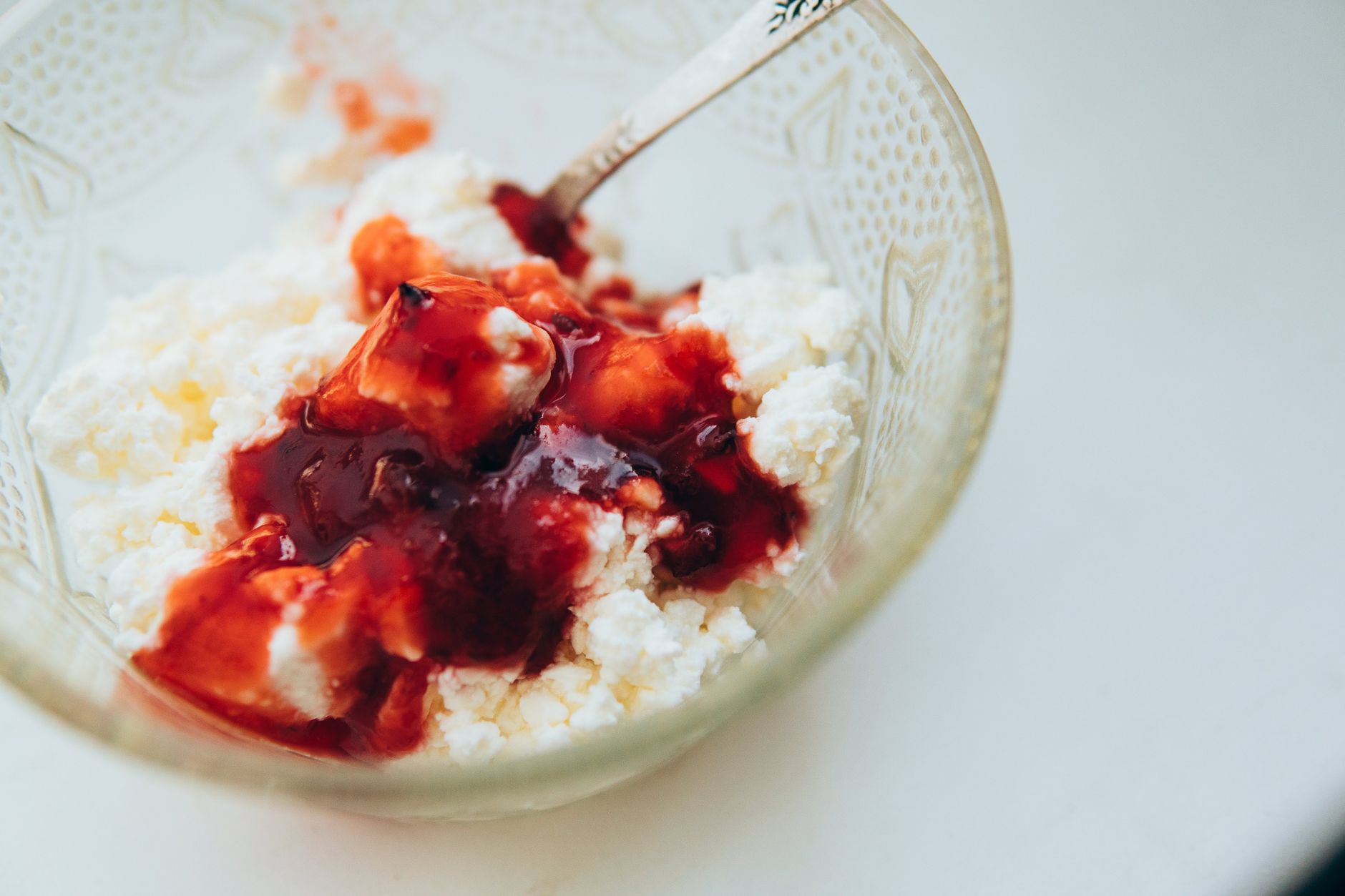
Cottage cheese is a fresh cheese made from curds that are drained of their whey. It originates from curdling milk and can have varying degrees of creaminess based on the milk used and the production process. Its mild flavor and creamy texture make cottage cheese an ideal ingredient for various dishes, from savory to sweet.
Nutritional Benefits of Cottage Cheese
Before delving into how it impacts digestion, let’s look at what makes cottage cheese nutritious:
- High Protein Content: A typical serving (1 cup) provides around 25 grams of protein, which aids in muscle repair and growth.
- Low in Fat: Depending on the variety you choose (low-fat, fat-free, or whole), cottage cheese can be quite low in fat, making it a nutritious choice for those watching their fat intake.
- Rich in Calcium: This cheese is an excellent source of calcium, which is vital for bone health.
- Contains Probiotics: Certain brands include live cultures that support gut health.
- Vitamins and Minerals: Cottage cheese is packed with several essential nutrients, including riboflavin (B2), phosphorus, and selenium.
The Role of Probiotics
Some cottage cheese varieties contain probiotics, beneficial bacteria that can positively affect gut health. Probiotics can help balance the gut microbiome, leading to better digestion and potentially reducing issues such as bloating and gas.
Not all cottage cheese contains live cultures, however. To reap the benefits of probiotics, check labels and select brands that explicitly state they include active cultures.
Digestive Health Considerations
Lactose Intolerance
For individuals who are lactose intolerant, cottage cheese can pose challenges. Lactose intolerance occurs when the body lacks sufficient lactase, the enzyme needed to digest lactose, the sugar found in dairy products. This may lead to discomfort, bloating, and digestive issues.
Fortunately, some cottage cheese brands offer lactose-free options, making it easier for those sensitive to lactose to enjoy it without discomfort.
Fiber Content
While cottage cheese is rich in protein, it lacks dietary fiber, which is essential for digestive health. Incorporating fiber-rich foods into your diet alongside cottage cheese can help maintain a healthy digestive system. Consider pairing it with fruits, vegetables, or whole grains.
How to Incorporate Cottage Cheese into Your Diet
Cottage cheese can be enjoyed in various ways. Here are some practical suggestions:
- Breakfast: Mix cottage cheese with fruits like berries, peaches, or banana slices. Add a drizzle of honey or maple syrup for sweetness.
- Salads: Use cottage cheese as a creamy dressing alternative or add it directly to salads for a protein boost.
- Dips and Spreads: Blend cottage cheese with herbs and spices to create a healthy dip for vegetables or crackers.
- Baking: Cottage cheese can be used in recipes for pancakes, muffins, or even brownies, providing moisture and additional protein.
- Snacking: Enjoy it plain, with a sprinkle of cinnamon, or with a scoop of nut butter for a satisfying snack.
Simple Cottage Cheese Recipes
Cottage Cheese Dip
This creamy dip is perfect for gatherings or as a snack to enjoy at home. Paired with fresh vegetables or whole-grain crackers, it’s a delicious way to enjoy cottage cheese.
Ingredients:
- 1 cup cottage cheese
- 1 tsp garlic powder
- 1 tsp dried dill (or fresh, if available)
- Salt and pepper to taste
Instructions:
- In a mixing bowl, combine cottage cheese, garlic powder, dried dill, salt, and pepper.
- Mix well until smooth. Adjust seasoning as needed.
- Serve with vegetables or crackers.
Cottage Cheese Pancakes
Fluffy and delicious, these pancakes take breakfast to the next level.
Ingredients:
- 1 cup cottage cheese
- 1/2 cup oats (blended into flour)
- 2 eggs
- 1/2 tsp baking powder
- 1/2 tsp vanilla extract
- Cooking spray or butter for the skillet
Instructions:
- In a blender, combine the cottage cheese, oats, eggs, baking powder, and vanilla extract. Blend until smooth.
- Preheat a skillet over medium heat and add cooking spray or butter.
- Pour small amounts of the pancake batter onto the skillet, cooking until bubbles appear, then flip and cook until golden brown.
- Serve with your favorite toppings like fruit or syrup.
Common Mistakes and Troubleshooting
Bland Flavor
If you find cottage cheese bland, consider enhancing its flavor with various spices, herbs, or sweeteners. Adding fruit, nuts, or seeds can also enhance texture and taste.
Consistency Issues
Some people may find cottage cheese too watery or too thick. If you prefer a creamier texture, try blending it before use, or if it’s too thick, you can add a splash of water or milk to adjust the consistency.
Storage and Shelf Life
Cottage cheese should be stored in the refrigerator and consumed within seven to 10 days after opening, depending on the expiration date. Always check for signs of spoilage, such as an off smell or changes in texture.
To extend its shelf life, consider freezing cottage cheese. While the texture may change slightly upon thawing, it can still work well in baked dishes or dips. To freeze, portion it into airtight containers and label them with the date.
Final Thoughts
Cottage cheese can be a nutritious addition to your diet, providing protein and probiotics that can support gut health. While it may not be suitable for everyone, particularly those with lactose intolerance, there are many ways to enjoy it responsibly. Incorporating it thoughtfully into your meals can lead to delicious dishes while potentially benefiting your stomach.
Incorporate cottage cheese into your diet with some delicious recipes, such as cottage cheese dip, cottage cheese brownies, and cottage cheese flatbread. If you’re looking for a great breakfast option, check out our cottage cheese bagel recipe or try a sweet cottage cheese mousse for a delightful dessert. Enjoy your journey with cottage cheese!