
Picture this: a fresh salad drizzled with a zesty homemade dressing that brightens every bite. That’s exactly what you get with this Lemon Vinaigrette Dressing, a staple that adds a burst of flavor and a touch of elegance to any dish. This recipe is special because it takes just minutes to whip up, using simple ingredients you probably already have on hand. The combination of vibrant lemon juice and olive oil creates a delightful balance of tangy and rich flavors, making it not just a salad dressing but a versatile addition to marinades and grilled vegetables. Ready to elevate your meals? Let’s gather the ingredients and get started!
Why You’ll Love This Recipe
This lemon vinaigrette is a must-try for several reasons.
- Quick and easy to make in under 5 minutes.
- Bright and tangy flavor that enhances any dish.
- Versatile enough to use on salads, veggies, and meats.
- Healthy and made with wholesome ingredients.
- Adjustable to suit your taste preferences.
My Experience Making This Recipe
Making this lemon vinaigrette is a breeze, and the aroma of fresh lemon fills my kitchen every time I whip it up. The first time I served it, my friends couldn’t stop raving about how it transformed a simple green salad into something special.
Watching everyone enjoy their meal made me realize how a little dressing can go a long way in elevating flavors. Plus, it feels great to use a homemade dressing instead of store-bought options laden with preservatives.
Recipe Overview
- Recipe Name: Lemon Vinaigrette Dressing
- Servings: 4
- Prep Time: 5 minutes
- Cook Time: 0 minutes
- Total Time: 5 minutes
- Course: Dressing
- Cuisine: Mediterranean
- Calories per Serving: 80
Equipment You Will Need
- Mixing bowl
- Whisk or fork
- Measuring cups
- Measuring spoons
- Jar or container with lid (for storage)
Ingredients for Lemon Vinaigrette Dressing
- 1/4 cup freshly squeezed lemon juice
- 1/2 cup extra virgin olive oil
- 1 teaspoon Dijon mustard
- 1 clove garlic, minced
- Salt and pepper to taste
- 1 teaspoon honey (optional, for sweetness)
Ingredient Notes and Substitutions
- Lemon juice: Provides acidity and brightness. Use bottled lemon juice in a pinch, but fresh is best.
- Olive oil: Adds richness and flavor. Any neutral oil can work, but it won’t have the same depth.
- Dijon mustard: Helps emulsify the dressing. You can use whole grain mustard for a different texture.
- Garlic: Gives a nice kick. Substitute with garlic powder if you prefer a milder taste.
- Honey: Balances acidity. Maple syrup can be a good vegan option.
How to Make Lemon Vinaigrette Dressing
Step 1: Gather Your Ingredients
Start by collecting all your ingredients. Having everything in one place makes the process smooth and efficient.
Step 2: Squeeze the Lemons
Juice fresh lemons until you have 1/4 cup. Fresh juice is key for that bright, zesty flavor.
Step 3: Combine the Ingredients
In a mixing bowl, add the lemon juice, Dijon mustard, minced garlic, and honey if using. This is where the magic begins, bringing together flavors that complement each other.
Step 4: Whisk in the Olive Oil
Slowly pour in the olive oil while whisking continuously. This helps emulsify the dressing, creating a smooth and creamy texture.
Step 5: Season to Taste
Add salt and pepper according to your preference. Adjusting the seasoning is crucial to make sure the vinaigrette is just right.
Step 6: Taste and Adjust
Dip a spoon into the dressing and taste it. If it needs more acidity, add a splash more lemon juice; if it’s too tangy, a bit more honey can help balance it.
Step 7: Store the Dressing
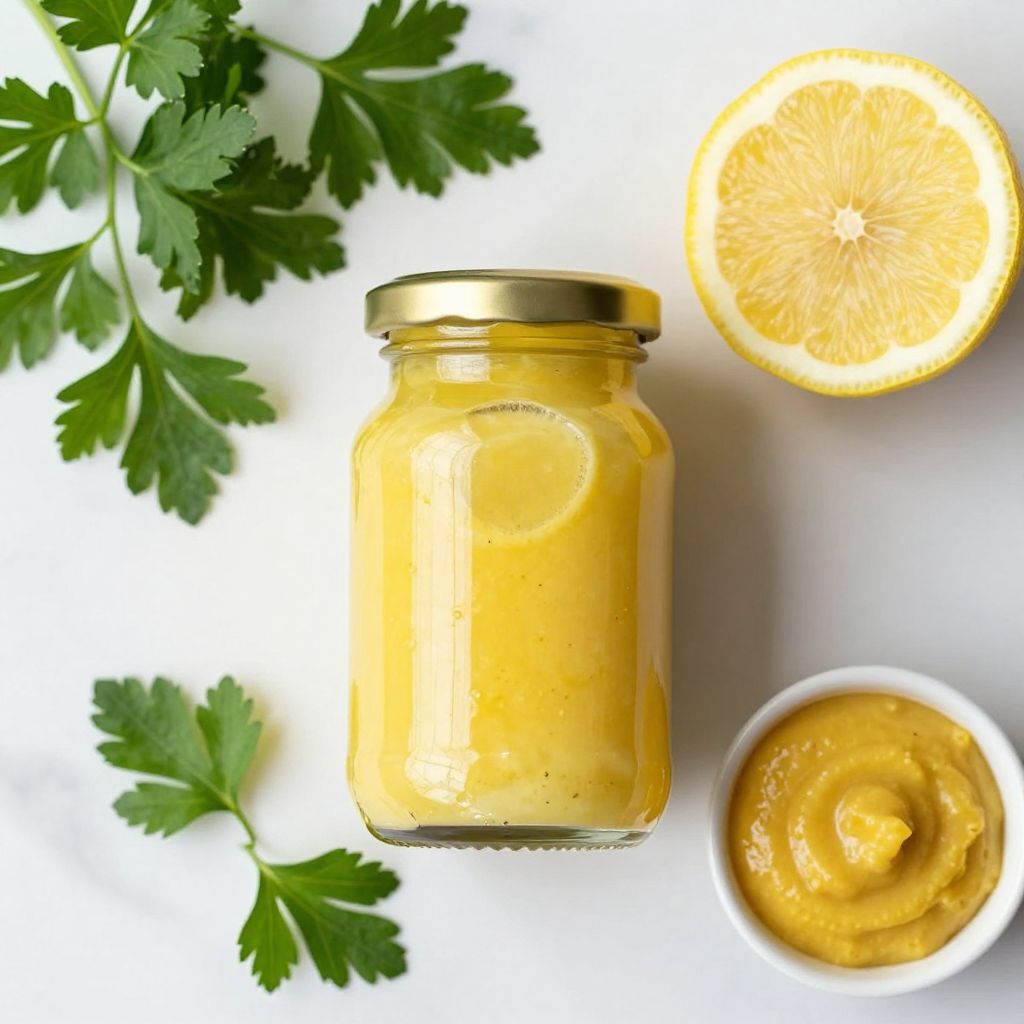
Pour the vinaigrette into a jar or container with a lid. This makes it easy to store in the fridge for future use.
Step 8: Shake Before Serving
Before using, give the jar a good shake. This ensures the ingredients are well mixed after sitting.
Pro Tip: Always taste as you go to customize the vinaigrette to your liking.
Tips for the Best Lemon Vinaigrette Dressing
- Use fresh lemons for the best flavor; bottled juice is a poor substitute.
- Whisk vigorously to fully emulsify the dressing for a better consistency.
- Experiment with different vinegars for a unique twist, like apple cider vinegar.
- Make a larger batch and store it for quick salads throughout the week.
- Try adding fresh herbs, like basil or parsley, for an extra flavor boost.
Common Mistakes to Avoid
- Using bottled lemon juice can lead to a flat flavor. Fresh is always best.
- Not whisking enough can leave you with a separated dressing. Emulsification is key.
- Forgetting to taste before serving can result in an unbalanced dressing.
- Using too much oil can dull the vinaigrette’s brightness. Balance is important.
- Not storing it properly can lead to spoilage. Keep it in an airtight container.
Serving Suggestions
This lemon vinaigrette is incredibly versatile and pairs well with many dishes.
- Drizzle over mixed greens for a refreshing salad.
- Use as a marinade for grilled chicken or fish.
- Pour over steamed vegetables to brighten their flavor.
- Serve with quinoa or grain salads for added zest.
- Pair with roasted potatoes for a tangy finish.
Variations to Try
- Add a teaspoon of fresh herbs like basil or dill for a herby twist.
- Substitute balsamic vinegar for a different flavor profile.
- Incorporate grated Parmesan for a creamy texture.
- Mix in some avocado for a rich, creamy version.
- Use flavored olive oils, like garlic or chili, for a spicy kick.
Dietary Adaptations
- Gluten-free: This recipe is naturally gluten-free.
- Dairy-free: It contains no dairy, making it suitable for dairy-free diets.
- Vegan: Omit honey for a completely vegan dressing.
- Low-carb/Keto: This vinaigrette is low in carbs, perfect for keto diets.
Storage and Reheating
Refrigerator
Store leftover vinaigrette in the refrigerator for up to a week.
- Use an airtight container to prevent spoilage.
- Shake well before each use as ingredients may separate.
Freezer
Freezing is not recommended as it can alter the texture.
- Fresh ingredients lose their quality when frozen.
- Make only what you can use in a week for the best flavor.
Reheating
There’s no need to reheat vinaigrette; serve it cold or at room temperature.
- If chilled, let it sit out for a few minutes before serving.
- Give it a good shake to remix the ingredients.
Nutrition Information
| Nutrient | Amount |
|---|---|
| Calories | 80 |
| Total Fat | 9g |
| Saturated Fat | 1g |
| Carbohydrates | 1g |
| Fiber | 0g |
| Sugar | 0g |
| Protein | 0g |
| Sodium | 0mg |
| Cholesterol | 0mg |
This is an estimate based on the ingredients used. Actual values may vary based on specific brands and measurements.
Frequently Asked Questions
Can I substitute the olive oil?
Yes, any neutral oil can work, but olive oil provides the best flavor.
How long can I make this ahead of time?
You can make it up to a week in advance; just store it in the fridge.
Can I freeze the vinaigrette?
Freezing is not recommended as it may alter the texture and flavor.
What if my vinaigrette is too thick?
If it’s too thick, whisk in a bit of water or more lemon juice until desired consistency.
Can I use dried herbs instead of fresh?
Yes, you can, but use them sparingly as dried herbs are more concentrated in flavor.
Final Thoughts
This Lemon Vinaigrette Dressing is a simple yet powerful addition to your culinary repertoire. I hope you enjoy making it as much as I do and that it brightens up your meals!
For more delicious recipes, check out my Lemon Dump Cake Recipe or try the Lemon Glaze Recipe for a sweet twist on lemony goodness.
Lemon Vinaigrette Dressing
Ingredients
Equipment
Method
- Gather all your ingredients in one place.
- Juice fresh lemons until you have 1/4 cup.
- In a mixing bowl, add the lemon juice, Dijon mustard, minced garlic, and honey if using.
- Slowly pour in the olive oil while whisking continuously.
- Add salt and pepper according to your preference.
- Taste the dressing and adjust with more lemon juice or honey if needed.
- Pour the vinaigrette into a jar or container with a lid for storage.
- Shake well before serving.