
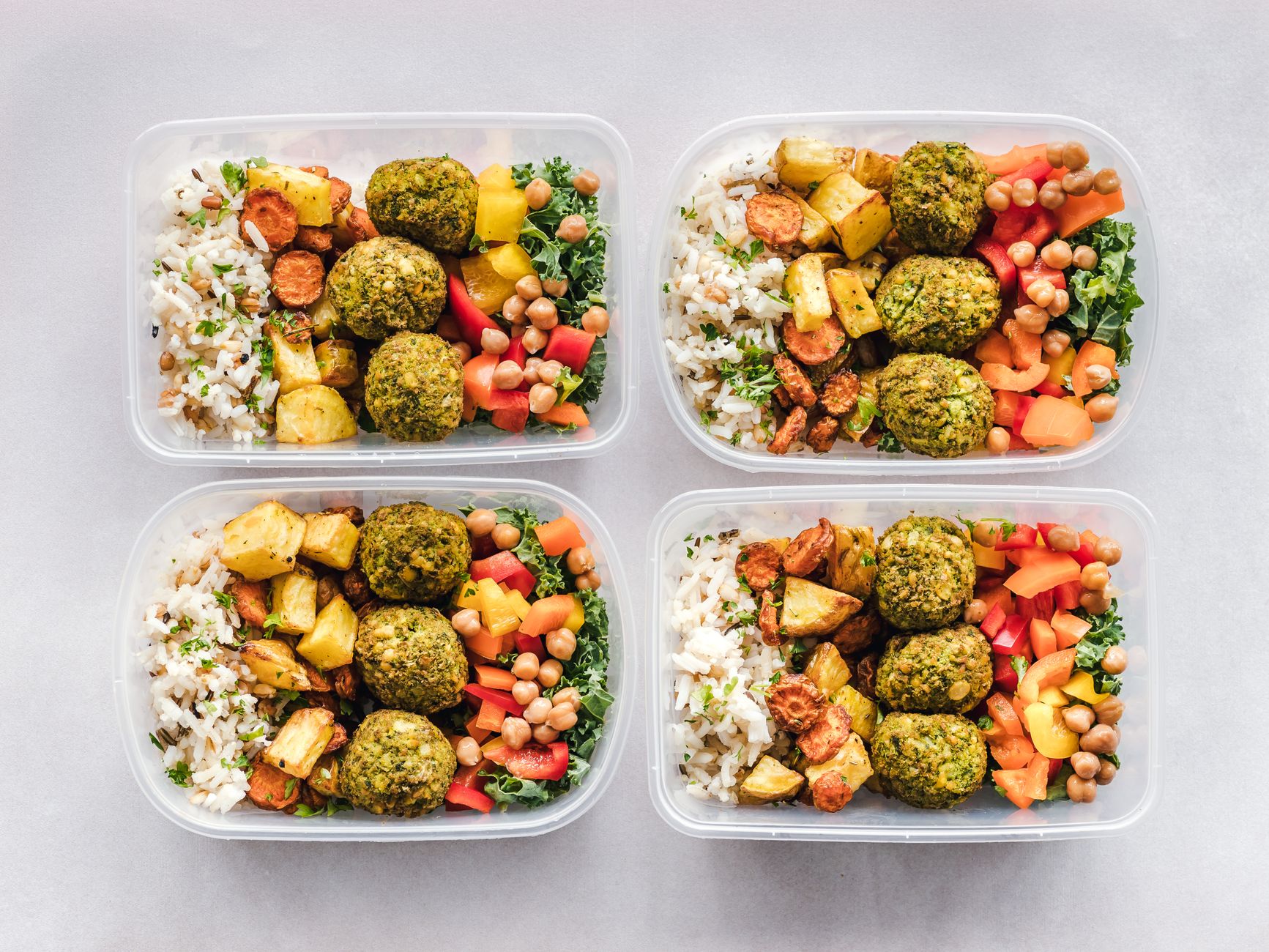
Batch cooking is a meal preparation method that allows home cooks to streamline their cooking process by making large quantities of food at once. This technique not only saves time for busy individuals or families but also helps in managing food waste and promoting healthier eating habits.
In this article, we will explore the essentials of batch cooking, including preparation methods, cooking strategies, and serving tips that will cater to various dietary needs and preferences. Whether you’re feeding a family of four or just yourself, batch cooking offers an effective way to have nutritious meals ready at all times.
What Is Batch Cooking?
Batch cooking involves preparing and cooking multiple servings of food simultaneously, making it easier to plan meals for the week ahead. Typically, the food is made in bulk, frozen, or stored in the refrigerator for use over several days. The idea is to simplify the cooking process while enabling a diverse range of meals without daily cooking.
Why Batch Cook?
- Time-Saving: Cooking in bulk significantly decreases daily cooking time.
- Cost-Effective: Buying ingredients in large quantities often reduces grocery costs.
- Health Benefits: Cooking healthy meals ahead helps to avoid last-minute unhealthy choices.
- Reduced Food Waste: Preparing meals in advance minimizes uneaten food and maximizes ingredient use.
- Diverse Meals: Allows for preparation of various meals that provide variety in diets and flavors.
Preparing for Batch Cooking
Before diving into batch cooking, a little preparation is essential to make the process smooth and efficient.
1. Meal Planning
Start by planning your meals for the week. Consider creating a schedule with the following points:
- Select recipes that share common ingredients to reduce waste and save on costs.
- Incorporate a mix of proteins, vegetables, grains, and healthy fats to ensure a balanced diet.
- Determine the number of portions you need based on family size or individual consumption.
2. Ingredient Preparation
Once your meals are planned, it’s time to gather the necessary ingredients. To streamline this, try the following:
- Chop, wash, and measure out ingredients ahead of time.
- Store prepared ingredients in labeled bags or containers for easy recognition during cooking.
- Invest in quality storage solutions for freezing and refrigerating food.
Cooking Techniques for Batch Cooking
Various cooking techniques can be applied when batch cooking, each with its advantages. Here are some popular methods:
1. One-Pot Cooking
One-pot meals are ideal for batch cooking, requiring minimal cleanup:
- Prepare stews, soups, or casseroles that can simmer all ingredients together.
- This method infuses flavors and ensures everything is cooked uniformly.
2. Sheet Pan Cooking
Sheet pan meals are versatile and can yield several portions with little effort:
- Arrange proteins and vegetables on a baking sheet seasoned and ready to roast.
- This style is especially beneficial for cooking multiple food items simultaneously.
3. Slow Cooking
A slow cooker is a friend in batch cooking:
- Utilize a slow cooker for soups, stews, or even cooked grains that can be portioned out later.
- Prepare meals overnight to wake up to an aromatic home and ready-to-eat food.
4. Freezer Meals
Freezer meals are ideal for batch cooking, allowing meals to be stored long-term:
- Make large batches of chili, soups, or sauces, portion them into freezer-friendly bags, and freeze.
- Label with cooking instructions and date to keep track of freshness.
Essential Equipment for Batch Cooking
The following kitchen tools can enhance your batch cooking experience:
- Large Pots and Pans: Essential for cooking stews and sauces.
- Slow Cooker: Great for hands-off cooking and large meals.
- Sheet Pans: Perfect for roasting multiple items at once.
- Food Storage Containers: Needed for storing prepped ingredients and finished meals.
- Measuring Cups and Spoons: For precise ingredient measurements.
- Sharp Knives: Required for efficient chopping and prep work.
- Blender or Food Processor: Ideal for sauces, dips, and purees.
Portioning and Storing Batch-Cooked Meals
After cooking large quantities, knowing how to portion and store meals is crucial. Follow these guidelines for optimal storage:
1. Cooling
Before storing, make sure to cool the cooked food to room temperature. This helps prevent moisture buildup inside storage containers, which can lead to spoilage.
2. Portioning
When portioning meals, consider:
- Using clear containers for visibility, helping identify contents easily.
- Investing in portion-control containers to manage serving sizes effectively.
3. Storing in the Fridge
Meals stored in the refrigerator should be eaten within 3-4 days:
- Label each container with the meal name and date prepared.
- Organize your fridge to ensure older meals are consumed first.
4. Freezing
For longer storage, freezing is preferred. Follow these steps:
- Use freezer-safe bags or containers and remove as much air as possible to prevent freezer burn.
- Label with the contents and date, ensuring you use meals within 3 months for the best quality.
Reheating Batch-Cooked Meals
Proper reheating methods ensure food safety and quality. Here are tips for reheating different types of meals:
1. Microwave
The microwave is ideal for quick reheating:
- Place meals in microwave-safe containers, cover to retain moisture, and heat in short intervals, stirring in between.
2. Oven
Reheating in the oven is useful for dishes that benefit from crispness:
- Preheat the oven to 350°F (175°C) and reheat meals covered to prevent drying out, removing the cover halfway through if needed.
3. Stovetop
For dishes like soups or stews, reheating on the stovetop allows easy control:
- Heat gently over medium-low heat, stirring occasionally until warmed through.
Common Mistakes to Avoid in Batch Cooking
To make the most of your batch cooking experience, steer clear of these pitfalls:
1. Overcomplicating Recipes
Begin with simple recipes that require minimal ingredients and steps to avoid feeling overwhelmed.
2. Not Following Food Safety Guidelines
Adhering to safe food handling practices is essential to avoid foodborne illness. Always refrigerate or freeze food promptly.
3. Poor Storage Choices
Using the wrong containers can lead to spoilage. Invest in airtight, freezer-safe containers to maintain freshness.
4. Ignoring Ingredient Shelf Life
Some foods have a shorter shelf life than others. Be mindful of expiration dates when batch cooking.
Variations on Batch Cooking
Batch cooking can cater to various dietary preferences and needs. Here are a few ideas for specific diets and variations:
1. Vegetarian/Vegan Batch Cooking
Focus on grains, legumes, and seasonal vegetables:
- Make large portions of grain bowls, vegetable soups, or salads.
- Utilize beans, lentils, and quinoa as protein options.
2. Gluten-Free Batch Cooking
Use gluten-free grains and ingredients:
- Cook quinoa, rice, or gluten-free pasta in larger quantities.
- Prepare dishes with fresh vegetables and proteins without gluten-containing sauces.
3. Family-Friendly Options
Consider dishes that appeal to all ages:
- Make kid-friendly meals like meatballs, mac and cheese, or quesadillas.
- Incorporate vegetables into sauces or dips to make them more appealing.
Final Tips for Successful Batch Cooking
To maximize your batch cooking experience, consider these additional tips:
- Experiment: Don’t hesitate to try new recipes or flavors to keep meal prep exciting.
- Get Others Involved: Encourage family members or household members to join in the cooking to make it a fun activity.
- Stay Organized: Maintain a system for tracking meals available and dates stored to avoid expired ingredients.
In summary, batch cooking is a practical approach that can simplify meal prep and support healthier eating habits. By effectively planning, cooking, storing, and reheating meals, you’ll find more time in your day and less stress around meal choices.
For a deeper dive into efficient meal preparation, check out these resources: how to freeze cooked chicken, and methods for freezing chili. Happy cooking!