
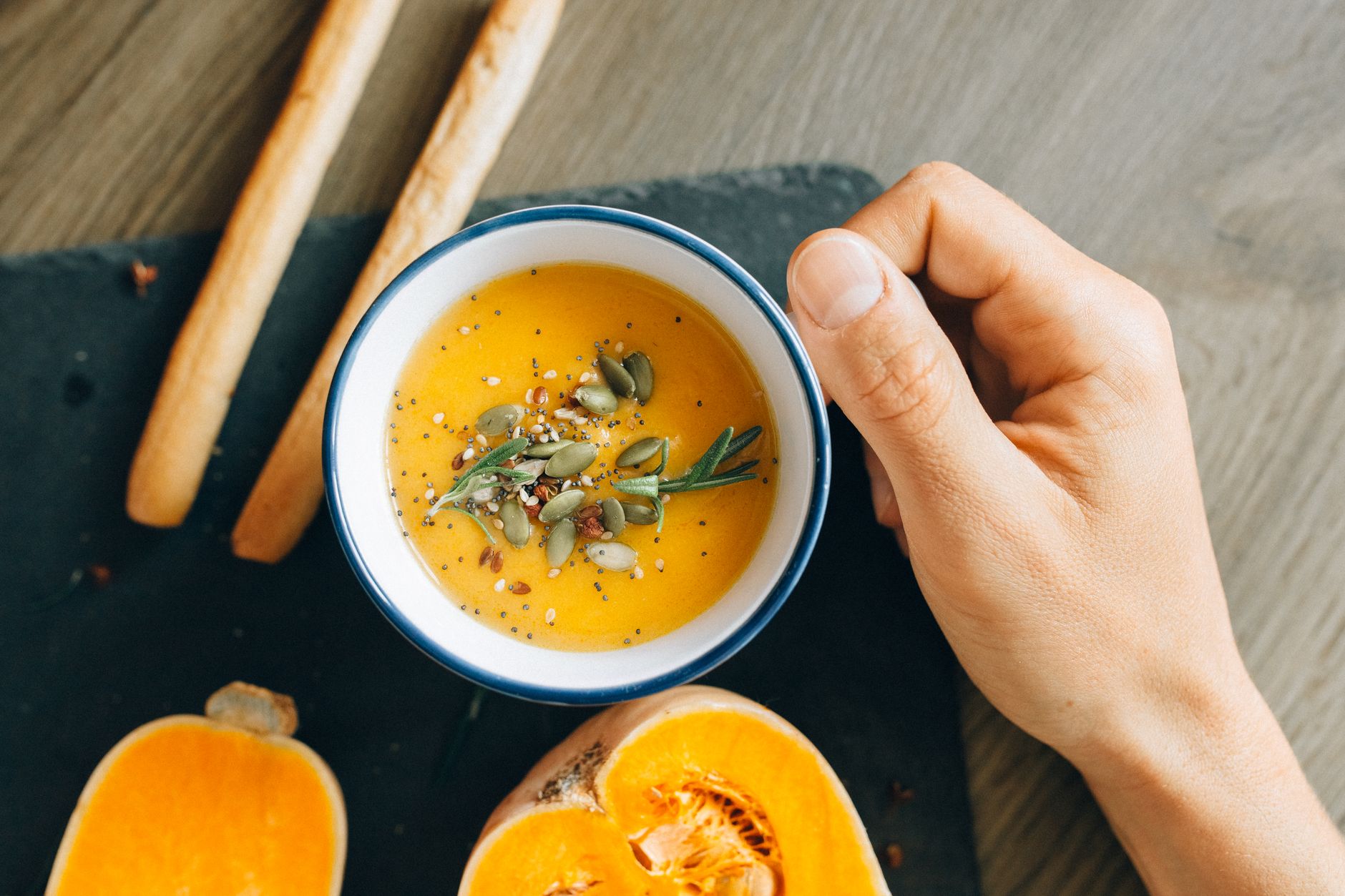
Butternut squash is not only a flavorful addition to your meals, but it can also play a beneficial role in weight loss. This nutrient-dense vegetable is low in calories and high in fiber, making it a satisfying option that helps curb hunger without adding excessive calories to your diet.
In this article, we will explore the benefits of butternut squash for weight loss, suitable portion sizes, cooking ideas, and how to incorporate it into your daily meals effectively. With its sweet, nutty flavor and versatility, you might find it becomes a staple in your kitchen.
Is Butternut Squash Good for Weight Loss?
Yes, butternut squash is good for weight loss because it is low in calories while being rich in essential nutrients and fiber. One cup of cooked butternut squash contains approximately 82 calories, which makes it an excellent food choice for anyone looking to lose weight. Its high fiber content also aids in digestion and helps keep you feeling full longer.
Nutritional Profile of Butternut Squash
Understanding the nutritional profile of butternut squash is vital to appreciating its role in weight loss. Here’s a breakdown of its key nutritional components per one cup (205 grams) of cooked butternut squash:
- Calories: 82
- Protein: 2 grams
- Carbohydrates: 22 grams
- Dietary Fiber: 6.6 grams
- Sugars: 4 grams
- Fat: 0.2 grams
- Vitamin A: 245% of the Daily Value (DV)
- Vitamin C: 52% of the DV
- Potassium: 19% of the DV
- Magnesium: 15% of the DV
- Folate: 10% of the DV
The high levels of vitamins A and C help support immune function and skin health, while potassium and magnesium contribute to heart health and muscle function. The fiber aids digestion and contributes to a feeling of fullness, both important for weight management.
The Role of Fiber in Weight Loss
Fiber plays a crucial role in a weight loss diet. Here’s how:
- Satiation: Fiber-rich foods like butternut squash promote a feeling of fullness, helping to prevent overeating.
- Digestion: Fiber aids in digestion by keeping the digestive system functioning smoothly, which can prevent bloating and discomfort.
- Blood Sugar Control: Fiber helps stabilize blood sugar levels, reducing cravings and preventing spikes in hunger.
By incorporating butternut squash into your meals, you can take advantage of these fiber benefits while enjoying a delicious and satisfying food.
How to Incorporate Butternut Squash into Your Diet
Adding butternut squash to your diet can be simple and enjoyable. Here are several ways to enjoy it:
1. Roasted Butternut Squash
- Preheat your oven to 400°F (200°C).
- Peel and cube the butternut squash.
- Toss the cubes in olive oil, salt, and pepper.
- Spread them out on a baking sheet in a single layer.
- Roast for about 25-30 minutes, turning once, until the squash is tender and lightly caramelized.
Roasting brings out the natural sweetness of the squash and makes a perfect side dish.
2. Butternut Squash Soup
A warm and comforting soup is an excellent way to enjoy butternut squash:
- Sauté chopped onion and garlic in a pot until translucent.
- Add peeled and cubed butternut squash, vegetable broth, salt, and your choice of spices (like nutmeg and cinnamon).
- Simmer until the squash is tender, about 20 minutes.
- Blend until smooth and adjust seasoning as needed.
This soup is creamy and full of flavor without the need for heavy cream, keeping the calorie count low.
3. Butternut Squash Salad
Create a refreshing salad using roasted butternut squash:
- Once the squash is roasted, allow it to cool slightly.
- Toss it with mixed greens, feta cheese, cranberries, and walnuts.
- Dress with a light vinaigrette made of olive oil, apple cider vinegar, salt, and pepper.
This salad combines textures and flavors while providing a nutrient-packed meal.
4. Mashed Butternut Squash
- Steam or boil peeled and cubed butternut squash until tender.
- Drain and mash with a little salt and a drizzle of olive oil or a pat of butter.
This mash makes a lovely alternative to potatoes and adds more vitamins and fiber to your plate.
Portion Sizes and Serving Suggestions
When it comes to weight loss, portion control is essential. Here are some guidelines on serving sizes for butternut squash:
- A typical serving size is about one cup of cooked butternut squash.
- In salads or soups, aim for half to one cup, depending on other ingredients.
- For roasted dishes, be mindful of added oils or fats to keep calories in check.
Pair butternut squash with lean proteins such as grilled chicken or fish, and include other vegetables for a balanced meal that remains satisfying and low in calories.
Butternut Squash Recipes for Weight Loss
Here are a few simple recipes featuring butternut squash that can aid in weight loss:
1. Butternut Squash and Black Bean Tacos
This delicious vegetarian option is packed with flavor.
- Roast cubed butternut squash as previously described.
- Warm corn tortillas and fill them with roasted squash, canned black beans, avocado, and salsa.
2. Butternut Squash Quinoa Bowl
This dish combines nutrients and textures:
- Cook quinoa according to package instructions.
- Mix in roasted butternut squash, kale, nuts, and a light dressing of olive oil and lemon juice.
3. Butternut Squash Smoothie
Start your day with a nutritious breakfast:
- Blend one cup of cooked and cooled butternut squash with almond milk, a banana, a tablespoon of almond butter, and a pinch of cinnamon.
Common Mistakes to Avoid
When cooking with butternut squash, keep these tips in mind to maximize its benefits:
- Don’t overcook it: Overcooking butternut squash can lead to mushiness and loss of flavor.
- Avoid excessive added fats: While olive oil is a healthy fat, using too much can counteract weight loss efforts.
- Watch the portion sizes: Stick to recommended serving sizes to manage calorie intake.
Storing Butternut Squash
Proper storage helps maintain the quality of butternut squash:
- Uncut butternut squash can be stored in a cool, dry place for several weeks.
- Once cut, wrap the pieces tightly in plastic wrap and refrigerate. Use them within a week.
- Cooked butternut squash can be stored in an airtight container in the refrigerator for up to three to five days.
Conclusion
Incorporating butternut squash into your meals can be a delicious, satisfying way to support your weight loss goals. Its low-calorie count, high fiber content, and nutrient density make it an excellent choice for health-conscious individuals. Try experimenting with the diverse cooking methods and recipes discussed to discover how this versatile vegetable can transform your meals.
For more versatile recipes and ideas, explore our Honeynut Squash recipe or learn about our Pumpkin Crunch recipe for additional fall-inspired cooking options!