
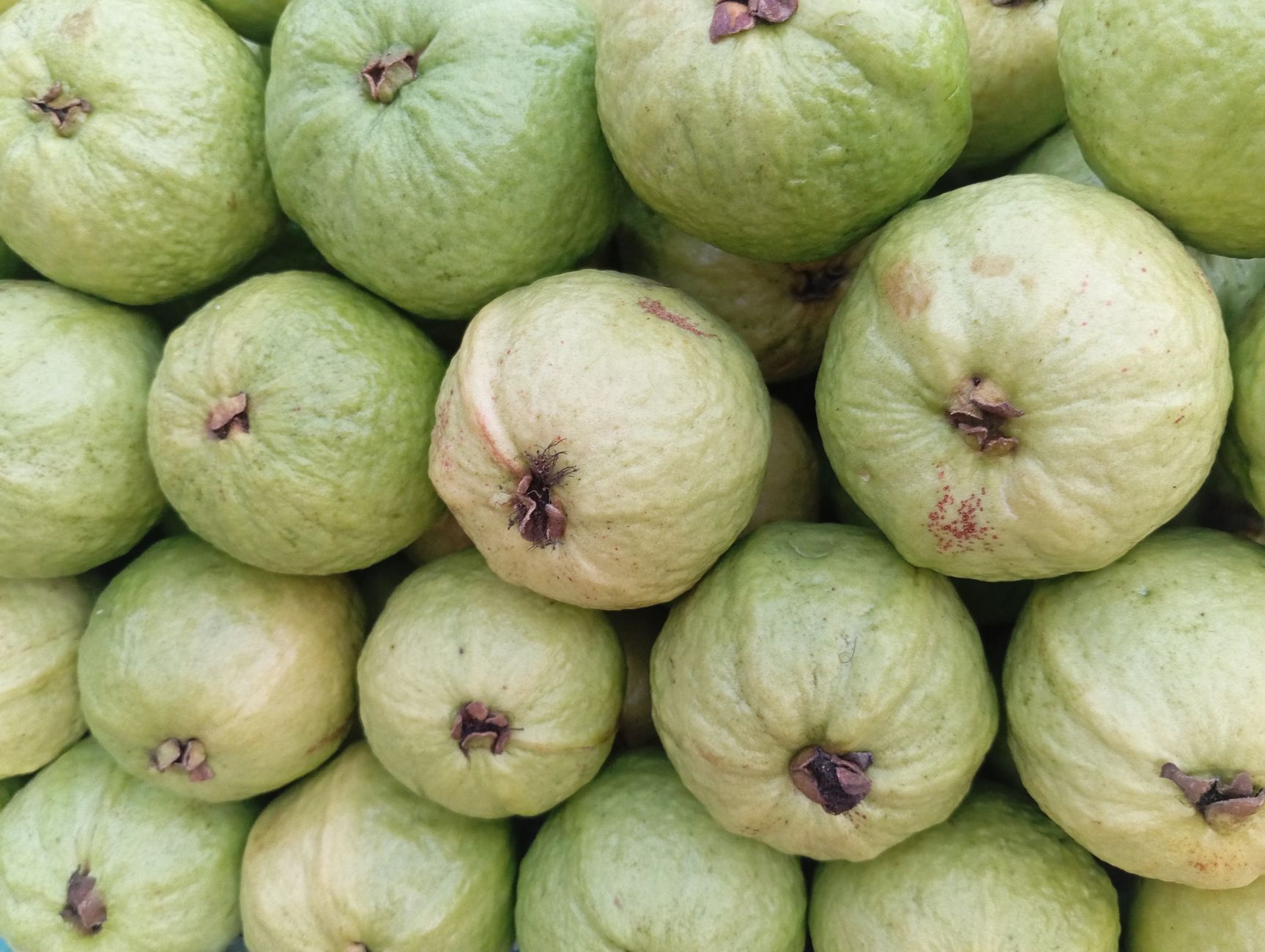
Guava is a tropical fruit that not only delights the palate but also captivates with its distinctive appearance. Understanding what guava looks like can help you better select, enjoy, and incorporate this vibrant fruit into your cooking. In this guide, we will explore the appearance, taste, texture, and various kitchen uses of guava.
This article will provide practical insights into recognizing guavas, their culinary applications, and how to incorporate them into your meals.
What Does Guava Look Like?
Guavas are unique fruits that grow on small trees or shrubs, typically reaching heights of 10 to 30 feet. When ripe, they exhibit a wide range of colors including green, yellow, and pink. The shape can vary from round to oval, depending on the variety.
The skin of guava is typically smooth and can be slightly waxy, often adorned with a few small, edible seeds. The flesh inside can be either soft or slightly firm, with colors ranging from pale yellow to bright pink. Aroma-wise, mature guavas exhibit a sweet and fragrant scent that can be both inviting and intense.
The Different Varieties of Guava
Guavas come in numerous varieties, each with its own unique appearance, flavor, and culinary uses. Here are some popular types:
- Common Guava (Psidium guajava): This variety is typically round or oval, with greenish or yellowish skin. The flesh ranges from pale yellow to pink.
- Strawberry Guava (Psidium cattleianum): Smaller and often more aromatic, this guava has a smooth, reddish or yellow skin and pink or yellow flesh.
- Pink Guava (Psidium guajava): Noted for its striking pink interior, this variety is particularly sweet and aromatic.
- White Guava: This fruit has green skin and white flesh, which is slightly less aromatic than other types.
Taste and Texture of Guava
The taste of guava varies by the type but is generally characterized by a sweet and slightly tangy flavor. Ripe guavas have a juicy texture, often resembling that of a pear. The seeds are edible but can be hard, so individuals may choose to eat around them or consume them based on personal preference.
The flavor profile can often be described as a blend of pear, strawberry, and citrus, making guava a versatile ingredient in various recipes. The unique combination of sweetness and acidity can create delightful pairings in both savory and sweet dishes.
How to Choose and Store Guava
When selecting guavas, look for fruit that is firm yet yields slightly to gentle pressure, indicating ripeness. Avoid fruits with bruises or dark spots. The skin should be smooth and unblemished for the best flavor.
Once you’ve selected your guavas, store them at room temperature until they ripen further. If you need to speed up the ripening process, place them in a paper bag with an apple or banana. Once ripe, guavas can be stored in the refrigerator for several days, although their flavor is best enjoyed fresh.
Culinary Uses for Guava
Guavas are incredibly versatile and can be used in a variety of culinary applications, from beverages to desserts and savory dishes. Here’s how you can incorporate them into your cooking:
1. Guava Juice and Smoothies
Fresh guava juice is a fragrant and refreshing beverage, often enjoyed in tropical locales. You can blend ripe guavas with water and a bit of sugar to taste, then strain the mixture for a smooth drink. Alternatively, combine guava with other fruits like mango or banana in a smoothie for a nutrient-packed breakfast option.
2. Guava Jam and Preserves
Guava preserves are a fantastic way to enjoy its flavor year-round. To make guava jam, cook ripe guavas with sugar, lemon juice, and a splash of water until they break down, then strain and cook again to thicken. This jam is delicious on toast or as a filling for pastries.
3. Guava in Savory Dishes
Guava can also shine in savory dishes. Try adding diced guava to salads or salsas for a refreshing twist. It pairs particularly well with ingredients like lime, chili, and cilantro. Grilled fish or chicken can benefit from a guava glaze or marinade, combining sweetness and acidity.
4. Guava Desserts
In desserts, guava is a star ingredient. Guava flan, cheesecakes, and pastries are just a few examples of how it can be used. Additionally, guava can be incorporated into cakes or served alongside ice cream for a unique treat.
Common Mistakes When Working with Guava
Using guava in your cooking can be straightforward, but here are some common pitfalls to watch out for:
- Using unripe guava: Unripe guavas can be hard and lacking in flavor. Always choose ripe fruit for the best taste.
- Ignoring texture: Guava can become overly mushy if handled too roughly once it’s ripe. Handle gently when slicing and serving.
- Not pairing flavors: Guava’s sweetness can overwhelm dishes if not balanced with acidity. Consider using lime or lemon to enhance the flavors in savory recipes.
Substitution Suggestions for Guava
If you’re in need of a guava substitute, consider these options:
- Pear: A ripe pear can mimic the texture and sweetness of guava in recipes.
- Passion fruit: This fruit has a similar tropical profile and can provide that sweet and tangy contrast.
- Mango: Although much sweeter, mango can be a flavorful substitute in smoothies and salsas.
- Other tropical fruits: Consider using papaya or kiwi to replicate the exotic flair of guava.
Conclusion
Guava is a visually appealing and versatile fruit that adds beauty, flavor, and nutrition to a variety of dishes. Understanding its appearance, taste, and the best ways to use it can enhance your culinary experience. Whether you’re making a refreshing guava smoothie, crafting a homemade jam, or adding a tropical twist to your savory dishes, guava is a delicious ingredient worth exploring.
For more culinary delights, consider checking out different cooking tips, ingredient guides, or recipe ideas to expand your kitchen repertoire.