
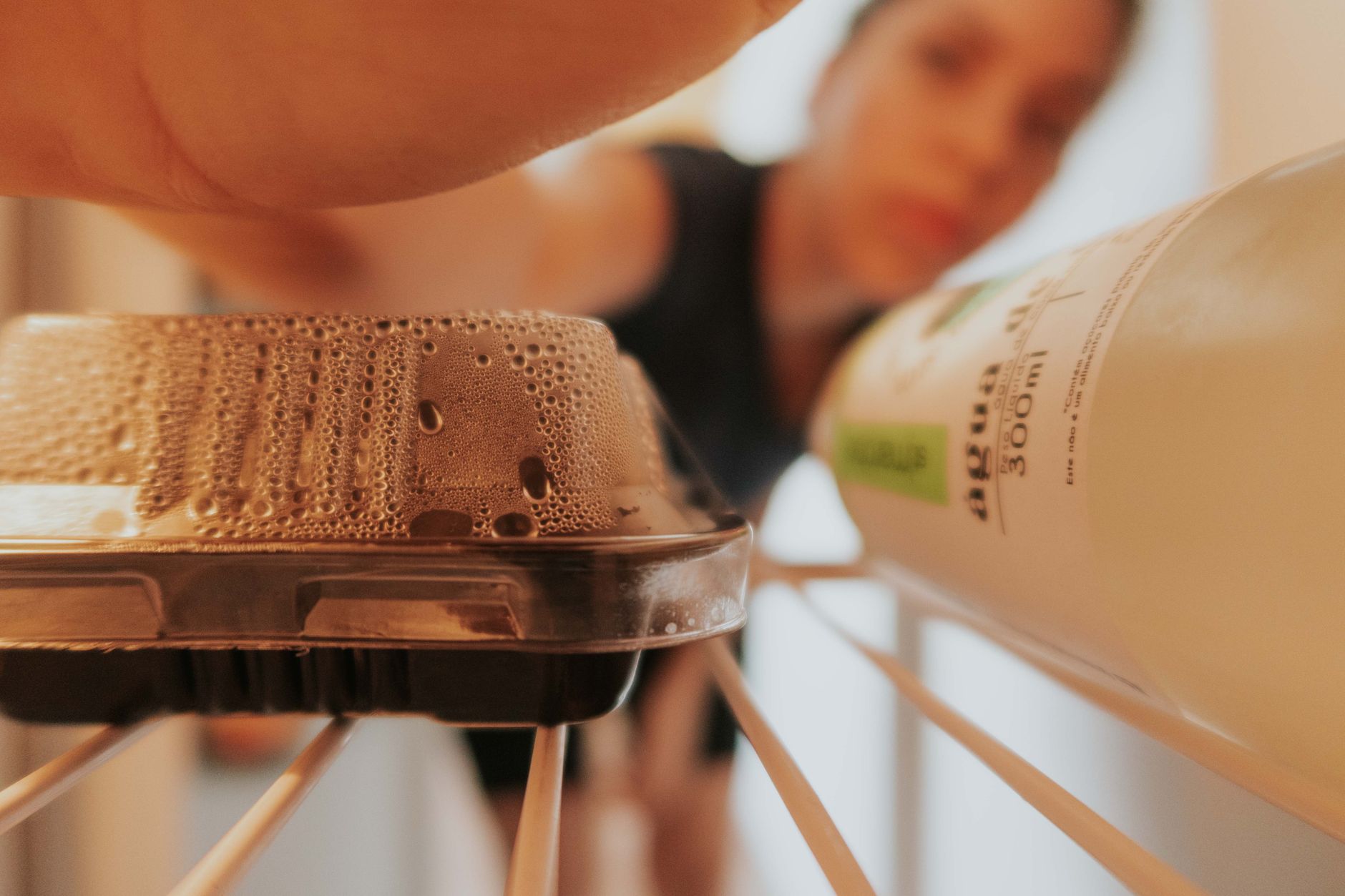
Stuffing is a beloved dish that often accompanies festive meals, such as Thanksgiving and holiday dinners. However, once the celebration ends, many people are left wondering how to store leftovers, especially how long stuffing lasts in the fridge. Understanding proper storage techniques can help you enjoy that comforting dish safely.
This guide provides detailed information about storing stuffing, from how long it can remain fresh to tips for proper reheating. Knowing how to handle leftovers will minimize waste and ensure you can savor the delicious flavors for days to come.
How Long Does Stuffing Last in the Fridge?
Stuffing can typically last in the refrigerator for about three to four days when stored properly. This guideline applies to both homemade and store-bought stuffing. However, factors like ingredients and preparation methods may slightly affect its longevity.
Storage Guidelines for Stuffing
To maximize the shelf life of stuffing in the fridge, proper storage is essential. Here are some key points to consider:
- Cooling: Allow the stuffing to cool to room temperature before refrigerating. Bacteria can thrive if hot food is placed directly into the fridge, raising the overall temperature.
- Container: Use an airtight container to store the stuffing. This prevents moisture loss and protects it from absorbing odors from other foods.
- Labeling: If you’re storing multiple items in your fridge, label your container with the date to keep track of freshness.
Ingredients and Their Impact on Shelf Life
The ingredients in your stuffing can influence how long it stays fresh. Common ingredients include bread, broth, vegetables, and proteins. Here’s how each group can affect storage:
Bread
The type of bread used can impact texture and moisture. For instance, stuffing made with freshly baked bread may spoil faster than that made with stale or dried bread.
Broth
Most stuffing recipes call for some type of broth. The fat content in the broth can also impact shelf life; higher fat content may lead to faster spoilage.
Vegetables
Vegetables can introduce moisture that might promote bacterial growth. If your stuffing contains sautéed onions, peppers, or celery, aim to consume it within a few days.
Proteins
Stuffing that includes proteins, like sausage or seafood, should be consumed more quickly, ideally within one to two days. The presence of meat can significantly reduce the overall shelf life.
Signs of Spoilage
Before consuming leftover stuffing, check for any signs of spoilage. Here are the main indicators to look for:
- Odor: A sour or off smell is a clear sign that the stuffing has gone bad.
- Texture: If the stuffing feels slimy or overly wet, it’s best to discard it.
- Color: Any significant discoloration or the presence of mold indicates spoilage.
Freezing Stuffing for Longer Storage
If you want to keep stuffing for more extended periods, freezing is an excellent option. Stuffing can be safely frozen for about one to two months. Follow these simple steps for freezing:
How to Freeze Stuffing
- Cool the stuffing completely at room temperature.
- Portion the stuffing into airtight freezer bags or containers. Flatten the bags for easier storage and quicker thawing.
- Label each bag or container with the date for reference.
When you’re ready to use the frozen stuffing, thaw it in the refrigerator overnight for the best quality.
Reheating Frozen Stuffing
To reheat stuffing, follow these guidelines:
- Remove the stuffing from the freezer and place it in the refrigerator for a day to thaw.
- Once thawed, add a bit of broth to the stuffing if it seems dry.
- Preheat the oven to 350°F (175°C) and place the stuffing in a baking dish covered with foil.
- Bake for about 20–30 minutes or until heated through. Remove the foil for the last 5–10 minutes to crisp the top if desired.
Common Mistakes to Avoid
When storing stuffing, there are a few pitfalls to avoid that can lead to spoilage or wasted food:
- Not Cooling Before Refrigerating: Always allow stuffing to cool before putting it away, as heat can create condensation that encourages spoilage.
- Using Non-Airtight Containers: Always opt for containers that seal properly to prevent moisture loss and contamination from other foods.
- Storing Improperly: Avoid keeping stuffing in the door of the fridge, where temperatures fluctuate. Instead, place it on a shelf near the back, where it’s colder.
Creative Ways to Use Leftover Stuffing
Rather than simply reheating leftover stuffing, get creative! Here are some delicious ideas to use your leftover stuffing:
- Stuffed Peppers: Mix leftover stuffing with a bit of tomato sauce, stuff into bell peppers, and bake for a hearty meal.
- Stuffed Chicken Breasts: Use the stuffing as a filling for chicken breasts. Bake until the chicken is cooked through for a savory dish.
- Casseroles: Create a casserole with leftover stuffing, some shredded chicken, and vegetables. Top with cheese and bake until bubbly.
Conclusion
Understanding how long stuffing lasts in the fridge is essential for safe and enjoyable meals. By following proper storage techniques, keeping an eye on spoilage signs, and knowing how to freeze or repurpose your stuffing, you can make the most out of your leftovers. Whether it’s a cozy dinner at home or a festive gathering, your leftover stuffing can remain delicious for days to come.
For more delicious recipes and cooking tips, check out our oyster dressing recipe and learn how to make a unique sourdough stuffing!