
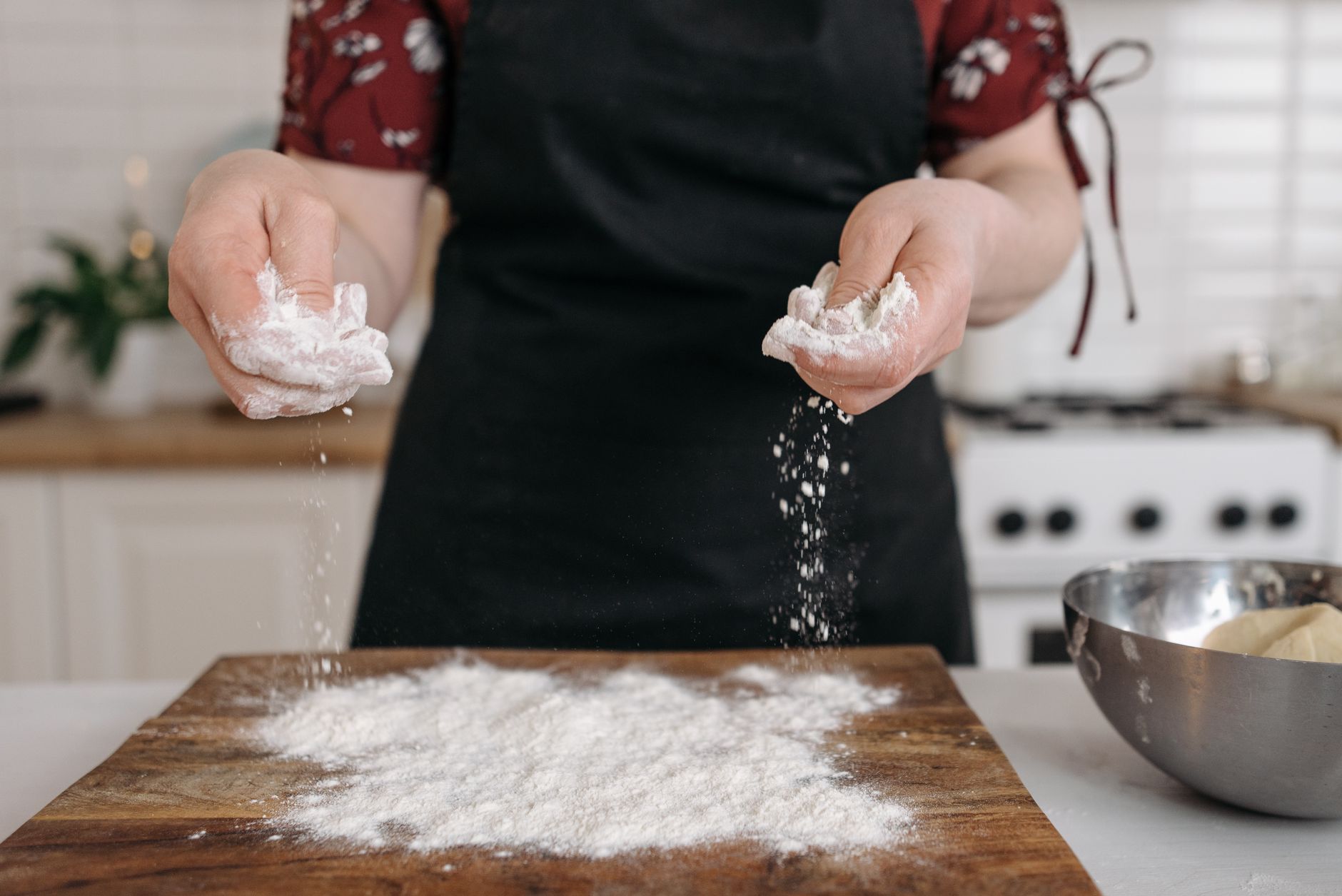
Gravy is a beloved addition to many meals, enriching dishes with its savory flavors and velvety texture. Whether drizzled over mashed potatoes or served alongside roasted meats, gravy elevates the dining experience. Understanding how much flour to use for making gravy is essential for achieving the perfect consistency and flavor.
The right ratio of flour to liquid is crucial in determining the final thickness of your gravy. This guide will help you navigate the flour-to-liquid ratios needed for different types of gravies, as well as provide essential tips, techniques, and potential variations to enhance your culinary skills.
How Much Flour To Make Gravy?
The standard ratio for making gravy typically consists of 1 to 2 tablespoons of flour for every cup of liquid used. For a thicker gravy, aim for 2 tablespoons, whereas 1 tablespoon will yield a lighter consistency. This fundamental ratio can be adjusted based on personal preference or the specific dish being prepared.
Understanding Gravy Types and Their Flour Requirements
Before diving into the cooking process, it’s important to recognize that different types of gravy may slightly alter the amount of flour needed. Here are a few popular varieties:
- Brown Gravy: Made from meat drippings, typically requires 1 to 2 tablespoons of flour per cup of liquid.
- White Gravy: Often made with milk or cream, this variation generally uses 1 tablespoon of flour per cup of liquid for a smooth texture.
- Country Gravy: A thicker version that can use up to 2 tablespoons of flour per cup, especially if you prefer a hearty consistency.
- Vegetarian Gravy: Made from vegetable broth, you can stick to the 1 to 2 tablespoons of flour per cup depending on your preferred thickness.
Essential Ingredients for Making Gravy
Aside from flour, a few other ingredients are key to creating flavorful gravy. Here is a breakdown of what you’ll need:
- Flour: All-purpose flour is the most commonly used type for gravies.
- Fat: A fat source such as butter, oil, or meat drippings helps develop the flavor base.
- Liquid: Broth, stock, or milk are versatile options depending on the type of gravy.
- Seasoning: Salt, pepper, herbs, and spices enhance the flavor profile significantly.
Varieties of Flour and Their Impact on Gravy
While all-purpose flour is standard, other flours can be used based on dietary preferences or desired flavors:
- Cornstarch: For a gluten-free option, use cornstarch as a thickener. You will need about half the amount—1 tablespoon of cornstarch per cup of liquid. Be sure to mix it with cold water to create a slurry before adding to the hot liquid.
- Whole Wheat Flour: This can be used for a nuttier flavor. However, it may require slightly more liquid and has a denser texture.
- Arrowroot Powder: Another gluten-free alternative, similar to cornstarch, and can be used in the same ratio.
Basic Gravy Recipe: Step-by-Step Instructions
Now that you have a grasp of the flour ratios and ingredients, let’s walk through a basic gravy recipe:
Recipe: Simple Brown Gravy
This recipe serves 4 and takes approximately 15 minutes to prepare and cook.
Ingredients:
- Drippings from roasted meat (about 2 tablespoons)
- 2 tablespoons all-purpose flour
- 2 cups beef or chicken broth
- Salt and pepper to taste
- Optional: a teaspoon of Worcestershire sauce or fresh herbs for added flavor
Essential Equipment:
- Skillet or saucepan
- Whisk
- Measuring cups and spoons
Instructions:
- In a skillet over medium heat, add the drippings and allow them to melt.
- Once hot, sprinkle the flour over the drippings. Whisk continuously to create a roux until it becomes golden brown, about 1 to 2 minutes.
- Gradually pour in the broth while whisking to prevent lumps.
- Continue mixing until the gravy thickens, about 5-7 minutes. Adjust the consistency with additional broth if necessary.
- Season with salt, pepper, and optional flavoring ingredients as desired.
- Serve hot over your favorite dishes!
Common Mistakes and Troubleshooting Tips
Even experienced cooks may run into issues when making gravy. Here are some common mistakes and how to prevent or fix them:
- Gravy is Lumpy: If you find lumps, try whisking vigorously or using an immersion blender to smooth it out. For best results, add the flour to the fat first and mix before adding liquid.
- Gravy is Too Thin: If your gravy fails to thicken, mix an additional tablespoon of flour or cornstarch with cold water to create a slurry. Add gradually to the hot gravy, whisking until thickened.
- Gravy is Too Thick: To thin down overly thick gravy, slowly stir in more broth or water until you reach your desired consistency.
- Flavor Issues: If your gravy lacks flavor, boost it with additional seasoning, broth, or a splash of vinegar or Worcestershire sauce.
Variations on Basic Gravy
Once you master the basic gravy recipe, feel free to experiment with variations to suit your taste or the dish you are serving.
- Herb-Infused Gravy: Add chopped fresh herbs like thyme or rosemary to the gravy during the heating process for enhanced flavors.
- Spicy Gravy: For a kick, incorporate crushed red pepper flakes or hot sauce to create spicy variations.
- Mushroom Gravy: Sauté sliced mushrooms in your fat before adding flour to create a rich, earthy flavor.
- Vegetable Gravy: Replace broth with vegetable stock and add sautéed vegetables like onions, carrots, and celery for a rich, hearty vegetarian option.
Making Gravy Ahead of Time
Gravy can be made ahead of time, making meal preparation easier, especially during holidays or special occasions. Follow these guidelines:
- Cooling: Allow the gravy to cool completely before transferring it to airtight containers.
- Storage: Refrigerate for up to 3 days or freeze for longer preservation. When freezing, consider using ice cube trays for smaller portions.
- Reheating: When ready to use, gently reheat on the stovetop over medium heat, adding a splash of broth or water to reach the desired consistency.
Serving Suggestions for Gravy
Gravy pairs well with a variety of dishes. Here are some classic serving ideas:
- Mashed Potatoes: Pour over buttery mashed potatoes for an indulgent side.
- Roast Meats: Serve alongside roast turkey, chicken, or beef to enhance the overall meal experience.
- Biscuit and Gravy: A Southern favorite, smother fluffy biscuits with sausage gravy for breakfast or brunch.
- Meatloaf: Elevate meatloaf by drizzling gravy on top before serving.
Final Thoughts on Gravy Making
Knowing how much flour to use for gravy is a vital skill that can enhance your cooking repertoire. With practice, you’ll discover the right consistency and flavor that suits your palate. Remember the basic flour-to-liquid ratio, and feel free to adapt ingredients and techniques to create gravies that complement your favorite dishes.
For more gravy recipes, check out this white gravy recipe or try this delicious ham gravy recipe.