
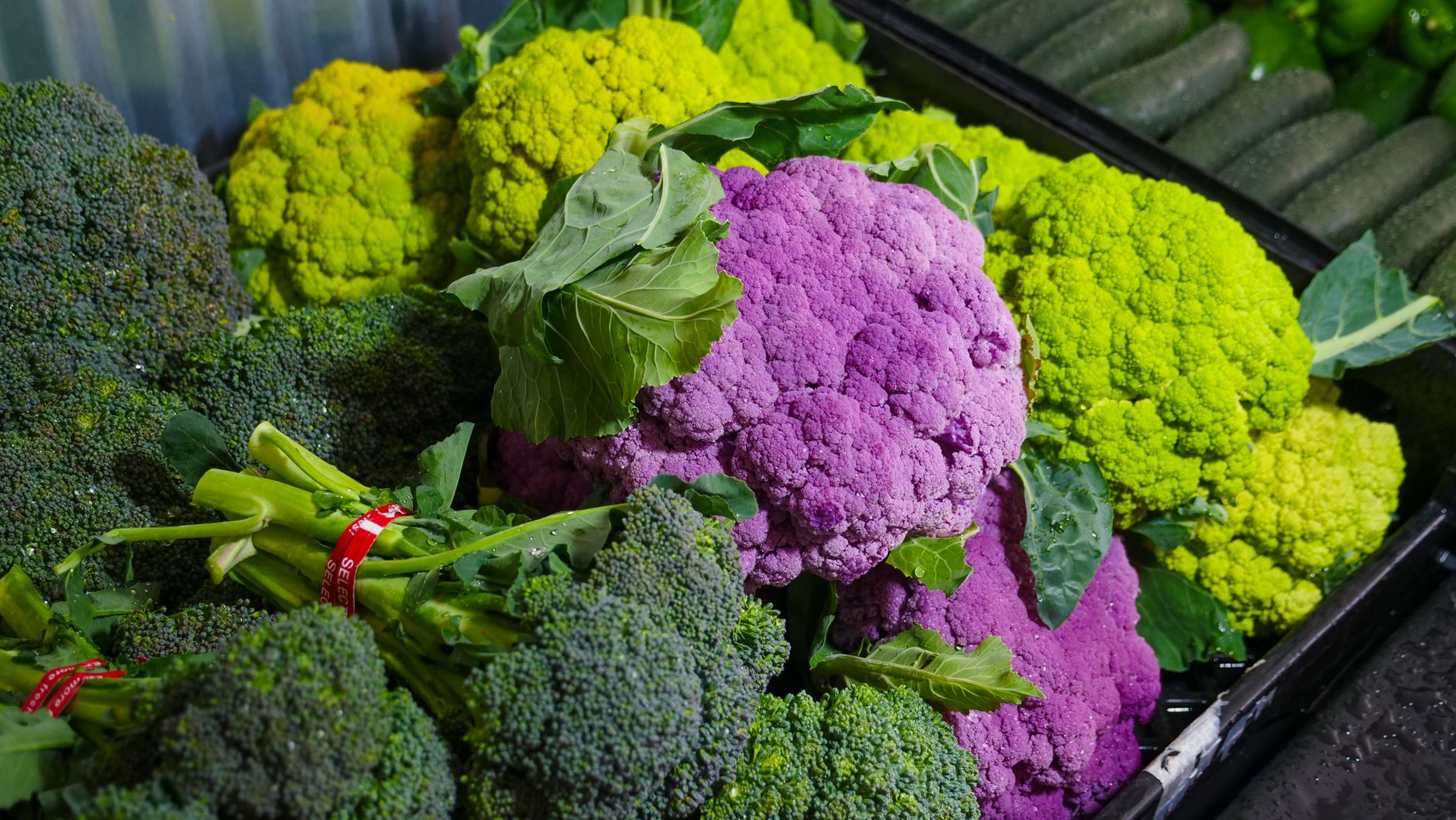
Broccoli is a nutritious vegetable packed with vitamins and minerals, making it a popular choice in many households. Understanding how to store broccoli properly can significantly impact its freshness and longevity. In this article, we will explore how long broccoli lasts in the refrigerator, best storage practices, and tips for extending its shelf life.
Whether you buy your broccoli fresh or pre-cut, knowing how to maintain its quality will help you get the most out of this versatile vegetable. We will also delve into what to look for when purchasing broccoli and how to tell if it has gone bad. Let’s get started!
How Long Does Broccoli Last in the Fridge?
Broccoli typically lasts about 3 to 7 days in the refrigerator, depending on its freshness at the time of purchase and how you store it. When kept in an airtight container or wrapped in a damp paper towel and placed in a plastic bag, broccoli can stay fresh longer.
To maximize its shelf life, consider the following storage tips and practices to keep your broccoli vibrant and crunchy.
Understanding Freshness: Factors Affecting Longevity
When it comes to broccoli, freshness plays an essential role in determining how long it will last in your fridge. Several factors can influence its longevity:
- Harvest Time: The time from when broccoli is harvested to when you buy it directly influences its freshness. Freshly harvested broccoli will last longer than broccoli that has been on the shelf for days.
- Storage Conditions: Proper storage in the refrigerator can help maintain the quality of broccoli. Broccoli thrives in a cool environment with high humidity.
- Preparation: Pre-cut or washed broccoli tends to spoil faster than whole heads because the protective outer layer is compromised.
- Variety: Different types of broccoli can have varying shelf lives. For example, broccolini or baby broccoli may spoil more quickly than standard broccoli.
Tips for Storing Broccoli
To ensure your broccoli remains fresh for as long as possible, it’s essential to store it correctly. Here are some effective storage tips:
Keep It Whole
Whenever possible, store your broccoli whole. This helps retain its moisture and nutrients. If you’ve purchased pre-cut broccoli, try to use it within a few days to prevent spoilage.
Wrap It Properly
Wrapping broccoli in a damp paper towel before placing it in a plastic bag can help maintain moisture levels. This method mimics the humid conditions broccoli prefers while protecting it from excess moisture that can lead to mold.
Store in the Crisper Drawer
The crisper drawer of your refrigerator is the optimal space for storing broccoli. This section offers a high humidity environment that prevents the vegetable from wilting.
Airtight Containers
If you have cut broccoli or leftovers, store them in airtight containers to prevent them from absorbing odors from other foods in the fridge.
Avoid Washing Until Ready to Use
Washing broccoli before storing can introduce moisture, promoting decay. It’s best to wash your broccoli just before use, ensuring it stays dry and crisp during storage.
Signs Broccoli Has Gone Bad
- Color Changes: Fresh broccoli is bright green. If you notice yellowing florets, it’s a sign that the vegetable is past its prime.
- Wilting: Broccoli should feel firm and crisp. If it becomes limp or wilts considerably, it’s time to discard it.
- Smell: A strong, unpleasant odor is an indication that the broccoli has spoiled. Fresh broccoli should have a mild, earthy scent.
- Soft Spots: Uneven textures or soft spots may signal decay. These should not be ignored, as they can affect the overall quality of the vegetable.
How to Extend the Life of Broccoli
There are several methods to extend the life of broccoli, enabling you to enjoy it fresh for longer:
Freeze Broccoli
If you know you won’t be able to use your broccoli soon, freezing is an effective way to preserve it. Here’s how to do it:
- Wash: Rinse the broccoli thoroughly under cold water to remove any dirt or pesticides.
- Cut: Cut the broccoli into florets, ensuring none are too large.
- Blanch: Boil water and briefly blanch the florets for 2-3 minutes, then shock them in ice water to stop the cooking process.
- Dry: Allow the broccoli to dry completely before freezing.
- Store: Place the broccoli in airtight freezer bags, removing any excess air, and label them with the date.
Use in Cooking
Incorporating broccoli into meals in various ways can help ensure you use it before it spoils. Consider the following ideas:
- Stir-Fries: Broccoli works well in stir-fries mixed with proteins and other vegetables.
- Soups: Blending broccoli into soups can be a delicious way to incorporate it into your diet.
- Salads: Raw broccoli can provide a crunchy texture to salads.
- Roasting: Roasted broccoli with olive oil and seasonings makes a great side dish.
Cooking with Broccoli
Broccoli is an incredibly versatile vegetable that can be prepared in various ways. Here are some popular methods to cook broccoli:
Steaming
Steaming is one of the healthiest ways to cook broccoli, as it helps retain its nutrients and texture. Follow these simple steps:
- Prepare the Broccoli: Cut the broccoli into equal-sized florets for even cooking.
- Boil Water: Fill a pot with about an inch of water and bring it to a boil.
- Steam: Place the broccoli in a steamer basket above the boiling water, cover, and steam for 4-6 minutes, or until bright green and tender-crisp.
Roasting
Roasting broccoli brings out its natural sweetness and offers a crispy texture. Here’s how to do it:
- Preheat Oven: Preheat your oven to 425°F (220°C).
- Prepare the Broccoli: Cut the broccoli into florets and toss with olive oil, salt, and pepper.
- Roast: Spread the broccoli on a baking sheet and roast for 20-25 minutes, flipping halfway through until crispy and caramelized.
Stir-Frying
Stir-frying is a quick and flavorful way to enjoy broccoli. Use the following steps:
- Prep Components: Cut the broccoli and any other desired vegetables or proteins.
- Heat Oil: Heat a tablespoon of oil in a skillet or wok over high heat.
- Stir-Fry: Add the vegetables and stir continuously for about 5-7 minutes until crisp-tender. Add sauces for flavor if desired.
Common Mistakes When Storing and Cooking Broccoli
Here are some common pitfalls to avoid when dealing with broccoli:
- Storing with Moisture: Don’t store broccoli wet; excess moisture encourages mold and spoilage.
- Overcooking: Be careful not to overcook broccoli. Overcooked broccoli can turn mushy and lose its vibrant color and nutrients.
- Neglecting to Check Freshness: Regularly inspect your stored broccoli to avoid missing signs of spoilage.
When Is the Best Time to Buy Broccoli?
The best time to buy broccoli is during its peak season, which typically runs from late fall to early spring. During these months, it tends to be fresher, more flavorful, and more affordable. Additionally, purchasing broccoli from farmers’ markets or local farms may provide access to freshly harvested produce.
Final Thoughts
Broccoli is not only a nutritious addition to any meal but also easy to store and cook if handled correctly. By following proper storage practices, you can extend its life in the refrigerator and enjoy its many uses in your kitchen. Always watch for signs of spoilage and remember to incorporate this versatile vegetable into your meals.
To further enhance your cooking repertoire, consider exploring related topics such as how long broccoli lasts in the fridge and how long cooked ground beef is good in the fridge. These guides will help you maintain the quality of your ingredients and plan more effective meals.