
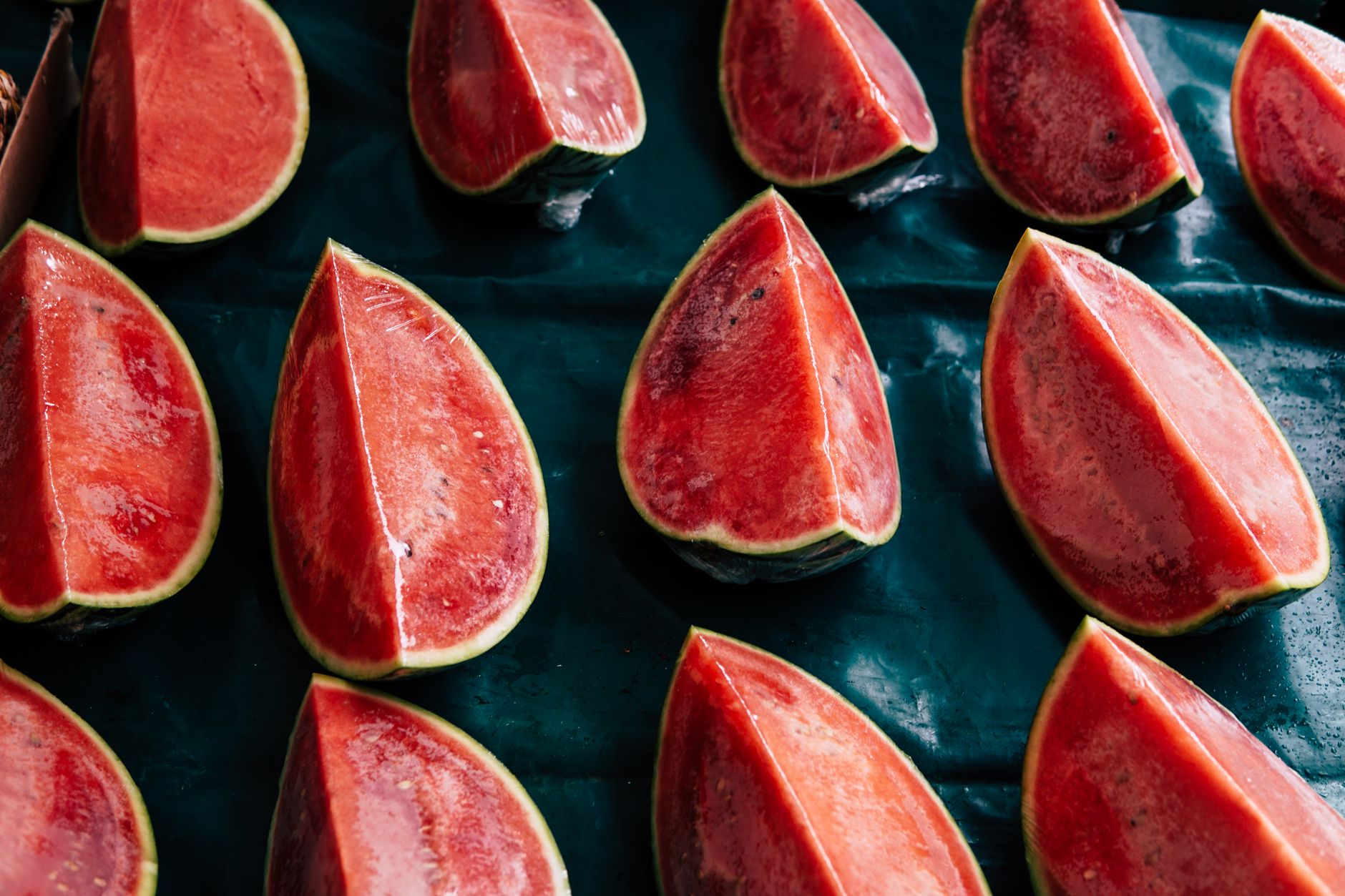
Watermelon is a beloved summer fruit known for its refreshing taste and vibrant color. But have you ever wondered just how much of watermelon is water? Understanding the water content of watermelon can help you appreciate its hydrating qualities and nutritional benefits, making it a perfect addition to your diet.
This article delves into what percentage of watermelon is water, explores its nutritional profile, and discusses various practical uses and recipes for this delicious fruit.
What Percentage of Water Is Watermelon?
Watermelon is composed of approximately 92% water. This high water content makes it an excellent hydrating snack, especially during hot weather or after exercise, providing both refreshment and essential hydration.
Nutritional Profile of Watermelon
Watermelon is not just water; it has several nutrients and compounds that contribute to its health benefits. Here’s a breakdown of its nutritional content per one cup (154 grams) of diced watermelon:
- Calories: 46
- Water: 92% (approximately 142 grams)
- Carbohydrates: 11.6 grams
- Fiber: 0.4 grams
- Sugars: 9.4 grams
- Protein: 0.9 grams
- Fat: 0.2 grams
- Vitamins: Especially high in vitamin C (21% of the Daily Value) and vitamin A (18% of the Daily Value)
- Minerals: Contains potassium, magnesium, and small amounts of other vitamins and minerals
The low-calorie and high-water content of watermelon make it suitable for various diets, from weight loss to hydration-focused eating plans.
Health Benefits of Watermelon
Given its high water content and array of nutrients, watermelon offers several health benefits:
Hydration
The most significant benefit is hydration. Watermelon’s high water percentage helps keep you hydrated, making it an excellent choice for warm weather or post-exercise recovery.
Rich in Antioxidants
Watermelon contains high levels of antioxidants such as lycopene, which has been linked to various health benefits, including reduced risk of heart disease and certain types of cancer.
Nutrient Dense
Despite being low in calories, watermelon is packed with vitamins, particularly vitamin C and vitamin A, which are crucial for skin health and immune function.
The small amounts of fiber in watermelon, combined with its water content, support digestive health by promoting movement within the digestive tract.
Practical Uses for Watermelon
Watermelon’s juicy sweetness and versatility make it suitable for numerous culinary applications. Here are some practical uses to incorporate watermelon into your diet:
Snacking
One of the simplest ways to enjoy watermelon is as a snack. Simply cut it into wedges or cubes and serve chilled. For a twist, sprinkle some sea salt or lime juice to enhance its natural flavors.
Salads
Watermelon makes an excellent addition to salads. Combine it with ingredients like feta cheese, mint, and arugula for a refreshing summer salad. The contrast of the sweet watermelon with salty feta creates a delightful flavor combination.
Smoothies
Blending watermelon into smoothies will give your drink a hydrating boost. Pair it with ingredients like bananas, spinach, or yogurt for a nutritious, refreshing beverage.
Infused Water
For those who find plain water boring, watermelon-infused water can provide a tasty twist. Simply add slices of watermelon and some mint leaves to a pitcher of water to enjoy a fruity hydration boost.
Frozen Treats
Watermelon can be transformed into delicious frozen treats. Puree the fruit and pour it into molds to create refreshing popsicles, or blend it with yogurt for a creamy dessert.
Grilled Watermelon
Grilling watermelon intensifies its sweetness and adds a charred flavor. Cut slices, grill them for a few minutes on each side, and serve them as a side dish or dessert, possibly drizzled with balsamic reduction.
Creative Watermelon Recipes
If you’re looking for new and exciting ways to enjoy watermelon, here are some recipes to inspire you:
Watermelon Feta Salad
This simple yet flavorful salad beautifully combines sweet, juicy watermelon with creamy feta cheese.
Ingredients:
- 4 cups watermelon, cubed
- 1 cup feta cheese, crumbled
- 1/4 cup fresh mint leaves, chopped
- 2 tablespoons olive oil
- 1 tablespoon balsamic vinegar
- Salt and pepper to taste
Instructions:
- In a large bowl, combine the cubed watermelon, crumbled feta, and chopped mint.
- In a small bowl, whisk together the olive oil, balsamic vinegar, salt, and pepper.
- Drizzle the dressing over the salad and toss gently to combine.
- Serve immediately and enjoy!
Watermelon Smoothie
This refreshing watermelon smoothie is perfect for a hot summer day.
Ingredients:
- 2 cups watermelon, cubed and frozen
- 1 banana
- 1/2 cup yogurt (or non-dairy alternative)
- 1 tablespoon honey (optional)
- Mint leaves for garnish
Instructions:
- In a blender, combine the frozen watermelon, banana, yogurt, and honey.
- Blend until smooth and creamy.
- Pour into a glass and garnish with mint leaves.
- Serve immediately and enjoy this light, refreshing drink.
Watermelon Storage and Preparation Tips
Knowing how to properly store and prepare watermelon can enhance the eating experience. Here are some tips:
Choosing Watermelon
When selecting a watermelon, look for a firm, symmetrical shape with a uniform color. A field spot (the area that rested on the ground) should be creamy yellow. When tapped, a ripe watermelon produces a deep, hollow sound.
Storage
Whole watermelon can be stored at room temperature for about a week. Once cut, cover the leftover pieces with plastic wrap or store in an airtight container in the refrigerator for up to 3 days. For longer storage, consider freezing watermelon cubes.
Preparing Watermelon
Wash the watermelon under running water to remove any dirt or bacteria from the surface. Use a sharp knife to cut it into desired shapes, whether cubes, wedges, or sticks.
Common Mistakes When Handling Watermelon
Here are some common mistakes to avoid for the best watermelon experience:
- Overripe Watermelon: Look for signs of over-ripening, such as a very soft texture or excessive bruising.
- Improper Storage: Avoid storing cut watermelon at room temperature; refrigerate it to slow spoilage.
- Avoiding the Rind: Don’t forget that the rind is edible; it can be pickled or used in stir-fries or salads.
Watermelon and Other Ingredients: Substitutions
Watermelon can sometimes be substituted for other fruits in various recipes. Here are a few alternatives and their effects:
- Cantaloupe: Similar sweetness and texture but less watery.
- Honeydew: Another sweet option, but honeydew offers a slightly different flavor profile.
- Pineapple: Much sweeter and tropical, can be used in salads but offers a different texture.
When making a recipe, consider how substitutions may change the overall flavor and texture of the dish.
Conclusion
With approximately 92% water content, watermelon is an incredibly hydrating fruit that’s both refreshing and nutritious. Its versatility allows for many creative culinary uses, from salads and smoothies to grilling. Embrace this summer delight, and consider experimenting with the recipes and tips shared here for a delightful addition to your meals.
Feel free to explore more related recipes and guides, such as whether you can freeze watermelon or discover the benefits of chia seeds in your cooking adventures!