
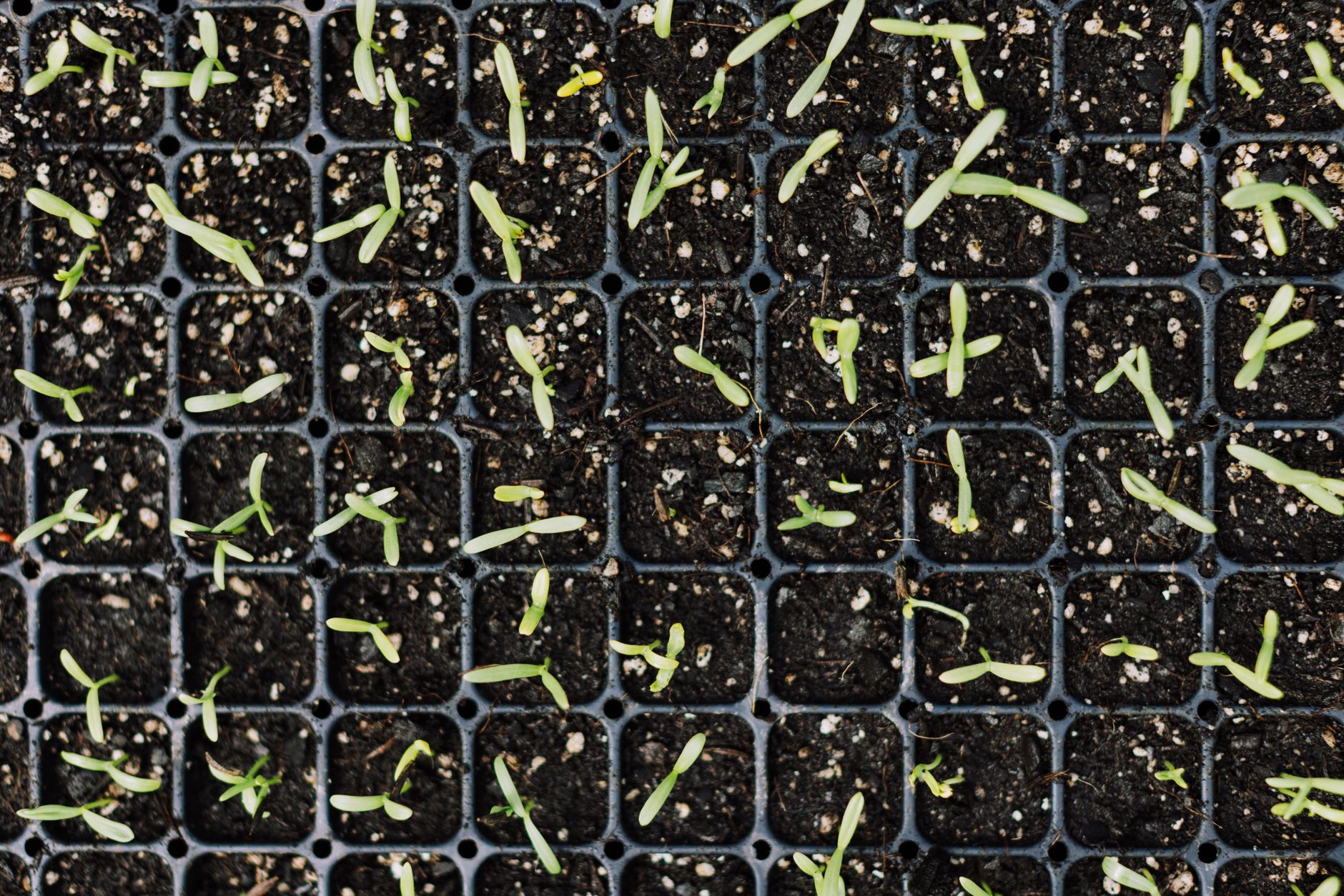
Sprouting is an ancient practice that transforms seeds, grains, and legumes into nutrient-rich superfoods. This process not only enhances the flavor and digestibility of these ingredients but also increases their nutritional profile by breaking down phytic acid and making vitamins and minerals more bioavailable.
In this comprehensive guide, we’ll explore what sprouting is, how to sprout various ingredients, the flavors it brings, and the best ways to serve your sprouted foods. Understanding how sprouting works can add an exciting dimension to your meals and improve your overall health.
What Is Sprouting?
Sprouting is the process of germinating seeds, grains, or legumes by soaking and draining them until they grow shoots or small roots. This activity not only opens up a whole new world of flavors and textures but also packs a punch in terms of nutrient density. For example, a sprouted seed contains higher levels of vitamins, minerals, and enzymes compared to its unsprouted counterpart.
What Ingredients Can Be Sprouted?
Many types of seeds, grains, and legumes can be successfully sprouted. The most common ones include:
- Beans (e.g., mung beans, adzuki beans)
- Grains (e.g., wheat, barley, quinoa)
- Nuts (e.g., almonds, hazelnuts)
- Seeds (e.g., sunflower seeds, pumpkin seeds, chia seeds)
Each of these ingredients has its own unique flavor profile and nutritional benefits. Sprouting can enhance the taste and make them a delightful addition to salads, smoothies, and even baked goods.
Flavor Profile of Sprouted Ingredients
Generally, sprouted ingredients have a fresh, nutty flavor with a slight crunch. The sprouting process can add subtle sweetness and reduce bitterness in certain beans and grains, making them more palatable. For example:
- Mung Beans: Sweet and mild, perfect for stir-fries or salads.
- Quinoa: Nutty flavor with a fluffy texture, excellent in grain bowls.
- Chia Seeds: Earthy with a mild flavor, great in puddings or smoothies.
Sprouted grains often have a slightly sweeter flavor and a more toothsome texture than their unsprouted counterparts. This can make a sprouted bread ingredient more wholesome and delicious.
How to Sprout Ingredients: A Step-by-Step Guide
Sprouting at home is an easy and economical way to enhance your meals. Here’s a straightforward method that works for most seeds, grains, and legumes:
Essential Equipment
- Glass jar with a wide mouth or a sprouting tray
- Cheesecloth or fine mesh strainer
- Rubber band (if using cheesecloth)
- Water
Step-by-Step Sprouting Method
- Choose Your Seeds: Select high-quality, organic seeds, grains, or legumes that are meant for sprouting.
- Rinse: Measure out about 1/2 cup of your chosen ingredient and rinse it under cold running water.
- Soak: Place the rinsed seeds in a jar, cover with water, and let them soak for 8-12 hours. Ensure they are fully submerged.
- Drain: After soaking, thoroughly drain the water through the mesh or cheesecloth. Rinse the seeds again with fresh water.
- Sprout: Invert the jar to allow air circulation and place it in a warm, dark area. Rinse and drain the seeds 2-3 times a day.
- Harvest: After 3-5 days, you’ll notice small sprouts emerging. When the sprouts are about 1-2 inches long, give them one final rinse and drain. They’re now ready to use!
Common Mistakes When Sprouting
While sprouting is relatively straightforward, here are a few common pitfalls to avoid:
- Insufficient Rinsing: Not rinsing the seeds adequately can lead to mold growth. Always make sure to rinse thoroughly.
- Too Much Water: Ensure the seeds are well-drained after soaking. Excess water can cause rot.
- Temperature Levels: A too-cold or too-hot environment can slow down or halt the sprouting process. Aim for a consistent, moderate temperature.
Serving Suggestions for Sprouted Ingredients
Once you’ve successfully sprouted your ingredients, the possibilities of how to use them are limitless. Here are some practical ways to incorporate sprouted foods into your meals:
In Salads
Sprouted beans add a lovely crunch and nutritional boost to salads. Consider making a sprouted mung bean salad with diced cucumbers, tomatoes, and a zesty lemon dressing.
In Smoothies
Blend sprouted chia seeds into your smoothies for added fiber and healthy fats. They can also be used to thicken the smoothie naturally.
In Baked Goods
Sprouted wheat flour can be utilized in muffins, breads, and pancakes. It adds more flavor and nutrition, enhancing your baked goods significantly.
In Wraps and Sandwiches
Add sprouted grains like quinoa or barley to your favorite wraps for enhanced texture. Blend with leafy greens and other favorite fillings for a deliciously nutritious meal.
Trying Different Sprouted Ingredients
It can be fun to experiment with different ingredients, each bringing unique flavors and textures. Understanding the versatility of various sprouted ingredients can enhance your culinary creativity. Here’s a quick overview of some common sprouted foods and when to use them:
Mung Beans
These tiny green beans have a fresh, slightly sweet flavor. They’re great in salads, stir-fried dishes, or as a crunchy topping for soups.
Alfalfa Sprouts
These sprouts are delicate and mild, perfect for sandwiches and salads. Their subtle flavor adds a lovely freshness.
Broccoli Sprouts
Rich in phytonutrients, these sprouts have a spicy, peppery flavor. Use them in salads or as a garnish on your dishes for a nutrient boost.
Chia Seeds
When sprouted, chia seeds develop a gelatinous texture that can be used in puddings or smoothies. They also stay crunchy in salads, adding a pleasing texture.
Nutritional Benefits of Sprouting
Sprouted foods are often more nutritious than their unsprouted forms. They tend to have increased levels of:
- Vitamins (especially B vitamins)
- Minerals (such as iron and zinc)
- Protein content (higher in legumes)
- Digestive enzymes that help break down food, improving absorption
In addition to enhancing nutrient density, sprouting reduces antinutrients like phytic acid, helping increase mineral absorption. This makes sprouted ingredients an excellent choice for a nutrient-rich diet.
How to Store Sprouted Ingredients
Storing your sprouted foods properly will help maximize their shelf life:
- Keep sprouted ingredients in a sealed container in the refrigerator for 3-5 days.
- Rinse them before using to ensure freshness.
- For longer-term storage, consider freezing sprouts. They lose some texture upon thawing, but still retain much of their nutritional value.
Incorporating Sprouting Into Meal Planning
Sprouting can easily be integrated into your meal planning routine. Consider the following strategies:
Batch Cooking
Dedicate one day a week to sprout various ingredients. Having a selection of sprouted lentils, beans, and grains on hand makes it easy to add to meals throughout the week.
Menu Ideas
Create meals around sprouted ingredients. For instance, a sprouted quinoa bowl with roasted vegetables and tahini dressing makes for an easy lunch or dinner option.
Ingredient Overlap
Using sprouted ingredients in multiple meals maximizes freshness and helps reduce waste. Incorporate sprouted beans into a variety of dishes, from salads to soups, for diverse flavors throughout the week.
Conclusion
Sprouting offers an exciting way to elevate the flavors and nutrition of your meals. By understanding the sprouting process and incorporating a variety of sprouted ingredients into your diet, you can broaden your culinary horizons and enjoy the numerous health benefits they bring. Start sprouting today for a nutritious and flavorful boost to your everyday meals!
Explore our detailed guide on cooking bean sprouts or try making chia pudding with coconut milk for delicious ways to include sprouted ingredients in your recipes.