
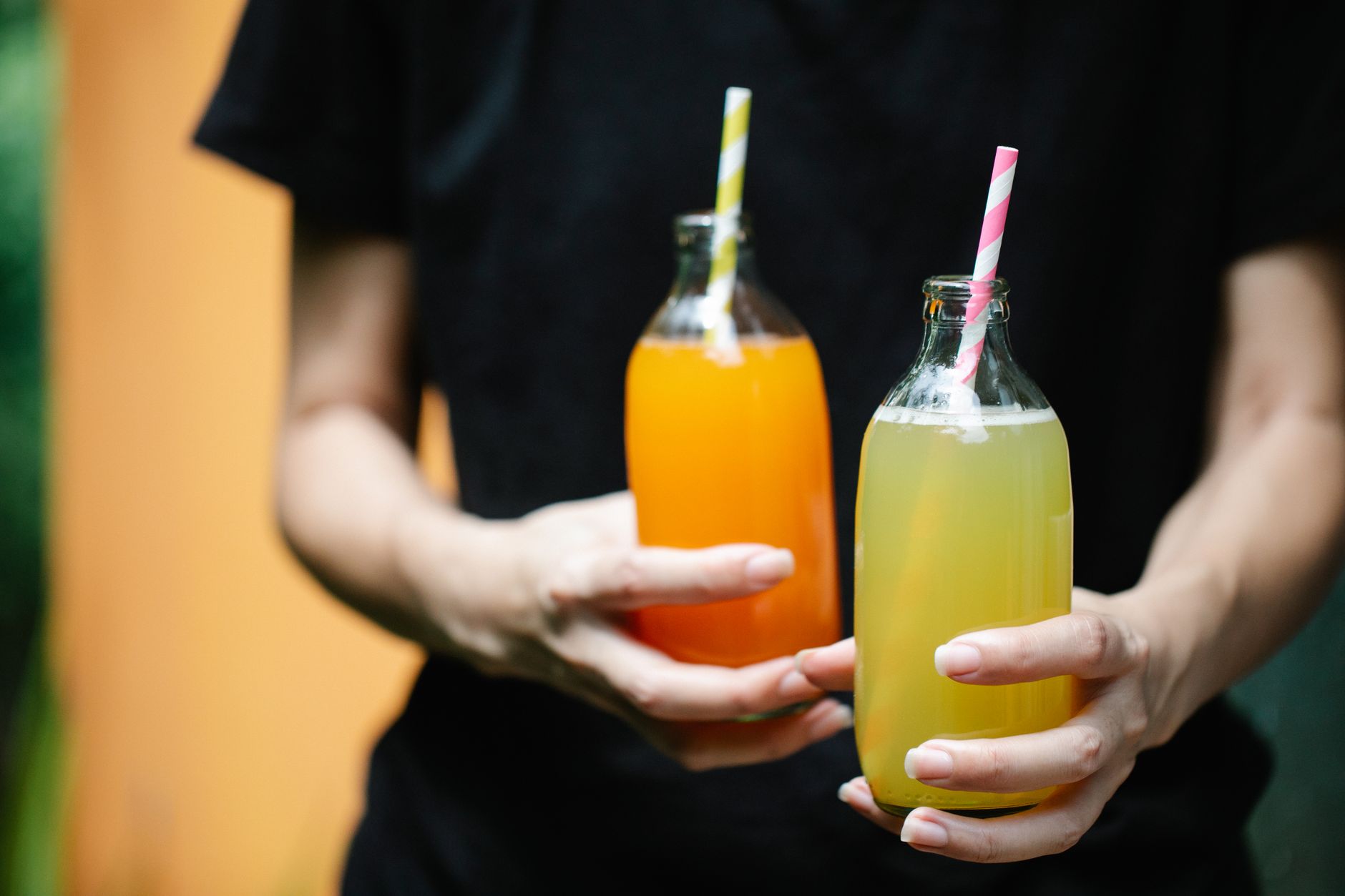
Understanding the shelf life of juice after opening is essential for food safety and maintaining optimal flavor. Many people pour themselves a refreshing glass, only to wonder how long their favorite drink remains safe and tasty once the carton or bottle is opened. Following proper storage practices can help extend the quality of the juice, making the most out of the product.
This article will explore how long juice is good for after opening, the factors that influence its shelf life, and tips for storing juice effectively. Whether you’re enjoying store-bought or homemade juice, it’s important to ensure you’re consuming it while it’s still fresh.
How Long Is Juice Good for After Opening?
Once opened, most types of juice can last anywhere from 3 to 10 days when refrigerated, depending on the type of juice and storage conditions. However, many juices may begin to lose quality or spoil at different rates. It’s crucial to check for signs of spoilage and to store juice properly to maximize its shelf life.
Factors Affecting Juice Shelf Life
Several factors can influence how long opened juice will remain good. Understanding these factors can help you preserve the quality of your juice for as long as possible.
Type of Juice
The type of juice plays a significant role in its shelf life after opening. Here are some common types of juice and their approximate shelf life:
- Citrus Juices (e.g., orange, grapefruit): 3 to 5 days
- Apple Juice: 5 to 7 days
- Grape Juice: 5 to 7 days
- Berry Juices (e.g., cranberry, blueberry): 5 to 7 days
- Vegetable Juices: 3 to 7 days
- Fresh Cold-Pressed Juices: 3 to 5 days
- Store-Bought Juices with Preservatives: 7 to 10 days
Storage Conditions
How you store juice after opening significantly affects its freshness. Following the right storage practices can help extend its shelf life:
- Refrigerate Immediately: After opening, always refrigerate juice. Leaving juice at room temperature can encourage bacterial growth and spoilage.
- Keep the Container Sealed: Close the cap or seal tightly after pouring. Exposure to air can lead to oxidation, causing off-flavors and promoting spoilage.
- Avoid Contamination: Always use clean cups or glasses when pouring juice. Contaminated utensils can introduce bacteria and spoilage.
Ingredient Quality
The initial quality of the juice also impacts its longevity after opening. High-quality juices made from fresh ingredients often have a longer shelf life than low-quality, preservative-laden options.
Signs of Spoiled Juice
Even with proper storage, it’s important to check for signs that your juice has gone bad. If you notice any of the following indications, it’s time to discard the juice:
- Unpleasant Odor: If the juice smells off or sour, it’s no longer safe to drink.
- Change in Color: If the juice has darkened significantly or exhibits unusual coloration, it’s a sign of spoilage.
- Separation: While some juices may naturally separate, excessive separation or an unusual layer on top can indicate spoilage.
- Off Taste: A sour or otherwise off flavor means the juice should not be consumed.
How to Store Juice Effectively
Knowing how to store juice properly can help maximize its shelf life while maintaining freshness and flavor. Here are some practical tips:
Proper Refrigeration
Always store juice in the refrigerator at a temperature of 40°F (4°C) or below. Keeping juice at this temperature slows down the growth of bacteria and extends freshness. Here are additional tips:
- If your refrigerator doesn’t have a specific juice shelf, store juice on middle or lower shelves rather than the door, where temperatures can fluctuate more.
Container Considerations
If possible, transfer juice to an airtight glass container if it comes in a plastic bottle or carton. Glass containers help prevent chemical additives that can sometimes leach from plastic. Here’s what to keep in mind:
- Ensure that your container is clean and dry before pouring the juice in.
- Label the container with the date you opened it to track its freshness.
Freezing Juice for Long-Term Storage
If you can’t consume juice within its recommended shelf life, consider freezing it. Here’s how to do it safely:
- Pour juice into an airtight freezer-safe container, leaving some space at the top for expansion.
- Juice can typically be frozen for up to a year while retaining quality.
- To use frozen juice, thaw it in the refrigerator overnight before consuming. Shake or stir well before serving.
Understanding Juice Types: Fresh vs. Processed
The type of juice significantly impacts how long it stays good after opening. Fresh juice, such as homemade or cold-pressed varieties, tends to have a shorter shelf life due to the lack of preservatives. On the other hand, processed juices often contain preservatives, extending their freshness. Here’s a closer look at the differences:
Fresh Juice
Freshly squeezed or cold-pressed juices are known for their vibrant flavors and high nutrient content. However, they lack preservatives, making them more prone to spoilage. It’s advisable to consume these juices within 3 to 5 days of opening. To maintain their freshness:
- Store them in a tightly sealed container in the refrigerator.
- Consume these juices quickly, as they provide the best flavor and nutrition within the first few days.
Processed Juice
Processed juices, often found on store shelves, may contain added sugars and preservatives. These juices tend to have a longer shelf life, usually lasting around 7 to 10 days after opening. Additional notes on stored juice:
- Check for a “best by” date on the container. While they can last longer, aim to consume them within the specified time frame for best quality.
Common Questions About Juice Freshness
Here are a few commonly asked questions regarding juice freshness after opening:
Can I drink juice past its expiration date?
Generally, it’s advisable to consume juice before its expiration date. If the juice has been opened, inspect it for signs of spoilage, such as an off smell or strange texture, before consuming. When in doubt, it’s best to err on the side of caution and discard the juice.
Is it safe to consume juice that has been left out overnight?
If juice has been left out at room temperature for more than two hours, it’s safer to discard it. Bacteria can multiply rapidly at room temperature, leading to potential foodborne illness.
How can I enhance the shelf life of homemade juice?
To maximize the freshness of homemade juice, consume it quickly, store it in an airtight container, and consider freezing portions for later use. You can also try adding lemon juice, which acts as a natural preservative.
Creative Ways to Use Leftover Juice
Rather than letting leftover juice go to waste after its prime has passed, consider creative ways to use it before it spoils:
- In Smoothies: Combine leftover juice with fruits and vegetables to make a delicious and nutritious smoothie.
- In Marinades: Use juice as a flavorful base for marinades, adding acidity to meats or tofu.
- In Salad Dressings: Incorporate juice into salad dressings for a fruity twist.
- In Popsicles: Combine leftover juice with a bit of water and pour it into molds to create refreshing popsicles.
Summary of Juice Shelf Life and Storage Practices
Juice can last anywhere from 3 to 10 days after opening, depending on the type and storage conditions. By controlling factors like refrigeration, container type, and minimizing exposure to air, you can maximize the freshness of your juice. Always check for signs of spoilage and consider freezing juice if you can’t consume it within its shelf life.
The next time you pour yourself a glass of juice, remember these tips to ensure you’re savoring the best flavors and nutrients, while also prioritizing food safety. It’s important not only to enjoy your juice but also to know its limitations.
For more tips on food storage, check out our guides on cottage cheese storage and chicken safe storage. By understanding how to preserve various foods, you can minimize waste and enhance your culinary experience.