
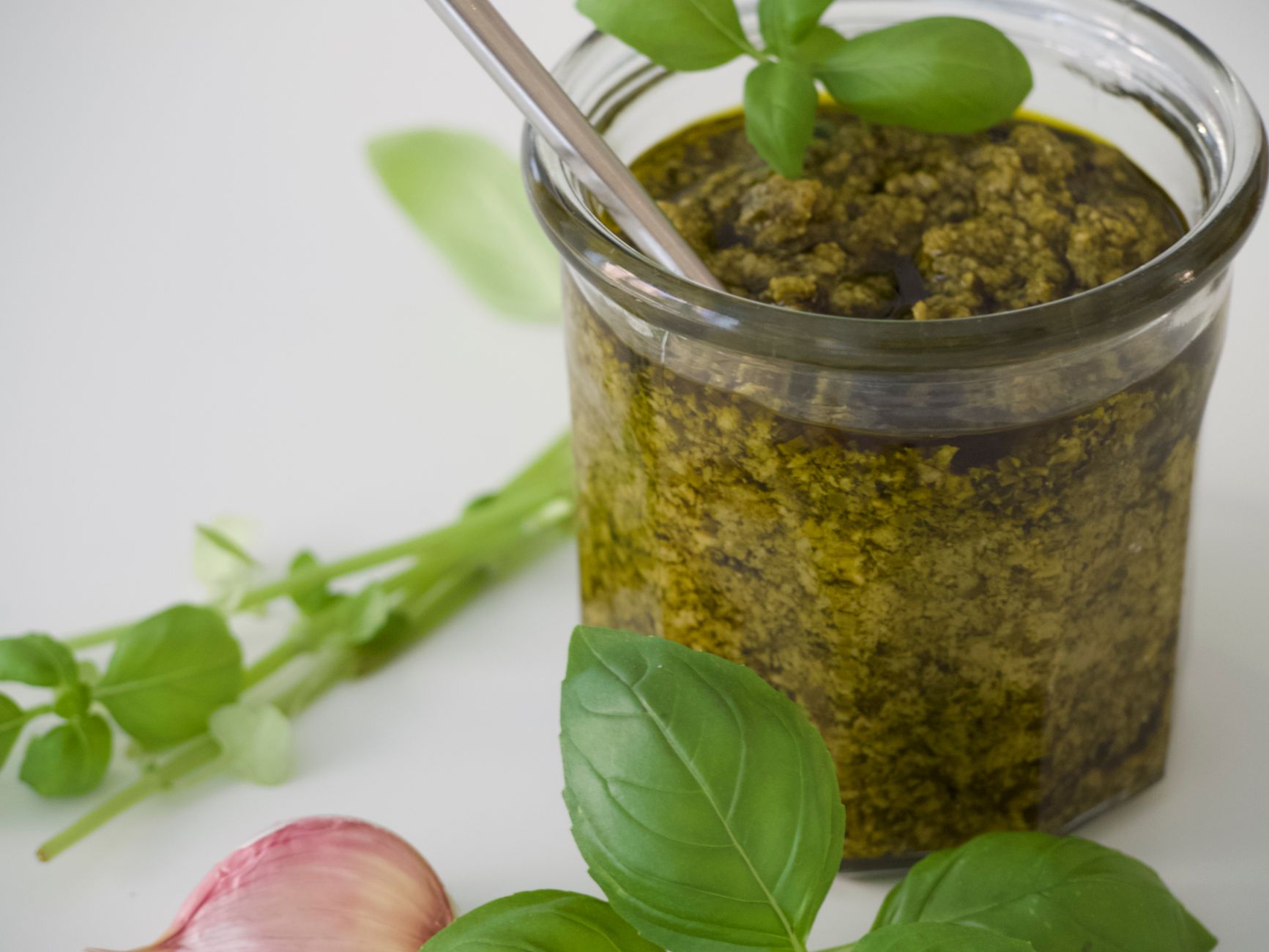
Pesto is a vibrant and aromatic sauce made from fresh basil, pine nuts, Parmesan cheese, garlic, and olive oil. This Italian classic enhances many dishes, from pasta to sandwiches, and even pizzas. However, after you’ve whipped up a batch of fresh pesto, you might wonder how long it will last before you need to toss it.
Knowing how to store your pesto properly not only extends its shelf life but also ensures you can enjoy its fresh flavors for as long as possible. Let’s delve into how long fresh pesto lasts, along with some key storage tips to help you maximize its longevity.
How Long Does Fresh Pesto Last?
Fresh pesto can typically last for about 5 to 7 days when stored in the refrigerator. However, its longevity can vary based on storage methods and ingredient quality. While homemade pesto may last slightly less than store-bought versions that contain preservatives, proper storage can help maintain its flavor and texture for longer.
Factors Affecting the Shelf Life of Fresh Pesto
Several factors can influence how long your fresh pesto stays fresh. Understanding these can help you manage your pesto more effectively.
1. Ingredients
The ingredients used in pesto can significantly affect its shelf life. For example, using fresh basil and high-quality olive oil will not only enhance the flavor but also impact how long it lasts. Pine nuts, cheese, and garlic can also influence freshness. The more processed the ingredients, the longer they may last, but be cautious not to compromise the fresh flavors.
2. Storage Conditions
The way you store your pesto plays a crucial role in determining how long it will last. Here are some storage tips to consider:
- Use Airtight Containers: Keep your pesto in an airtight container to minimize exposure to air, which can lead to oxidation and spoilage.
- Cover with Olive Oil: Adding a thin layer of olive oil on top of the pesto in the container can help create a barrier against oxygen and extend its shelf life.
- Temperature: Always store your pesto in the refrigerator to keep it fresh. Avoid leaving it at room temperature for extended periods.
3. Homemade vs. Store-Bought
Homemade pesto generally has a shorter shelf life than store-bought options, primarily due to the absence of preservatives. While commercial pesto may come with a longer expiration date, remember to check the label for specific storage guidance.
Signs of Spoiled Pesto
Knowing when your fresh pesto has gone bad is essential for food safety. Here are some telltale signs to watch for:
- Discoloration: If the pesto changes from bright green to a brownish hue, it’s a sign of oxidation. While it may still be safe to eat, the flavor will be compromised.
- Off Smells: Fresh pesto has a strong, herbal aroma. If it starts to smell sour or off, it’s time to discard it.
- Mold Growth: Any visible mold indicates spoilage, and it’s best to throw out the pesto immediately.
Storage Tips for Fresh Pesto
To keep your fresh pesto as flavorful and vibrant as possible, follow these practical storage tips:
1. Refrigeration
Store your fresh pesto in the refrigerator. Use a clean, airtight container to minimize air exposure, and place it towards the back of the fridge where the temperature is cooler and more stable.
2. Freezing for Longer Storage
If you want to keep your pesto for an extended period, freezing is an excellent option. It can last up to 6 months in the freezer with minimal loss of flavor. Here’s how to freeze pesto:
- Use Ice Cube Trays: Spoon the fresh pesto into an ice cube tray and freeze until solid. After that, transfer the pesto cubes into a resealable freezer bag for easy portioning.
- Vacuum Seal: For the best preservation, consider using a vacuum sealer. This process removes air from the packaging, which can help prevent freezer burn.
- Label Containers: Make sure to label your containers or bags with the date you made the pesto to keep track of its freshness.
3. Thawing Frozen Pesto
When you’re ready to use your frozen pesto, it’s essential to thaw it correctly. Here are a few methods:
- Overnight in the Fridge: Transfer the amount you need from the freezer to the refrigerator and let it thaw overnight.
- Quick Thaw in Water: Place the sealed bag of pesto in a bowl of cold water for a quick thaw if you’re short on time.
- Use While Frozen: Pesto can also be added directly to hot pasta dishes straight from the freezer. The heat will thaw it quickly and distribute the flavors.
Creative Ways to Use Leftover Pesto
If you find yourself with an abundance of pesto, there are plenty of delicious ways to use it up. Consider these ideas:
- Pasta and Grain Dishes: Toss pesto with your favorite pastas or grains like rice, quinoa, or farro for a flavorful meal.
- Sandwiches and Wraps: Spread pesto on sandwiches or wraps for a burst of flavor.
- Dips and Spreads: Use pesto as a dip for fresh vegetables or as a spread on crackers or bread.
- Salad Dressings: Combine pesto with a little vinegar or lemon juice for a zesty salad dressing.
Common Mistakes to Avoid with Pesto
When making or storing pesto, be mindful of the following common mistakes:
- Ignoring Freshness: Always use fresh ingredients, especially basil. Wilting leaves or old nuts can lead to a less flavorful pesto.
- Over-Puréeing: While blending is key, avoid over-puréeing, which can create a paste rather than a textured sauce. You want to maintain some bite in the nuts and herbs.
- Not Storing Properly: Remember to store your pesto in an airtight container and cover it with a little olive oil to minimize oxidation.
Natural Variations for Pesto
While traditional basil pesto is delicious, consider experimenting with other ingredients for unique flavors:
- Different Herbs: Substitute basil with parsley, cilantro, or arugula for different flavor profiles.
- Nuts: Experiment with walnuts, almonds, or pecans instead of pine nuts for a twist on flavor and texture.
- Cheese Alternatives: To cater to dietary preferences, try using nutritional yeast instead of cheese or vegan Parmesan.
Conclusion
Fresh pesto can be a delightful and versatile addition to your culinary repertoire, but understanding how to store and manage it is crucial for maintaining its freshness. With proper storage techniques, you can enjoy your pesto for up to a week in the fridge or even longer by freezing it. By keeping an eye on signs of spoilage and using it creatively, you’ll maximize its flavor and utility.
If you want to enhance your cooking repertoire further, consider exploring more recipes and tips like our pesto recipe without pine nuts or discover how long cottage cheese lasts after opening. Happy cooking!