
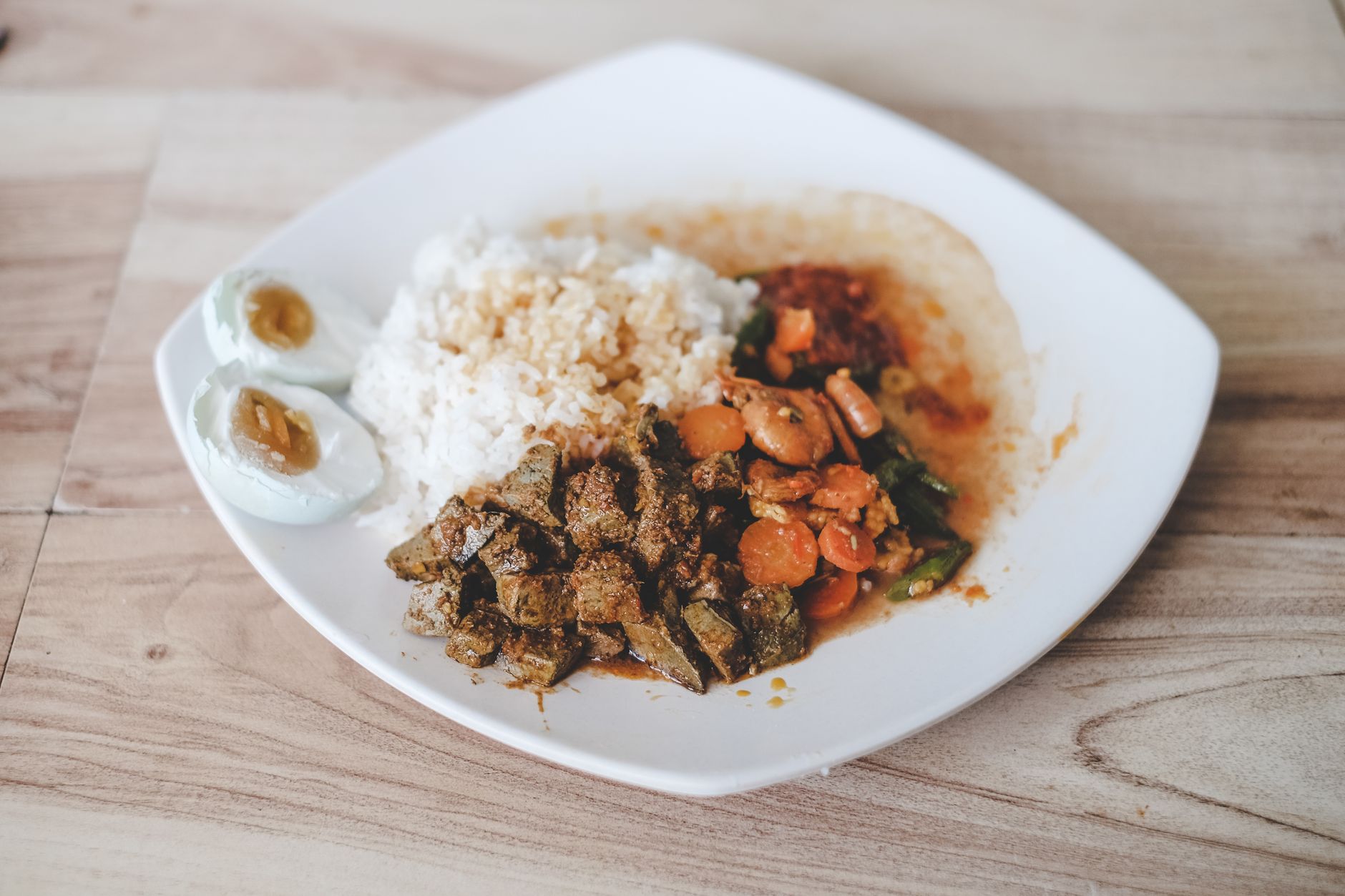
Liver is a nutrient-dense organ meat that has long been valued for its health benefits and culinary versatility. One of the key nutritional aspects frequently highlighted is its iron content, essential for various bodily functions. This article explores the iron levels in liver, its nutritional profile, and how you can enjoy it in your meals.
Understanding whether liver is high in iron will help you make informed dietary choices, especially if you are looking to increase your iron intake or manage specific dietary needs. Below, we will delve into the specifics of liver’s nutritional composition, important serving sizes, and ways to incorporate this powerhouse into your meals.
Is Liver High in Iron?
Yes, liver is exceptionally high in iron. Beef liver, for example, contains roughly 6.1 mg of iron per 3-ounce serving, which is significantly higher than many other food sources. This high iron content makes liver an excellent choice for those looking to boost their iron intake, especially individuals with increased iron needs, such as pregnant women and those with anemia.
Nutritional Profile of Liver
Beyond iron, liver is rich in various vitamins and minerals that contribute to its status as a superfood. Let’s explore the broader nutritional profile of liver, using beef liver as our primary example.
| Nutrient | Amount per 3 oz (85g) serving |
|---|---|
| Calories | 179 |
| Protein | 25 g |
| Fat | 5 g |
| Carbohydrates | 0 g |
| Vitamin A | 9,442 IU |
| Vitamin B12 | 70.7 mcg |
| Folate | 25 mcg |
| Zinc | 4.0 mg |
| Iron | 6.1 mg |
Types of Liver and Their Iron Content
There are various types of liver, including beef, chicken, lamb, and pork. Each type has different nutritional characteristics, including iron content. Here’s a closer look:
- Beef Liver: Approximately 6.1 mg of iron per 3-ounce serving.
- Chicken Liver: Contains around 9.5 mg of iron per 3-ounce serving, making it even richer in iron than beef liver.
- Pork Liver: About 18 mg of iron per 3-ounce serving, which is among the highest of all common liver types.
- Lamb Liver: Slightly lower than pork but still high, with roughly 5.1 mg of iron per 3-ounce serving.
Among these, chicken liver stands out as a nutrient powerhouse, given its high iron content along with other essential vitamins.
Health Benefits of Iron in Liver
Iron is crucial for maintaining optimal health. Here are some of its benefits, particularly in relation to the iron found in liver:
- Prevents Anemia: Iron is vital for producing hemoglobin, a protein in red blood cells that transports oxygen throughout the body. Consuming iron-rich foods like liver can help prevent iron-deficiency anemia.
- Boosts Energy Levels: Adequate iron levels are essential for overall energy; increased oxygen circulation helps reduce fatigue.
- Supports Immune Function: Iron plays a role in immune response, helping the body fight off infections effectively.
Incorporating Liver into Your Diet
Adding liver to your meals can be a delicious way to increase your iron intake. Here are some practical tips and recipes to help you enjoy liver as part of your diet.
Cooking Tips for Liver
Cooking liver properly can enhance its flavor and texture, making it more enjoyable to eat. Consider the following tips:
- Soak Before Cooking: Soaking liver in milk or water for a few hours before cooking can help remove any strong flavors and improve tenderness.
- Cook Quickly: Liver cooks quickly; overcooking can lead to a tough texture. Aim for a medium cook, where the liver is browned on the outside but still slightly pink on the inside.
- Add Flavor: Enhance the flavor of liver by marinating it with herbs, spices, or citrus juices before cooking.
Simple Liver Recipes
Here are two straightforward recipes to get you started with cooking liver:
Pan-Seared Beef Liver
- 8 oz beef liver, cut into slices
- 2 tablespoons olive oil
- 1 teaspoon garlic powder
- Salt and pepper to taste
- Fresh herbs (optional)
- Soak the liver slices in milk for 1-2 hours, then rinse and pat dry.
- Season both sides with garlic powder, salt, and pepper.
- Heat olive oil in a skillet over medium-high heat.
- Once the oil is hot, add the liver slices and cook for about 3-4 minutes on each side until browned but still slightly pink inside.
- Serve with fresh herbs if desired.
Chicken Liver Pâté
- 1 lb chicken liver
- 1 onion, finely chopped
- 4 tablespoons butter
- 1 teaspoon thyme
- Salt and pepper to taste
- 1/4 cup heavy cream
- In a skillet, melt 2 tablespoons of butter over medium heat and sauté the onion until translucent.
- Add the chicken liver and thyme; cook until the liver is no longer pink.
- Remove from heat, let it cool slightly, then transfer to a food processor.
- Add the heavy cream and remaining butter, blending until smooth. Season with salt and pepper.
- Chill in the refrigerator before serving.
Substitutions for Liver in Recipes
If you’re unable to consume liver for dietary or personal reasons, consider the following high-iron alternatives:
- Red Meat: Beef, lamb, or pork all provide significant iron. Ground beef can be used in many recipes calling for liver.
- Legumes: Beans and lentils are plant-based sources of iron. While they contain non-heme iron, they can be a great addition to your diet.
- Nuts and Seeds: Pumpkin seeds, cashews, and almonds offer beneficial iron along with healthy fats and proteins.
- Dark Leafy Greens: Spinach, kale, and Swiss chard are also rich in iron and can be used in salads, smoothies, or cooked dishes.
Common Mistakes When Cooking Liver
Cooking liver can be an enjoyable experience, but there are pitfalls to avoid. Here are some common mistakes and how to troubleshoot them:
- Overcooking: Overcooked liver can become dry and tough. Keep an eye on cooking time, aiming for a slightly pink center.
- Lack of Seasoning: Liver can have a distinct flavor, so season well. Don’t shy away from herbs and spices that can complement its taste.
- Ineffective Soaking: Not soaking liver can result in an overpowering taste. Take the time to soak it in milk or water beforehand.
Storage and Reheating of Cooked Liver
Cooked liver can be stored safely, but it requires proper handling:
- Refrigeration: Store cooked liver in an airtight container in the refrigerator for up to 3 days.
- Freezing: If you need to store it longer, consider freezing; it will last up to 3 months in the freezer.
- Reheating: Reheat in a skillet over low heat or in the microwave, ensuring it reaches an internal temperature of 165°F to ensure safety.
Are There Any Risks or Considerations?
While liver offers significant nutritional benefits, certain considerations should be kept in mind:
- Vitamin A Toxicity: Liver is high in vitamin A, which can be toxic in excessive amounts. Moderation is key, especially for pregnant women.
- Purine Content: Liver is high in purines; those with gout or hyperuricemia should consume it with caution.
Before altering your diet to include more liver, it’s always a good idea to discuss any concerns with a healthcare provider, especially if you have underlying health conditions.
Summary
Liver is indeed high in iron and provides an array of other nutrients that can enhance your health. By incorporating liver into your diet through simple recipes or using it as a base for other meals, you can enjoy its benefits while also exploring its culinary versatility. However, remember to manage portion sizes and consider any personal dietary restrictions or health concerns.
To further enhance your knowledge, explore our resources on foods high in iron and learn about the health benefits of chicken liver. These insights can guide your dietary choices and meal planning effectively.