
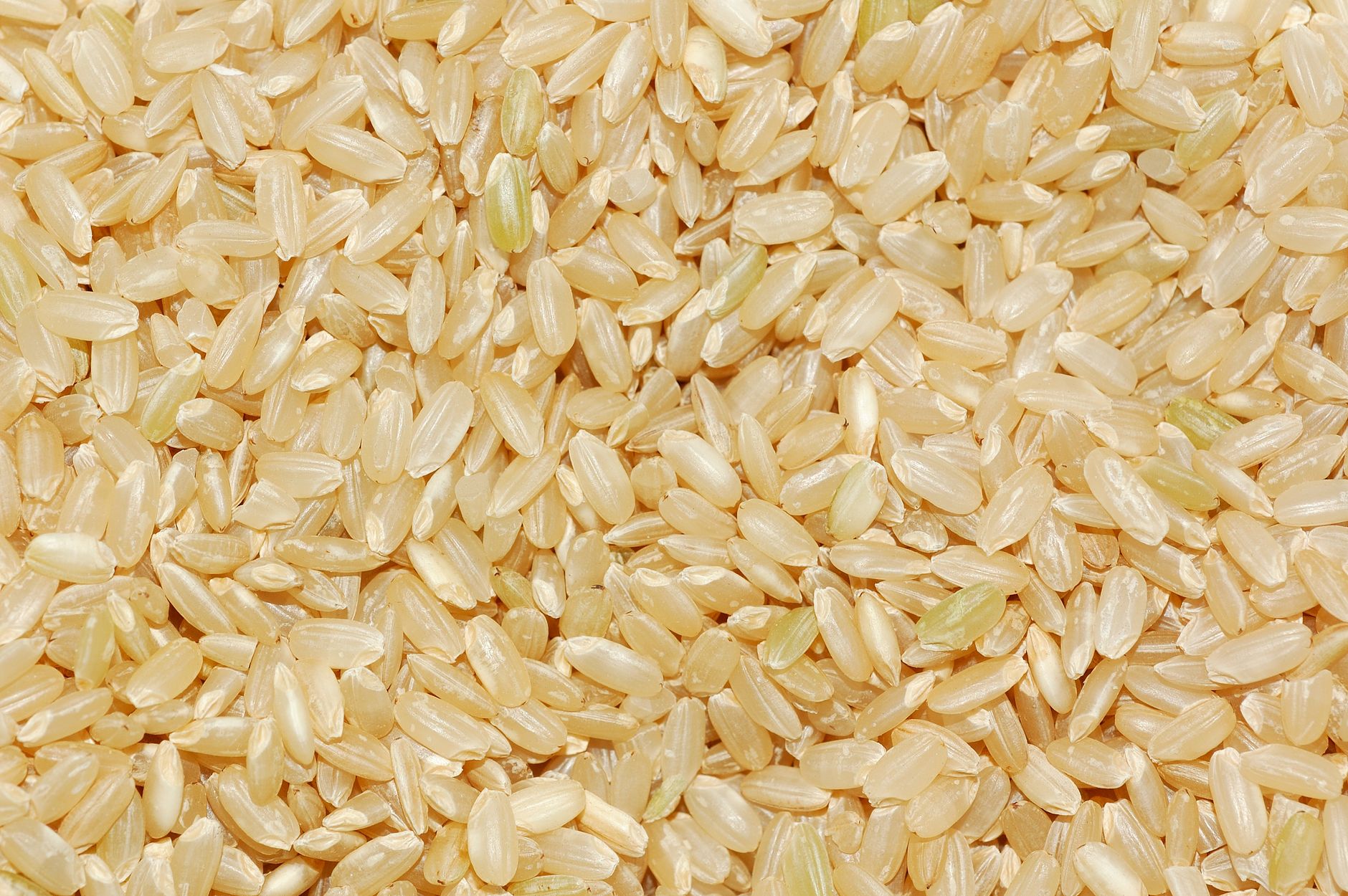
Brown rice, a whole grain that has gained popularity for its nutritional benefits, is commonly used as a staple in various cuisines worldwide. Many people enjoy this versatile grain not just for its mild flavor and chewy texture but also for its health benefits, including higher fiber content and more vitamins compared to white rice. If you’re monitoring your carbohydrate intake, you might be curious about the carbohydrate content of brown rice and how it can fit into your meal plans.
This article will answer the question, “How many carbs are in brown rice?” by breaking down the nutritional profile of this grain, discussing serving sizes, and offering practical tips on how to incorporate brown rice into your diet while being mindful of your carb intake.
How Many Carbs Are in Brown Rice?
Brown rice contains approximately 45 grams of carbohydrates per one cup of cooked brown rice. This serving size typically yields around 215 calories and incorporates essential nutrients such as fiber, protein, and several vitamins and minerals. The precise carbohydrate content may vary slightly based on the specific type of brown rice and how it is cooked.
Nutritional Profile of Brown Rice
Understanding the nutritional composition of brown rice is essential for anyone interested in making informed dietary choices. Let’s dive deeper into its Macros and relevant vitamins and minerals.
Carbohydrates
Carbohydrates in brown rice primarily come from starch, a complex carbohydrate that provides sustained energy. Here’s a breakdown:
- 1 cup cooked brown rice (about 195 grams): ~45 grams carbohydrates
- Fiber per cup: ~3.5 grams
- Net carbohydrates (total carbohydrates minus fiber): ~41.5 grams
Protein and Fat
Brown rice also offers dietary protein and fat, albeit in smaller quantities:
- Protein: ~5 grams per cup
- Fat: ~1.5 grams per cup
Vitamins and Minerals
Brown rice is rich in several vital nutrients, such as:
- Magnesium: important for muscle and nerve function
- Phosphorus: essential for the formation of bones and teeth
- Iron: crucial for the formation of hemoglobin in blood
- Vitamin B6: plays a role in neurotransmitter function
Understanding Serving Sizes
When considering the carbohydrate content of brown rice, it’s important to know what constitutes a serving size. The general recommendation is:
- 1/2 cup of cooked brown rice for a side dish
- 1 cup of cooked brown rice for a main dish
For those watching their carbohydrate intake, being mindful of serving sizes can help maintain balance in your overall diet.
Choosing the Right Brown Rice
Several varieties of brown rice can affect the overall carbohydrate intake. Here are some common types:
Long-Grain Brown Rice
Long-grain brown rice has a firmer texture and remains separate when cooked. It generally has a slightly higher carbohydrate content per serving than short-grain rice.
Short-Grain Brown Rice
Short-grain brown rice is stickier and has a chewier texture. This variety may contain a bit more carbohydrates due to the higher amylopectin content.
Medium-Grain Brown Rice
This type falls somewhere in between long and short-grain varieties, often used in dishes like risotto and paella. Its carbohydrate content is similar to that of both long and short-grain choices.
Cooking Brown Rice
Cooking brown rice can feel daunting, but a consistent method can yield tender and fluffy results. Here’s a straightforward technique you can follow:
Ingredients
- 1 cup brown rice
- 2 1/2 cups water or broth
- 1/2 teaspoon salt (optional)
Essential Equipment
- Medium saucepan with a lid
- Measuring cups
- Stirring spoon
Cooking Instructions
- Rinse the brown rice under cold water to remove excess starch.
- In a medium saucepan, bring water or broth to a boil and add salt if desired.
- Add the rinsed brown rice to the boiling liquid. Stir once to prevent sticking.
- Reduce heat to low, cover, and simmer for about 45 minutes, or until the rice is tender and water is absorbed.
- Once done, remove from heat and let the rice sit, covered, for an additional 10 minutes. This allows it to steam and become fluffier.
- Fluff with a fork and serve.
Common Mistakes When Cooking Brown Rice
While cooking brown rice may seem simple, there are a few common mistakes to avoid:
- Not rinsing the rice: This can lead to a gummy texture.
- Using too much or too little water: This can either result in undercooked or mushy rice.
- Skipping the resting time: Letting the rice rest helps to improve texture significantly.
Substitutions and Variations
If you’re looking to reduce carbohydrates even further, consider these alternatives and variations:
- Quinoa: Quinoa is lower in carbs and has a higher protein content.
- Cauliflower Rice: A popular low-carb substitute for rice, making it ideal for keto diets.
- Barley: Offers a unique texture and slightly fewer carbs, along with additional fiber.
Incorporating Brown Rice into Your Meals
Incorporating brown rice into your meals can enhance your diet and provide nutritious energy. Here are some practical ideas:
Breakfast
- Use brown rice in breakfast bowls topped with vegetables and a poached egg.
- Combine brown rice with almond milk and cinnamon for a warm, hearty breakfast.
Lunch
- Make a brown rice salad with beans, corn, and a tangy dressing.
- Use brown rice as a base for stir-fries, pairing it with your favorite vegetables and protein.
Dinner
- Serve brown rice as a side dish alongside grilled meats or fish.
- Prepare brown rice pilaf incorporating nuts, dried fruits, and herbs for a flavorful side.
Meal Planning with Brown Rice
When planning meals, brown rice can be a versatile component that aligns well with various dietary preferences:
- Batch Cooking: Prepare a large batch of brown rice to have on hand for easy meal prep throughout the week.
- Diverse Dishes: Pair with different proteins and vegetables to create a variety of delicious meals.
Storing Brown Rice
Storing leftover brown rice properly is essential for food safety and maintaining taste and texture:
Cooked Brown Rice
Store cooked brown rice in an airtight container in the refrigerator for up to 4 to 6 days. For longer storage, consider freezing it:
- Spread cooled rice on a baking sheet in a thin layer to freeze individual grains.
- Once frozen, transfer to a freezer-safe container or bag for up to 3 months.
Uncooked Brown Rice
Store uncooked brown rice in a cool, dark, and dry place. Properly stored, it can last for about 6 months to 1 year.
Conclusion
Understanding the carbohydrate content in brown rice helps you make informed dietary choices. At about 45 grams of carbs per cup of cooked rice, this whole grain can be a nutritious addition to meals when consumed in moderation. Whether enjoyed as a side, part of a salad, or in breakfast bowls, brown rice offers versatility and enjoyment while fitting into various dietary needs.
As you explore the world of healthy grains, consider looking into recipes that showcase brown rice, such as our Instant Pot Brown Rice Recipe, or learn about other foods like eggs in our article on the carbohydrate content of eggs.