
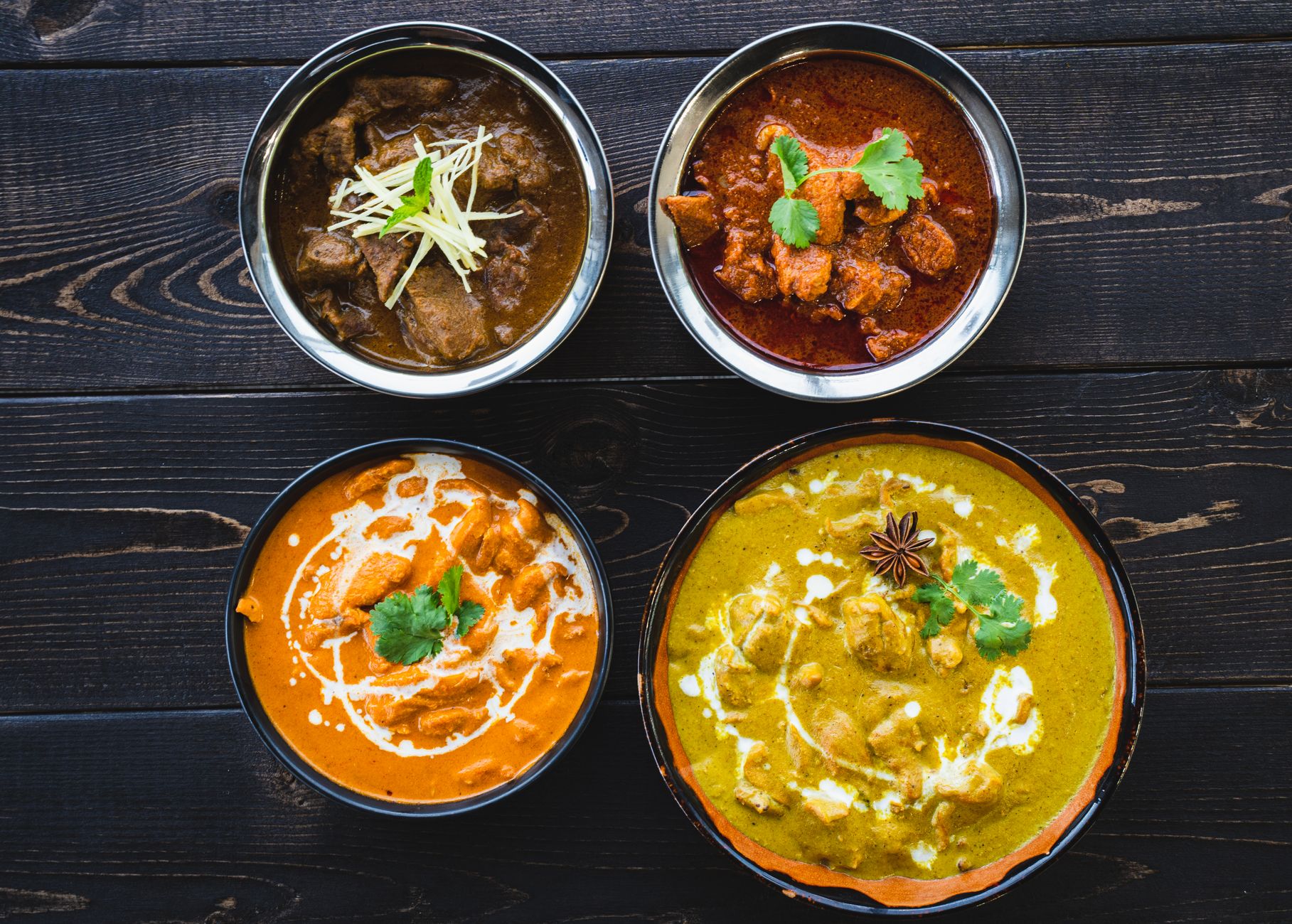
Butter chicken and tikka masala are beloved dishes that showcase the rich and aromatic flavors of Indian cuisine. Although they may appear similar at first glance, there are key differences between the two that are worth exploring. Understanding these differences can help you appreciate the unique identities of each dish and guide you in choosing the right recipe or restaurant dish for your cravings.
This article will delve into the distinctions between butter chicken and tikka masala, shedding light on their ingredients, preparation methods, and flavors. By the end, you will have a clearer understanding of when to enjoy each dish and how to replicate them in your own kitchen.
What Is The Difference Between Butter Chicken And Tikka Masala?
Butter chicken, or murgh makhani, is a dish characterized by its rich, buttery sauce, while tikka masala has a slightly more robust spice profile with a creamier tomato base. The primary difference lies in the preparation methods and the flavor profiles of these two popular Indian dishes.
Key Ingredients
Understanding the key ingredients in both butter chicken and tikka masala helps clarify their unique flavors.
Butter Chicken Ingredients
The standout components of butter chicken include:
- Chicken: Typically, boneless, skinless chicken breasts or thighs are used, marinated in yogurt and spices.
- Butter and Cream: These form the backbone of the rich sauce, providing a velvety texture and indulgent flavor.
- Tomatoes: Often blended to create a smooth base, tomatoes are essential to give butter chicken its signature taste.
- Spices: Common spices in butter chicken include garam masala, cumin, coriander, and fenugreek, which add warmth and complexity.
- Ginger and Garlic: Fresh ginger and garlic are essential for depth of flavor, enhancing the dish’s aromatic profile.
Tikka Masala Ingredients
The ingredients for tikka masala often include:
- Chicken: Similar to butter chicken, boneless chicken pieces are typically used, marinated in yogurt and spices.
- Tomatoes: The sauce is generally more tomato-forward in flavor compared to butter chicken, contributing to its vibrant color.
- Cream or Yogurt: Tikka masala may use yogurt along with cream to achieve a smoother sauce.
- Spices: The spice blend often leans towards paprika, turmeric, and garam masala, providing a smokier flavor profile.
- Onions: Sautéed onions are usually incorporated, adding sweetness and richness to the sauce.
Preparation Techniques
The preparation techniques for each dish also vary significantly, leading to different textures and flavors.
Making Butter Chicken
1. **Marinate the Chicken**: Combine chicken pieces with yogurt, garam masala, cumin, coriander, garlic, ginger, salt, and lemon juice. Let it marinate for at least one hour or overnight for deeper flavor.
2. **Cook the Chicken**: Traditionally, the marinated chicken is grilled or roasted until cooked through.
3. **Prepare the Sauce**: In a large pan, melt butter and sauté ginger and garlic until fragrant. Add pureed tomatoes and simmer, followed by cream and seasonings.
4. **Combine and Serve**: Add the cooked chicken into the sauce, simmer briefly to meld flavors, and serve hot with naan or rice.
Making Tikka Masala
1. **Marinate the Chicken**: Similar to butter chicken, the chicken is marinated in yogurt and spices for a couple of hours to enhance the flavors.
2. **Cook the Chicken**: The chicken is often cooked in a tandoor (clay oven) or grilled for maximum flavor.
3. **Prepare the Sauce**: Sauté onions in oil until golden, then add ginger, garlic, tomatoes, and spices. Simmer until combined and thickened.
4. **Combine and Serve**: Stir in cream or yogurt before adding the chicken pieces, allowing flavors to blend before serving with naan or rice.
Flavor Profiles
The flavor profiles of butter chicken and tikka masala offer distinct experiences.
Butter Chicken Flavor Profile
Butter chicken is known for its rich, creamy, and mildly spiced sauce that is balanced with sweetness from tomatoes and cream. The buttery nature creates a comforting dish that is often enjoyed by those who prefer milder flavors.
Tikka Masala Flavor Profile
Tikka masala, on the other hand, introduces a stronger spice profile, often with a hint of smokiness due to the grilling technique used for the chicken. The tanginess from the yogurt and the acidity from tomatoes contribute to a more vibrant flavor, appealing to those who enjoy more pronounced spices.
Serving Suggestions
Both butter chicken and tikka masala are versatile dishes that can be served in various ways.
Butter Chicken Serving Suggestions
– **With Naan**: The soft, pillowy naan is perfect for scooping up the sauce.
– **Over Rice**: Basmati rice or jeera rice complements the richness of the sauce and absorbs its flavors well.
– **With Roti or Paratha**: These Indian flatbreads can balance the richness of butter chicken while adding texture.
Tikka Masala Serving Suggestions
– **Accompanied by Rice**: Similar to butter chicken, tikka masala pairs beautifully with basmati rice or pulao.
– **With Flatbreads**: Enjoy with naan, roti, or even pita for a delightful meal.
– **As Part of a Thali**: Serving tikka masala in a traditional thali allows for a variety of dishes, complementing its flavors with salads, pickles, and more.
Common Mistakes and Troubleshooting
When cooking butter chicken or tikka masala at home, several common mistakes may arise. Here are some tips to avoid them:
- Overcooking the Chicken: This can lead to dry and tough meat. Always marinate properly and monitor cooking time to ensure juiciness.
- Too Much Spice: When preparing the spice blend, it’s important to balance the spices according to personal preference. Start with less and adjust gradually.
- Skimping on Ingredients: Quality ingredients are crucial. Use fresh spices, high-quality chicken, and good butter for optimal results.
- Not Allowing the Sauce to Simmer: Give the sauce enough time to simmer for the flavors to develop properly. Rushing this step may yield a bland result.
Variations and Substitutions
If you’re looking to modify either dish to suit dietary preferences or ingredient availability, here are some practical variations and substitutions:
For Butter Chicken
– **Substitute for Cream**: Use coconut milk or cashew cream for a dairy-free version.
– **Protein Alternatives**: Swap chicken for paneer, tofu, or veggies for a vegetarian version.
– **Spice Adjustments**: Add more chili powder for heat if desired or skip it for a milder dish.
For Tikka Masala
– **Yogurt Alternatives**: Replace yogurt with vegan yogurt made from coconut or almond milk.
– **Vegetarian Options**: Use chickpeas or mixed vegetables to create a hearty vegetarian tikka masala.
– **Flavor Tweaks**: Incorporate smoked paprika for added smokiness or add peas for a burst of sweetness.
Storage and Reheating Guidance
Proper storage and reheating are essential for maintaining the quality of your dishes.
Storage
– **Refrigeration**: Store both butter chicken and tikka masala in airtight containers in the refrigerator. They can usually be kept for up to 3-4 days.
– **Freezing**: For longer storage, both dishes can be frozen. Ensure they’re cooled completely before transferring to freezer-safe containers. Consume within 2-3 months for best flavor.
Reheating**
– **Microwave**: When reheating in the microwave, do so in intervals to ensure even heating. Stir occasionally.
– **Stovetop**: Reheat gently over low heat in a pan, adding a splash of water or cream to restore creaminess if needed.
Conclusion
Whether you choose to indulge in tangy, mildly spiced butter chicken or opt for the more robust, aromatic tikka masala, both dishes capture the essence of Indian cuisine in unique ways. Understanding the ingredients, preparation methods, and flavor profiles will help you make informed choices when cooking these dishes at home or ordering at a restaurant.
For more culinary inspiration, explore related recipes like how spicy butter chicken can be at this link and try making a rich marsala sauce with this guidance. Looking to spice up your meal plan? Feel free to dive into even more cooking tips and recipes to elevate your kitchen experience.