
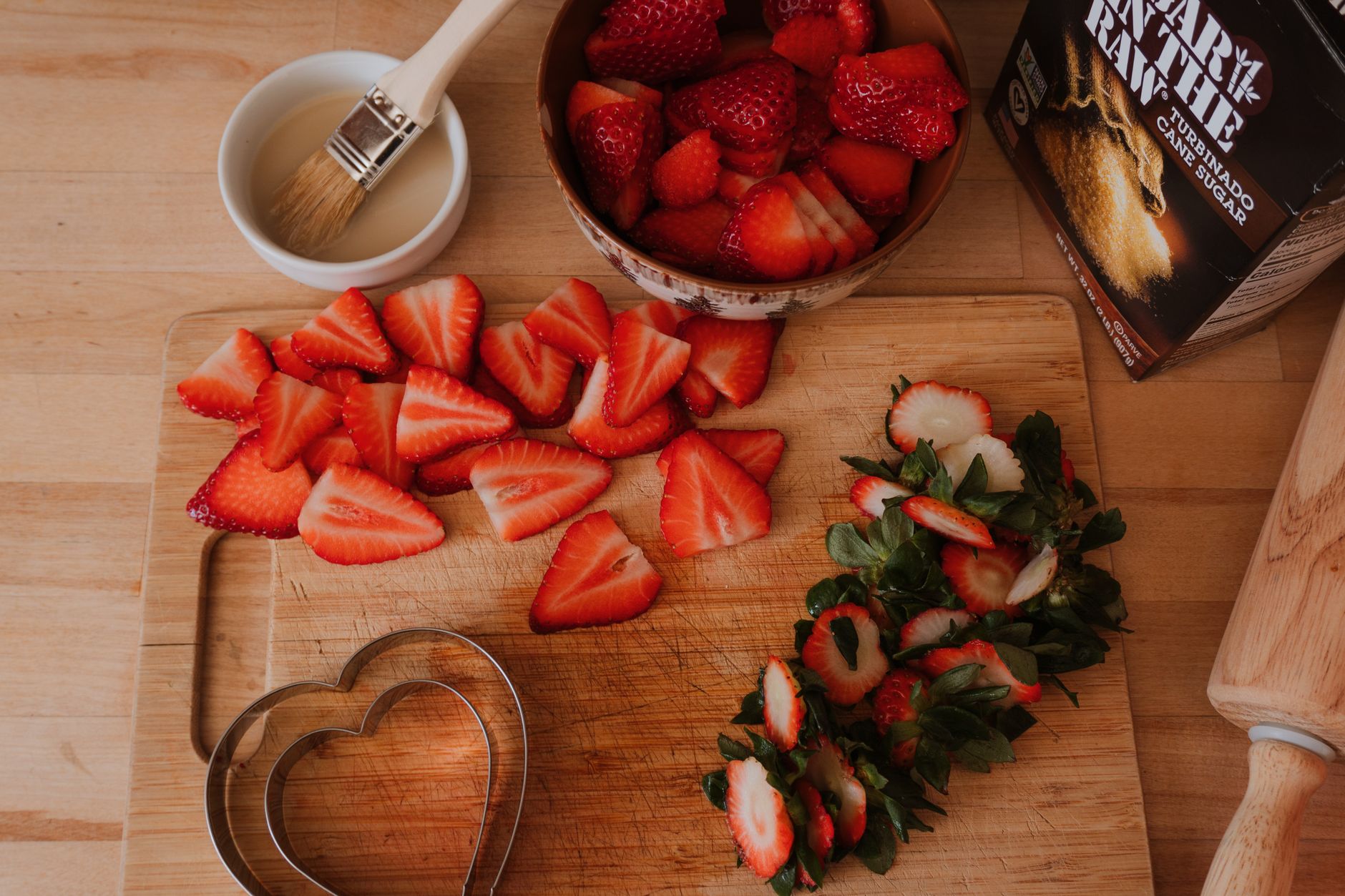
When it comes to sugar, the world is rich with variety, offering a range of flavors and textures that can enhance any dish. Among these are turbinado and demerara sugars, often confused for one another. Both sugars feature a natural brown color and a hint of molasses flavor, but they are distinct in several ways.
This article explores how turbinado sugar and demerara sugar differ, their uses in cooking and baking, and practical tips for incorporating them into your kitchen routine.
Is Turbinado Sugar the Same as Demerara Sugar?
No, turbinado sugar and demerara sugar are not the same, though they share similarities. Turbinado sugar is produced from partially refined sugarcane, retaining some of the natural molasses. Demerara sugar, originating from Guyana, is also minimally processed but has larger crystals and a slightly more complex flavor. Understanding these differences enables better ingredient choices in your culinary endeavors.
What is Turbinado Sugar?
Turbinado sugar is a raw cane sugar that undergoes minimal processing. Its name comes from the turbine process, where the sugar is spun to remove some of the molasses content. This results in larger, golden-brown crystals with a mild caramel-like flavor. Its texture is slightly coarse, making it ideal for applications where a crunchy topping is desired.
Culinary Uses of Turbinado Sugar
Turbinado sugar can be employed in a variety of culinary applications:
- Baking: Often used in recipes for cookies, muffins, and cakes to add a subtle sweetness and texture.
- Toppings: Perfect for sprinkling on top of baked goods before baking, providing a pleasing crunch.
- Sweetening Beverages: Ideal for sweetening coffee and tea, as it dissolves easily while still maintaining some texture.
- Sauces and Glazes: Adds depth to sauces, marinades, or glazes, enhancing both flavor and color.
What is Demerara Sugar?
Demerara sugar is a type of minimally processed cane sugar, named after the Demerara River in Guyana. It has larger crystals than turbinado sugar and a richer, more robust molasses flavor due to its higher retained molasses content. Demerara sugar is often considered closer to raw sugar, imparting a warm, caramel-like sweetness that can significantly impact a dish’s flavor profile.
Culinary Uses of Demerara Sugar
Demerara sugar is versatile and can be used in various ways:
- Baking: Excellent for cookies, scones, and other baked goods where a subtle molasses flavor is desired.
- Topping: Great for sprinkling on top of oatmeal or desserts, providing texture and sweetness.
- Sweetening: Adds an unique flavor when used in beverages, such as cocktails, coffee, or iced teas.
- Cooking: Works well in savory dishes, particularly in glazes for meat or roasted vegetables.
Comparative Analysis: Turbinado vs. Demerara
To better understand their differences, here is a side-by-side comparison of turbinado and demerara sugar:
| Feature | Turbinado Sugar | Demerara Sugar |
|---|---|---|
| Origin | Partially refined cane sugar | Raw cane sugar from Guyana |
| Crystal Size | Medium to large crystals | Large crystals |
| Flavor Profile | Mild, caramel-like flavor | Rich, robust molasses flavor |
| Color | Light golden-brown | Dark golden-brown |
| Uses | Baking, toppings, sweetening | Baking, toppings, savory dishes |
Can They Be Used Interchangeably?
In many instances, turbinado and demerara sugars can be used interchangeably due to their similar textures and flavors. However, it’s important to consider how the differences in flavor and texture might affect your final dish. Here are a few considerations:
- Flavor: If the recipe heavily relies on the sugar’s distinct flavor, such as in shortbread cookies, demerara sugar may be preferable for its more pronounced molasses notes.
- Texture: When texture is a key feature, such as in a streusel topping, turbinado sugar may provide a better crunch.
- Measurement: Both sugars can typically be measured in a one-to-one ratio. However, due to differences in density and moisture content, slight adjustments may enhance the results.
Practical Tips for Working with Turbinado and Demerara Sugar
Here are some practical tips for using turbinado and demerara sugars effectively in your cooking:
- Storing: Keep both sugars in an airtight container to prevent moisture absorption. This will help maintain their texture and prevent clumping.
- Granulation Differences: Be aware that the difference in granulation may affect dissolving time in beverages or recipes that require creaming with butter.
- Flavor Pairing: Turbinado works well in simple, one-note dishes while demerara pairs beautifully with spices and richer flavors.
- Experiment: Don’t hesitate to experiment with the combinations of both sugars in recipes until you find your signature blend.
Common Substitutions and Variations
If you find yourself without turbinado or demerara sugar, several alternatives can be considered:
- Light Brown Sugar: Provides a similar flavor and moisture content due to its molasses content. Use in equal amounts.
- Raw Sugar: Can serve as a direct substitute, though the flavor may vary slightly.
- White Granulated Sugar: While lacking the same depth of flavor, white sugar can be used in a pinch, though it won’t provide the same coloration or slight crunch.
- Coconut Sugar: Offers a similar caramel flavor and can often be substituted in the same proportions for a different twist.
Common Mistakes to Avoid
Using sugars in recipes can be straightforward, but pay attention to these common pitfalls:
- Using the Wrong Sugar: Always refer to the recipe and consider the intended flavors. Substituting without thinking can lead to undesirable results.
- Not Measuring Correctly: Sugar can be compact, especially in older packages. Use a spoon to aerate before measuring or consider weighing for precision.
- Neglecting Dissolution: Ensure that both sugars dissolve properly, particularly in beverages or when creaming. Mixing them thoroughly with other ingredients can prevent gritty textures.
Conclusion
While turbinado and demerara sugars share similarities, they are distinct in flavor, texture, and origin. Understanding these differences can enhance your cooking and baking experiences significantly. Next time you’re in the kitchen, consider the character each sugar brings to your dishes and how you might use their unique qualities to create delightful culinary outcomes.
For those interested in experimenting with different recipes and methods, explore related recipes, cooking tips, and food guides to elevate your culinary skills. Happy cooking!