
Understanding which foods contain gluten is vital for those with gluten sensitivity or celiac disease. Gluten is a protein found in certain grains, and its presence can impact dietary choices significantly. This guide will cover a range of gluten-containing foods, their common uses, and helpful notes on alternatives.
In this article, you’ll find a detailed overview of ingredients containing gluten, meal planning tips, how to read labels effectively, and suggestions for safe gluten-free alternatives. Whether you’re navigating a gluten-free lifestyle or simply looking to broaden your knowledge, this resource will be beneficial.
What Food Have Gluten in Them?
Foods that typically contain gluten are primarily derived from wheat, barley, and rye. These ingredients are common in many everyday products. Here are some of the most prevalent foods to be aware of:
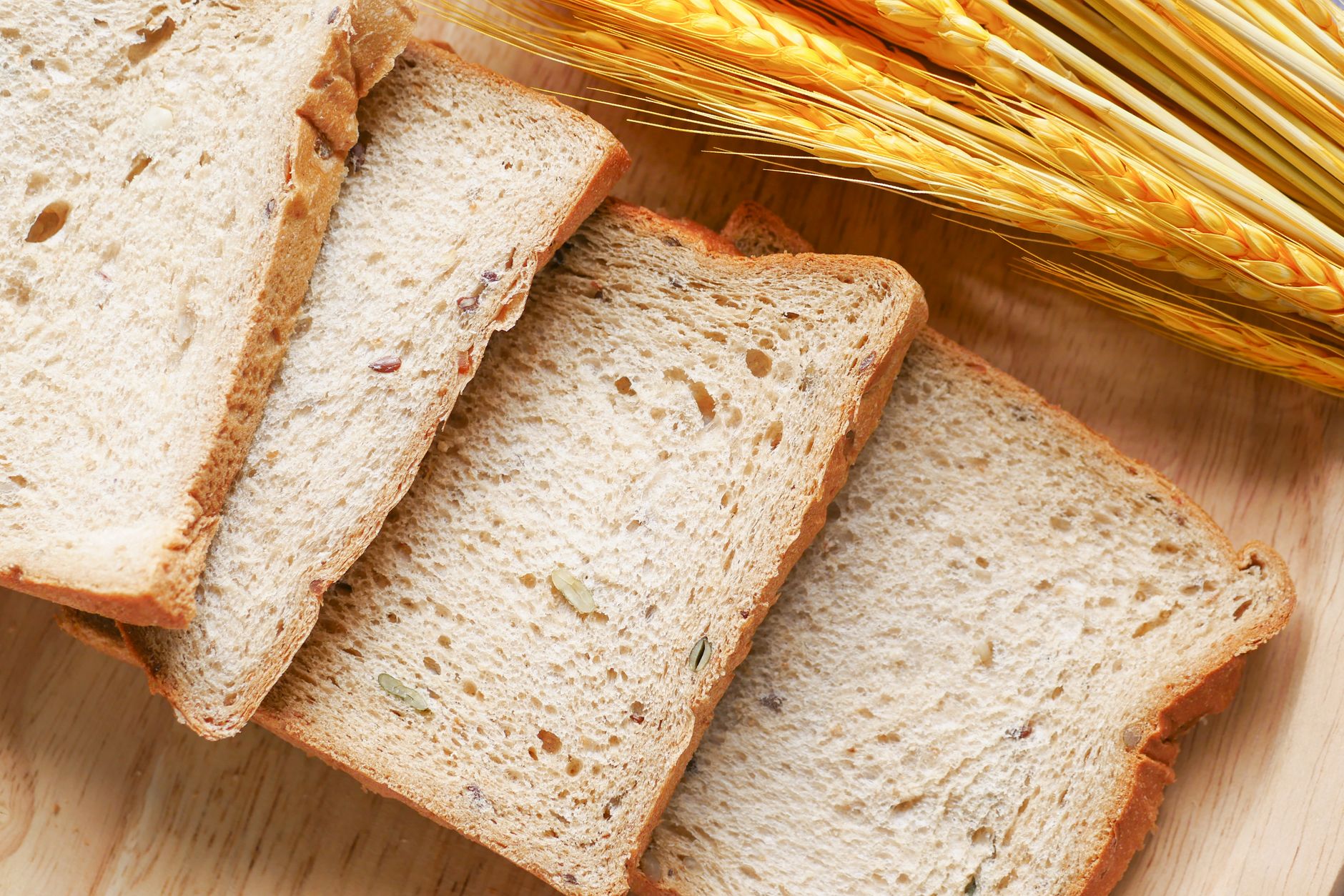
Breads and Baked Goods
- Wheat bread
- Baguettes and rolls
- Pancakes and waffles
- Cookies and pastries
- Bagels
- Crackers
- Cakes and muffins
These baked goods often use wheat flour as a primary ingredient, making them unsuitable for those avoiding gluten. Be cautious with products labeled as “whole grain” or “multigrain,” as they may still contain gluten.
Pasta and Noodles
- Traditional pasta (spaghetti, macaroni, etc.)
- Asian noodles (like wheat-based ramen and soba)
- Lasagna sheets
Many types of pasta rely on wheat flour. Gluten is essential in pasta making for providing elasticity and structure. Fortunately, gluten-free pasta options made from rice, quinoa, or lentils are available.
Cereals and Granola
- Wheat-based cereals (like wheat flakes)
- Granola containing oats and wheat
- Some instant oatmeal products
Many breakfast cereals utilize malt, a byproduct of barley, which contains gluten. Always check labels for gluten content, particularly in granola mixtures and flavored oats.
Processed Foods
- Deli meats and hot dogs (may contain fillers with gluten)
- Vegetarian meat substitutes (often made with wheat gluten)
- Certain sauces (like soy sauce made with wheat)
- BBQ sauce and salad dressings (some may include malt vinegar)
Processed foods can be tricky. Always verify ingredient lists, especially for sauces and dressings, which may contain hidden gluten.
Snacks and Sweets
- Chips flavored with gluten-containing seasonings
- Chocolate bars (some may use malt or wheat flour)
- Certain ice creams (can include gluten in cookie mix-ins)
Snack foods might include gluten as hidden ingredients. Always look for gluten-free labels on snacks to ensure safety.
Alcoholic Beverages
- Beer (most varieties contain barley)
- Whiskey (often made from grains that contain gluten)
While many spirits are gluten-free, beer typically contains gluten. However, there are gluten-free beers brewed from alternative grains, such as sorghum or rice.
Condiments and Sauces
- Soy sauce (often made with wheat)
- Malt vinegar
- Barbecue sauce
Many sauces contain gluten even if they seem benign. Always check for ”gluten-free” labeling.
How to Read Labels for Gluten
Reading food labels is crucial for avoiding gluten. Here are some key tips:
- Look for “gluten-free” on the packaging. This means the product contains less than 20 parts per million of gluten.
- Examine the ingredient list for obvious sources of gluten like wheat, barley, rye, or malt.
- Beware of terms like “modified food starch” or “natural flavor” without specification, as they can sometimes be derived from gluten-containing grains.
Familiarity with gluten-containing grains is essential for effective label reading. Many packaged foods now have gluten-free options and labeling due to increased awareness.
Common Alternatives to Gluten-Containing Foods
If you’re looking to replace gluten-containing foods in your diet, here are some popular alternatives:
Gluten-Free Breads and Baked Goods
- Gluten-free bread made from almond, coconut, or rice flour
- Gluten-free baking mixes are available for cakes, cookies, and more
Gluten-Free Pasta Options
- Rice pasta
- Quinoa pasta
- Lentil or chickpea pasta
Gluten-Free Cereals
- Rice Chex, corn flakes, or gluten-free oats
- Granola made without oats (quinoa or buckwheat-based)
Snacks without Gluten
- Popcorn or rice cakes
- Fruit, nuts, and seeds
- Many brands of gluten-free crackers
Meal Planning for a Gluten-Free Diet
Creating a meal plan can simplify your grocery shopping and cooking while avoiding gluten. Here’s a simple weekly outline:
Weekly Meal Plan Example
| Meal | Food Option |
|---|---|
| Breakfast | Gluten-free oats with fruit |
| Lunch | Quinoa salad with roasted vegetables |
| Dinner | Grilled chicken with brown rice and steamed broccoli |
| Snack | Hummus with carrot sticks |
This meal plan incorporates whole foods that are naturally gluten-free. Be creative with your ingredients to maintain variety!
Common Mistakes and Tips for a Gluten-Free Lifestyle
When adopting a gluten-free lifestyle, avoid these common pitfalls:
- Not reading labels thoroughly: Ingredients can vary between brands.
- Assuming all grains are safe: Some grains, like oats, may be processed with gluten-containing grains.
- Not checking for hidden sources of gluten: Cross-contamination is common in restaurants and mixtures.
Utilizing resources like gluten-free cookbooks or websites can greatly help in understanding how to navigate meals.
Storage Tips for Gluten-Free Foods
Properly storing gluten-free foods is key to maintaining their quality.
- Store gluten-free grains and flours in airtight containers to keep them dry and safe from contamination.
- Keep gluten-free flours in the refrigerator for longer shelf life.
- Label everything to avoid accidental mix-ups.
What to Avoid When Eating Out
Eating out can be challenging for those avoiding gluten. Here are strategies to protect your diet:
- Choose restaurants that offer clear gluten-free options on their menu.
- Communicate your dietary needs with your server.
- Opt for foods that are naturally gluten-free, such as salads (without croutons), grilled meats, or seafood.
Some restaurants have separate preparation areas for gluten-free items to minimize contamination—ask about their practices.
Summary of Key Gluten-Containing Foods
To recap, gluten is found primarily in:
- Wheat
- Barley
- Rye
Familiarizing yourself with these grains will aid in avoiding gluten and help you make informed choices when shopping and dining.
As you embark on or continue your gluten-free journey, be alert and creative with alternatives. Explore related resources for gluten-free meals and don’t hesitate to educate yourself on the nuances of gluten sensitivity or celiac disease management.
For gluten-free recipes, check out these additional resources: gluten-free gnocchi recipe and gluten in potatoes. Happy cooking!