
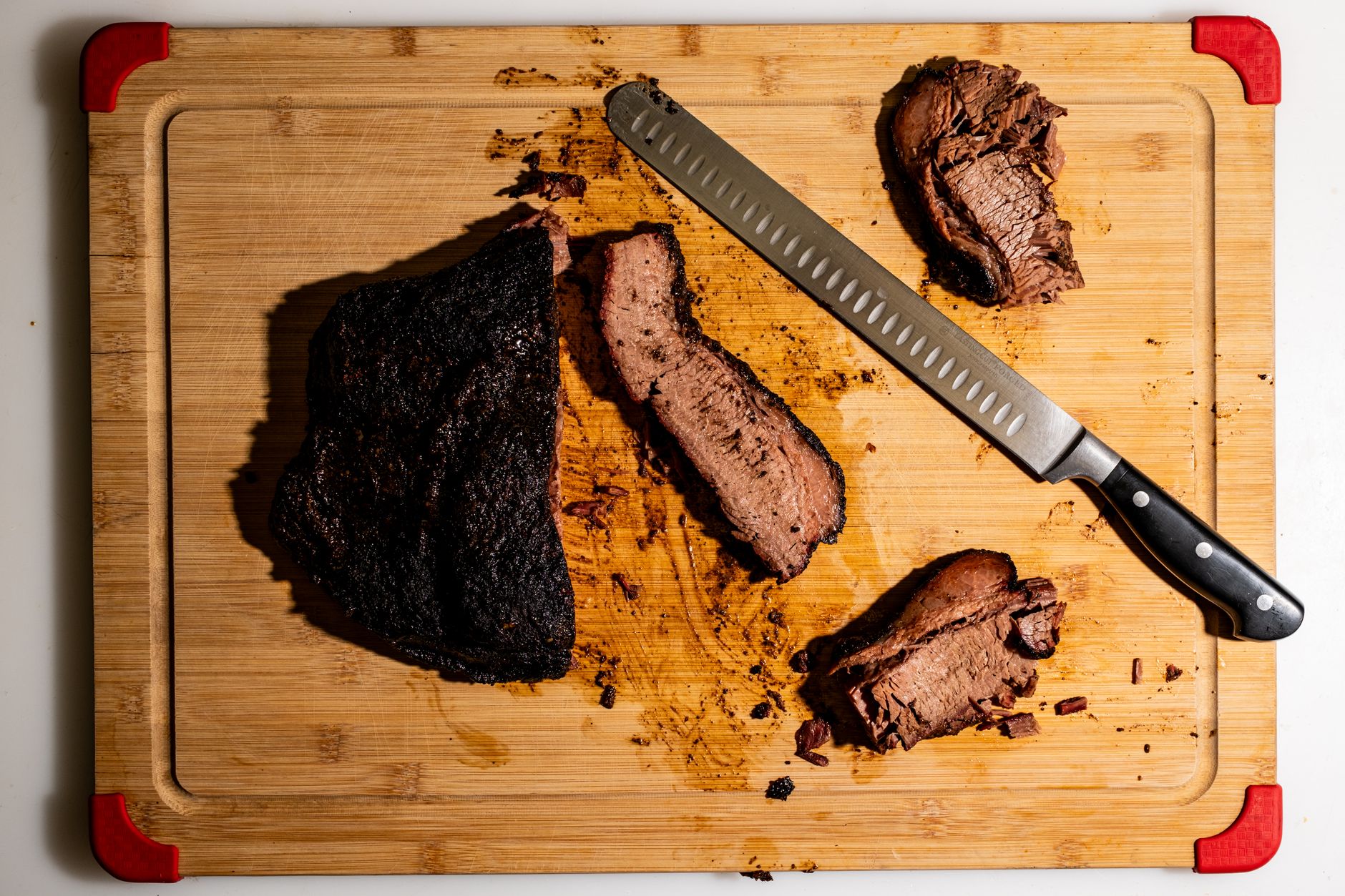
Brisket is a universally beloved cut of beef, often associated with comfort food and slow-cooked meals. Whether smoked, braised, or roasted, brisket offers a rich, buttery flavor and is celebrated for its tenderness when prepared correctly.
This guide will delve into the intricacies of brisket, exploring its cuts, preparation methods, cooking techniques, and serving suggestions to help you make the most of this versatile meat.
What Cut Is a Brisket?
Brisket comes from the lower chest of the cow, specifically from the breast area below the ribcage. This cut is known for its coarse texture and is situated between the foreleg and the rib area, making it a robust piece of meat. Brisket contains a significant amount of connective tissue and fat, which contributes to its rich flavor but requires proper cooking methods to achieve tenderness.
In the meat industry, brisket is categorized into two main parts: the flat and the point. Understanding these subdivisions can enhance your cooking experience and help you choose the right preparation method.
Understanding the Two Main Cuts of Brisket
The Flat Cut
The flat cut, also known as the “first cut,” is the leaner portion of the brisket and has a uniform thickness with a beautiful fat cap on top. This cut is preferred for dishes requiring evenly sliced pieces, such as pastrami or brisket sandwiches. The flat has less marbling compared to the point, making it ideal for those who prefer their beef a bit leaner.
The Point Cut
The point cut, or “second cut,” is the thicker, fattier section of the brisket and has more marbling. This cut results in a juicier, more flavorful product and is often used in recipes that benefit from long cooking times, such as barbecue or pot roast. The extra fat in the point helps to keep the meat moist during cooking, making it perfect for dishes that require shredding or pulling.
How to Prepare Brisket
Preparing brisket involves several steps, from selecting the right cut to marinating or seasoning. Here are some essential tips for the best results:
- Choose Wisely: Look for a well-marbled brisket with a good fat cap. The fat should be white and creamy, indicating freshness.
- Trim Excess Fat: While some fat is necessary for flavor and tenderness, too much can lead to excessive grease during cooking. Trim about 1/4 inch off the fat cap to allow flavors to penetrate the meat.
- Marinate or Brine: For added flavor and moisture, consider marinating the brisket overnight. A simple mix of garlic, herbs, spices, and acid (like vinegar or citrus) can significantly enhance the flavor. Alternatively, a dry rub can be applied.
Cooking Techniques for Brisket
Brisket is known for requiring low and slow cooking methods to fully develop its flavor and tenderness. Here are some popular techniques:
Smoking
Smoking is a favorite method for cooking brisket, especially in American barbecue culture. The process involves cooking the brisket at a low temperature for several hours while exposing it to smoke from wood chips. This method creates a distinct smoky flavor and can take anywhere from 8 to 14 hours, depending on the size of the brisket and the cooking temperature (typically around 225°F to 250°F).
Braising
Braising is another excellent way to cook brisket, particularly if you prefer a more hands-off approach. This method involves searing the brisket in a hot pan to develop a crust and then cooking it slowly in a liquid (such as broth or wine) in a covered pot in the oven. The braising process typically takes about 3 to 4 hours at 300°F, allowing the meat to absorb flavors from the liquid while breaking down the connective tissue.
Roasting
Roasting brisket in the oven is an alternative to smoking or braising. Preheat your oven to around 325°F, season the brisket, and place it in a roasting pan. Cooking time will vary depending on the size, but a rough guide is around 1 to 1.5 hours per pound. Roasting is ideal for those looking for a more traditional meal experience while still achieving a tender end product.
Common Mistakes When Cooking Brisket
While brisket can yield delicious results, certain pitfalls can lead to tough or overly greasy meat. Pay attention to these common mistakes:
- Not Using a Meat Thermometer: Since brisket requires precise cooking temperatures for optimal tenderness, use a meat thermometer to ensure it reaches an internal temperature of around 195°F to 205°F before resting.
- Skipping the Resting Step: After cooking, allow the brisket to rest uncovered for about 30 minutes to an hour. This resting period allows the juices to redistribute, ensuring a juicy final product.
- Not Allowing Time for Flavor Development: Brisket benefits from slow cooking methods. Rushing the process can lead to tough meat, so be patient and allow adequate cooking time.
Serving Brisket
Once your brisket is perfectly cooked and rested, it’s time to slice and serve. Here are some serving suggestions:
- Slice Against the Grain: Brisket has distinct muscle fibers, and slicing against the grain ensures tender pieces. This is particularly important for the flat cut.
- Accompaniments: Consider pairing brisket with classic sides such as coleslaw, baked beans, or cornbread for a satisfying meal.
- Storage Options: Leftover brisket can be stored in an airtight container in the refrigerator for up to 3-4 days, or it can be frozen for longer storage. Reheat gently to prevent drying it out.
Brisket Variations and Cultural Influences
Brisket is celebrated around the world, with each culture contributing its unique preparation style. Here are a few famous variations:
- Texas BBQ Brisket: This American spin emphasizes smoking the meat with oak or pecan wood, often served with a tangy sauce and traditional sides.
- Jewish Brisket: A classic dish for Jewish holidays, oftentimes braised with onions, garlic, and tomatoes, resulting in a flavorful, hearty meal.
- Korean BBQ Brisket (Chadol Baegi): Commonly grilled at the table, this version is sliced thinly and cooked quickly, typically served with rice and dipping sauces.
Conclusion
Brisket is a versatile cut of meat offering rich flavors and satisfying textures when prepared correctly. Whether you’re trying your hand at smoking, braising, or roasting, understanding the characteristics of brisket will help you produce a delicious dish from this beloved cut.
For those looking to expand their culinary repertoire, exploring related meats like short ribs or smoked beef ribs may also be worthwhile. Consider trying your hand at a short rib recipe or a smoked beef ribs recipe for your next meal.
Explore more recipes and cooking tips to enhance your culinary skills!