
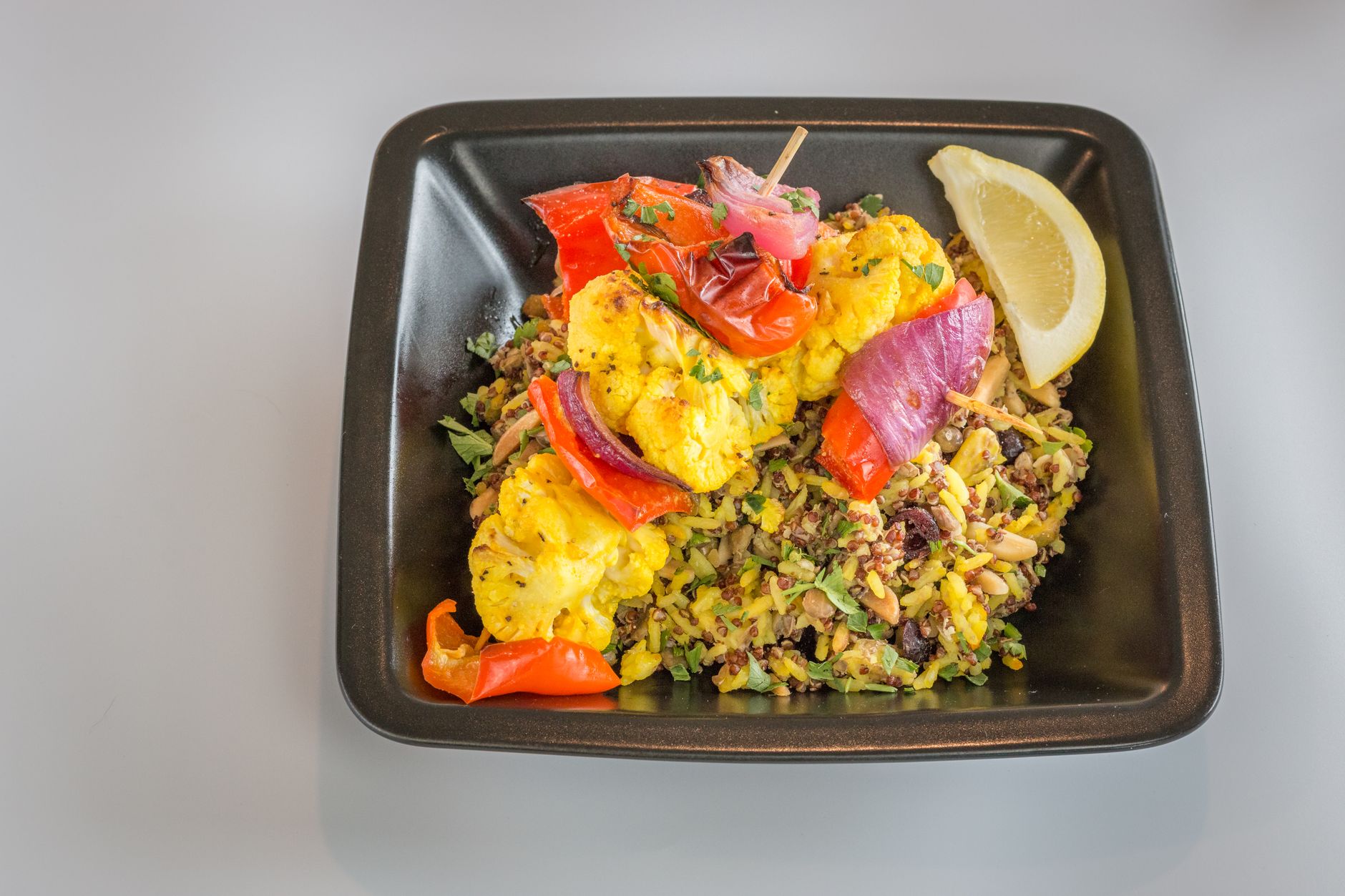
Many people wonder, “Does quinoa taste like rice?” It’s a common question as more individuals seek alternatives to traditional grains. Quinoa, while often compared to rice, has its own unique flavor profile, texture, and culinary versatility.
This article delves into the similarities and differences between quinoa and rice, exploring their flavors, textures, cooking methods, and how to pair them with various dishes.
Does Quinoa Taste Like Rice?
Quinoa does not taste exactly like rice, although it can be a suitable substitute in many recipes. While rice has a mild flavor, quinoa boasts a slightly nutty taste with a unique texture. Cooking techniques also differ, influencing how they absorb flavors and complement other ingredients.
Understanding Quinoa
Quinoa is a seed from the Chenopodium quinoa plant, often classified as a whole grain. It’s a nutrient-dense pseudo-cereal, rich in protein, fiber, and various vitamins and minerals. The versatility of quinoa allows it to be used in various dishes, from salads and bowls to soups and baked goods.
Flavor Profile
Quinoa has a mild, nutty flavor, often described as earthy. While rice serves as a neutral base that absorbs flavors from accompanying elements, quinoa brings its own distinctive taste to the table.
Texture
When cooked, quinoa has a fluffy and slightly chewy texture. The outer germ, or tail, separates from the seed, giving it a crunchy contrast that is different from the smoothness of cooked rice. This texture can add an appealing element to dishes, contributing to mouthfeel and overall enjoyment.
Understanding Rice
Rice, one of the world’s most consumed grains, comes in various types, including white, brown, jasmine, and basmati. Each type has its own distinct characteristics that influence cooking and flavor.
Flavor Profile
Rice is generally bland, which makes it an ideal base for various dishes. It absorbs flavors well, allowing it to enhance the taste of accompanying sauces, proteins, and vegetables. Varieties like jasmine or basmati have unique floral notes, while brown rice offers a slightly grassy flavor due to its bran content.
Texture
The texture of cooked rice varies significantly between types. White rice is soft and sticky, while brown rice is chewier and nuttier. Jasmine rice has a delicate and slightly floral aroma, while basmati is light and fluffy, with each grain remaining separate when cooked.
Cooking Methods
The cooking methods for quinoa and rice differ slightly, which can affect their texture and flavor absorption. Understanding these methods can help you achieve the best results for each grain.
Cooking Quinoa
- Rinse: Before cooking, rinse quinoa under cold water to remove its natural coating, called saponin, which can impart a bitter taste.
- Cook: Combine one part rinsed quinoa with two parts water or broth in a saucepan. Bring to a boil, then reduce heat to low and simmer for about 15 minutes.
- Fluff: Once the quinoa absorbs all the liquid, remove it from heat and let it sit covered for five minutes. Fluff with a fork before serving.
Cooking Rice
- Rinse (if needed): Depending on the type, some rice should be rinsed to remove excess starch or debris.
- Cook: For most types of white rice, use a 1:2 ratio of rice to water. Bring to a boil, reduce heat, and simmer until the water is absorbed (about 18 minutes for white rice and 40-45 minutes for brown rice).
- Rest: Let the rice sit covered for a few minutes before fluffing with a fork.
Pairings for Quinoa and Rice
Both quinoa and rice can serve as excellent bases for a variety of dishes, and they pair well with numerous ingredients. Here are some suggestions for each:
Pairings for Quinoa
- Proteins: Quinoa complements grilled chicken, black beans, tofu, or shrimp. Its nutty flavor enhances the taste of these proteins.
- Vegetables: Roasted vegetables like bell peppers, zucchini, and sweet potatoes pair beautifully with quinoa.
- Herbs and spices: Fresh herbs such as cilantro, parsley, and thyme lift flavors when added to quinoa dishes. Spices like cumin and paprika enhance its path.
- Dressing: A citrus vinaigrette or tahini dressing can add a zesty touch to quinoa salads.
Pairings for Rice
- Proteins: Rice goes well with stir-fried beef, grilled fish, or roasted duck, absorbing the flavors of sauces beautifully.
- Vegetables: Stir-fried vegetables, steamed broccoli, or sautéed spinach complement rice dishes nicely.
- Herbs and spices: Garlic, ginger, and soy sauce can elevate rice-based meals. Explore combinations like saffron for a fragrant pilaf.
- Dressing: Adding soy sauce, teriyaki, or curry sauce can add depth to rice dishes.
Substituting Quinoa for Rice
If considering a dish that traditionally uses rice, using quinoa as an alternative is generally straightforward. However, there are differences to keep in mind.
Cooking Adjustments
When substituting quinoa for rice in recipes, one should factor in cooking times. Quinoa typically cooks faster than white rice. To achieve the right texture, monitor closely and adjust the cooking time as needed.
Flavor Variations
Due to quinoa’s nuttiness, expect slight variations in flavor. For dishes that rely on a specific taste profile from rice, pairing ingredients accordingly will help maintain balance.
Texture Considerations
Quinoa’s fluffiness can enhance some dishes, while its chewy texture might not suit others. Consider the overall desired texture in the final dish when making the switch.
Common Mistakes to Avoid
When preparing quinoa or rice, a few common mistakes can lead to unwanted results. Here are some tips to avoid them:
For Quinoa
- Not rinsing: Skipping the rinsing step can result in a bitter taste. Always rinse quinoa thoroughly before cooking.
- Using too much water: Overcooking quinoa can lead to a mushy texture. Stick to a 1:2 ratio of quinoa to liquid for optimal results.
For Rice
- Incorrect water ratio: Using too much or too little water can alter the texture of rice significantly. Refer to specific cooking instructions based on rice type.
- Skipping the resting phase: Not letting rice rest after cooking can lead to stickiness. Always allow it to sit covered for several minutes.
Meal Planning with Quinoa and Rice
Quinoa and rice can be integral components of an effective meal-planning strategy. Both can serve as versatile bases for various dishes, making them perfect for meal prep.
Batch Cooking
Cooking a large batch of quinoa or rice at the beginning of the week allows for time-saving meal prep. Store cooked grains in airtight containers in the refrigerator for up to a week.
Incorporating into Meals
Planning meals around quinoa or rice can help ensure a balanced diet. Combining different proteins, vegetables, and sauces with these grains creates a variety of delicious options. Consider preparing different flavor profiles throughout the week, such as:
- Mexican Quinoa Bowl: Featuring black beans, corn, avocado, and lime dressing.
- Asian Rice Bowl: With stir-fried tofu, vegetables, and sesame sauce.
- Mediterranean Quinoa Salad: Combining chickpeas, cucumbers, tomatoes, and feta cheese.
Storage Tips
To enjoy quinoa and rice at their best, proper storage is essential.
Storage for Quinoa
- Uncooked quinoa: Store in an airtight container in a cool, dry place. It has a shelf life of about 2-3 years.
- Cooked quinoa: Keep in the refrigerator in an airtight container for up to one week. For longer storage, consider freezing, which can extend its life to several months.
Storage for Rice
- Uncooked rice: Store in a cool, dry place in an airtight container, with a shelf life ranging from 6 months (white rice) to up to a year or more (brown rice).
- Cooked rice: Refrigerate cooked rice in an airtight container for up to a week. For longer preservation, rice can also be frozen.
Conclusion
While quinoa and rice are both nutritious grains, they do not taste identical. Quinoa offers a distinct nutty flavor and chewy texture, providing an excellent alternative to rice in various dishes. Understanding the differences and how to properly cook and pair each grain can enhance your culinary experience.
For your next meal, consider experimenting with quinoa as a rice substitute, using it in a variety of dishes. You may also want to check out our Arborio Rice Recipe or try a delicious Recipe for Rice Pudding for more inspiration!