
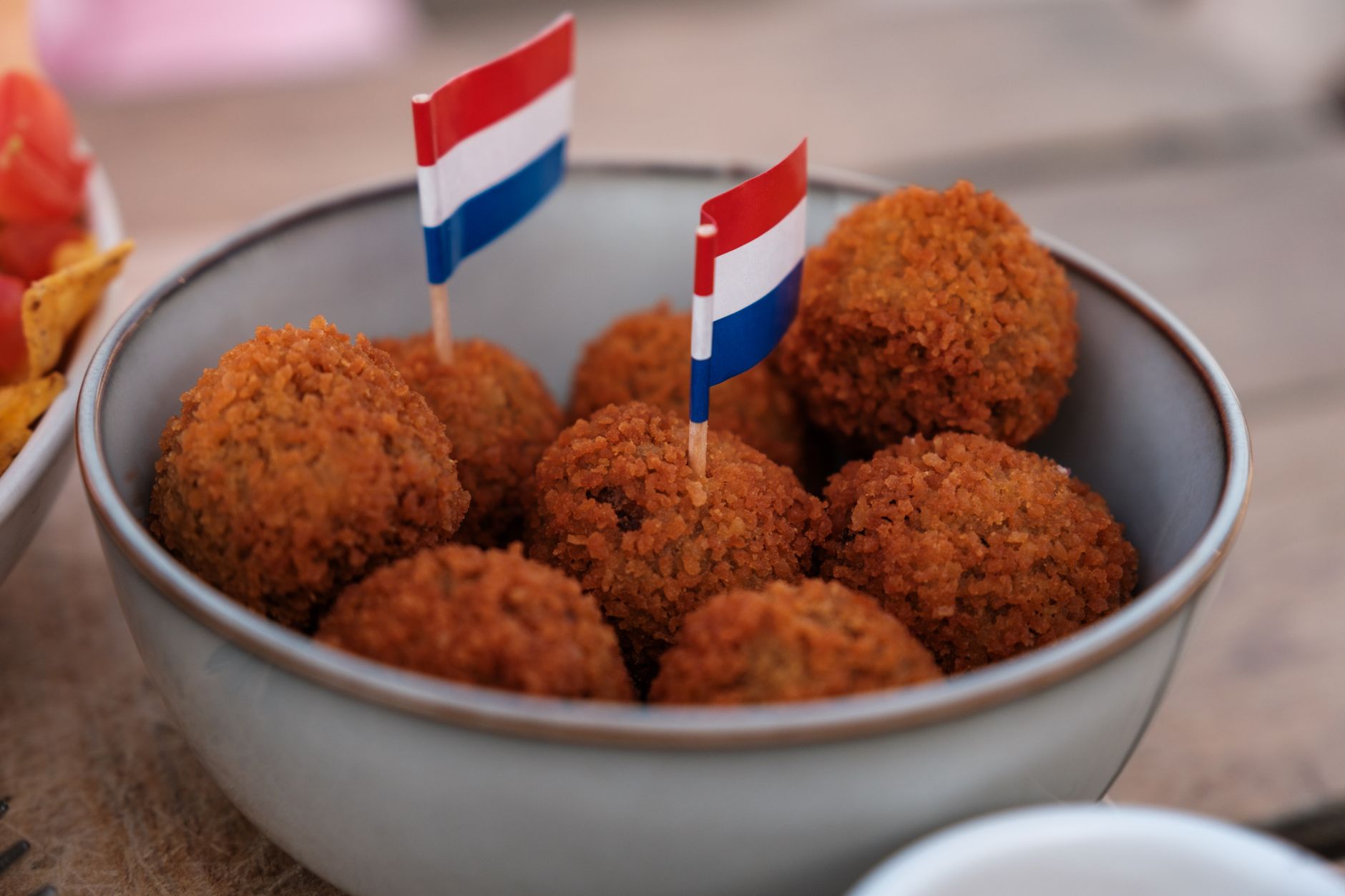
Bitterballen are a traditional Dutch snack that have gained popularity beyond the Netherlands, often served at pubs and during festive occasions. These savory morsels are deep-fried balls filled with a rich, flavorful ragout and are typically enjoyed with mustard.
In this article, we will explore the ingredients used in bitterballen, their taste profile, culinary uses, and how they fit into Dutch culture. Whether you’re looking to recreate this dish at home or simply want to understand it better, this guide will provide you with all the necessary details.
What Is Bitterballen?
Bitterballen are small, round snack balls originating from the Netherlands. They are made with a filling primarily consisting of beef or veal ragout, which is thickened with flour, allowing the filling to hold its shape when fried. The name “bitterballen” stems from the traditional pairing of this snack with bitter (bitter) beverages, especially beer.
Ingredients of Bitterballen
The key to tasty bitterballen lies in its filling and outer coating. Here’s a breakdown of the essential ingredients.
- Meat: Usually made with beef or veal, though some variations might use chicken or even seafood.
- Onions: Finely chopped and sautéed to add sweetness and depth to the filling.
- Butter: Used for sautéing onions and as a base for the roux.
- Flour: Essential for creating the roux that binds the filling.
- Beef or veal stock: Provides moisture and flavor to the filling.
- Spices: A mixture of salt, pepper, and nutmeg for seasoning. Some recipes may also include Worcestershire sauce or mustard for added taste.
- Breadcrumbs: Coated around the outside to create a crisp texture when fried.
- Eggs: Used to help the breadcrumbs adhere to the balls during the frying process.
Taste and Texture of Bitterballen
Bitterballen have a delightful combination of flavors and textures. The outer layer is crispy and golden-brown, providing a satisfying crunch that contrasts with the creamy, savory filling inside. The filling has a rich, meaty flavor accented by spices, with a smooth and somewhat velvety texture due to the roux. They are often served alongside a tangy mustard, which complements their richness and enhances their flavors.
Culinary Uses and Serving Suggestions
Bitterballen are primarily served as a snack or appetizer, especially in social settings, such as bars, parties, and festive gatherings. Here are some ideas on how to enjoy them:
- With Drinks: Traditionally paired with beer, bitterballen make an excellent accompaniment to a range of beverages, from lager to stout.
- On a Platter: Serve as part of a larger tapas or Dutch snack platter, alongside other treats like kaasstengels (cheese sticks) and kroketten (croquettes).
- At Parties: Ideal for serving at home gatherings, where they can be made ahead of time and simply reheated in the oven.
- For Special Occasions: Serve as a festive appetizer during celebrations, providing a taste of Dutch cuisine to your guests.
Making Bitterballen at Home
While bitterballen may seem intricate to prepare, making them at home can be a rewarding experience. Here’s a detailed recipe on how to whip up this delicious Dutch snack.
Yield and Timing
This recipe yields approximately 24 bitterballen, making it perfect for a small gathering.
- Preparation Time: 30 minutes
- Cooking Time: 10 minutes (plus chilling time)
- Total Time: 1 hour (including chilling)
Ingredients List
- 500 g beef or veal, minced
- 1 medium onion, finely chopped
- 50 g butter
- 60 g all-purpose flour
- 500 ml beef or veal stock
- Salt and black pepper, to taste
- 1/2 tsp nutmeg
- 2 tbsp Worcestershire sauce (optional)
- 2 tbsp Dijon mustard (optional)
- Breadcrumbs, for coating
- 2 eggs, beaten
Essential Equipment
- Frying pan
- Large mixing bowl
- Tongs or slotted spoon
- Plates or baking sheets for resting
- Deep frying pot or fryer
- Thermometer (optional, for monitoring oil temperature)
Step-by-Step Method
- In a frying pan, melt the butter over medium heat. Add the chopped onions and sauté until soft and translucent.
- Stir in the minced meat and cook until browned, breaking it apart with a spatula.
- Sprinkle the flour over the meat mixture and stir well to incorporate, cooking for a couple of minutes to form a roux.
- Gradually add the beef or veal stock while continuously stirring until the mixture thickens. It should be the consistency of a thick paste.
- Season the filling with salt, pepper, nutmeg, Worcestershire sauce, and Dijon mustard. Mix well and remove from heat.
- Transfer the filling to a bowl, cover, and refrigerate for at least 30 minutes to allow it to set.
- Once chilled, use your hands to form the filling into small balls (about the size of a golf ball).
- Set up a breading station with the beaten eggs and breadcrumbs on separate plates.
- Dip each ball in the egg mixture, then roll it in the breadcrumbs until fully coated.
- In a deep frying pot, heat oil to 180°C (356°F). Fry the bitterballen in batches for about 3-4 minutes, or until golden brown and crispy. Use a thermometer to ensure proper oil temperature.
- Remove the bitterballen from the oil with a slotted spoon and drain on paper towels.
- Serve hot with mustard for dipping.
Variations and Substitutions
While the classic recipe for bitterballen is beloved, there are several variations and substitutions you can try to customize this snack to your taste.
- Meat Alternatives: Use shredded chicken or turkey for a lighter filling. For a vegetarian version, replace the meat with diced mushrooms or lentils, adjusting cooking times as necessary.
- Spice Up the Flavor: Add different spices such as paprika, cayenne pepper, or herbs like thyme and parsley to enhance the filling.
- Vegan Options: Substitute with plant-based meat and use flaxseed meal mixed with water instead of eggs for breading.
Common Mistakes and Troubleshooting
Making bitterballen may be challenging if you’re not familiar with the process. Here are some common pitfalls and how to avoid them:
- Filling Too Runny: If the filling is too loose, it won’t hold shape. Ensure you use enough flour to create the roux and let the mixture chill thoroughly before forming the balls.
- Inconsistent Frying: Frying at the wrong temperature can lead to soggy or burnt bitterballen. Maintain the oil temperature between 170-180°C (338-356°F).
- Coating Issues: If the breadcrumbs don’t stick, make sure the balls are thoroughly coated in egg before rolling in breadcrumbs.
Storage and Reheating
Leftover bitterballen can be stored in the refrigerator for up to three days. Here’s how to store and reheat them:
- Storage: Place the cooled bitterballen in an airtight container, separating layers with parchment paper to prevent sticking.
- Freezing: To freeze, let the fried bitterballen cool completely, then place them in a single layer on a baking sheet. Once solid, transfer to a freezer bag and store for up to three months.
- Reheating: Ensure they are heated through by baking them in a preheated oven at 180°C (356°F) for about 10-12 minutes. Avoid microwaving, which may result in a soggy texture.
Cultural Significance of Bitterballen
Bitterballen are more than just a snack in the Netherlands; they represent a cherished component of Dutch culture and hospitality. Found in pubs, cafes, and homes alike, they are often featured at gatherings and celebrations as a symbol of conviviality.
The tradition of enjoying bitterballen with drinks has led to their association with social occasions, where they provide the perfect fuel for conversations and laughter.
Conclusion
Understanding what bitterballen are opens a window into Dutch culinary culture. Whether you decide to prepare them at home or enjoy them at a local bar, these delightful snacks embody both flavor and tradition. Get creative with your fillings, and don’t shy away from experimenting with types of meat or spices to customize your bitterballen.
If you enjoyed learning about bitterballen, explore other cooking guides, snack recipes, and culinary insights to expand your culinary repertoire!